Why Culturally Relevant Literature Is Essential for Student Success
How placing culturally relevant literature in students' hands transforms engagement, confidence, and academic success in diverse classrooms.

Why Culturally Relevant Literature Is Essential for Student Success
By Dr. Candice Bryant
For more than 20 years, I have served students in urban public education as a classroom teacher, instructional leader, and assistant principal. Throughout those years, one observation has remained remarkably consistent: students are far more likely to engage with reading when they can see themselves within the pages of a book.
Reading is more than decoding words on a page. It is about making meaning, building identity, and developing a sense of belonging. When students encounter characters who reflect their cultures, experiences, families, communities, and aspirations, reading becomes deeply personal. They are no longer simply consuming a story. They are discovering that their own stories matter.
This belief became one of the driving forces behind my doctoral research, which explored educators' perceptions of implementing culturally responsive practices in urban elementary classrooms. My research reinforced what I had observed throughout my career: when instruction intentionally affirms students' identities, backgrounds, and lived experiences, students are more engaged, more confident, and better positioned to succeed academically and socially.
Although culturally responsive teaching encompasses instructional strategies, classroom relationships, learning environments, and curriculum, one practice has consistently stood out throughout my years as an educator and school leader: the intentional use of culturally relevant literature.
How Culturally Relevant Texts Transform Classrooms
As both a researcher and practitioner, I have witnessed firsthand how culturally relevant texts transform classrooms.
Students who once approached reading with hesitation suddenly become eager participants in discussions. They make authentic text-to-self connections without prompting. They ask deeper questions because the stories feel familiar. They volunteer to read aloud because they recognize themselves in the narrative instead of feeling like outsiders looking in.
Perhaps most importantly, culturally relevant literature builds confidence.
For far too long, many students—particularly those from historically marginalized communities—have navigated classrooms where the books they read rarely reflected their lived experiences. They learned about heroes, inventors, explorers, and families that often looked nothing like their own. While exposure to diverse perspectives remains essential, students also deserve opportunities to see people who share their identities, cultures, and experiences represented in meaningful and affirming ways.
Representation in literature is not about excluding anyone. It is about ensuring every child feels seen while giving all students opportunities to learn about experiences beyond their own. Diverse books create inclusive classrooms where every student's story has value.
Relevance Sparks Curiosity
Research has consistently demonstrated that student engagement increases when learning is relevant. Relevance sparks curiosity. Curiosity nurtures intrinsic motivation. Motivation fuels persistence. Persistence strengthens achievement.
This is especially true in literacy.
When students can relate to a character's language, traditions, family dynamics, neighborhood, or life experiences, reading becomes more than an academic task. It becomes meaningful. Those authentic connections deepen comprehension because students can naturally connect new learning to prior knowledge and personal experiences. As confidence grows, so does a student's willingness to read, participate, ask questions, and think critically.
As educators, we often ask ourselves how to motivate reluctant readers. Sometimes the answer is not asking students to work harder. Sometimes the answer is placing better books in their hands.
That Conviction Ultimately Inspired Me to Become an Author
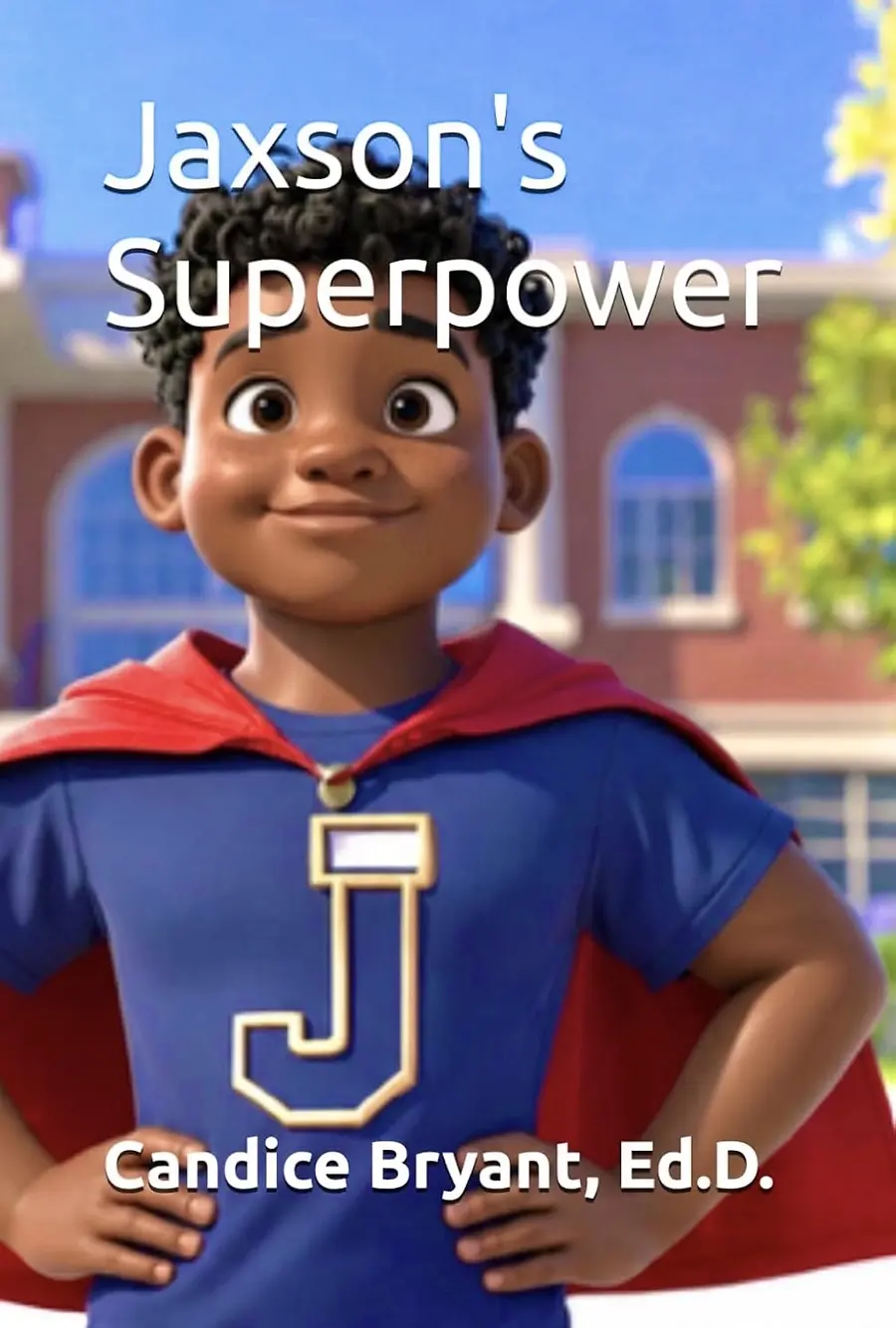
My debut children's novel is not simply the fulfillment of a lifelong dream. It is the culmination of more than two decades of serving children, listening to their voices, studying culturally responsive education, and witnessing firsthand what happens when students encounter stories that reflect their realities while inspiring them to imagine new possibilities.
I intentionally wrote a story that children could genuinely connect with—one that celebrates resilience, curiosity, perseverance, family, and identity while encouraging young readers to recognize their own strengths and limitless potential.
I know what happens when students finally encounter a book that feels like it was written for them. I have watched reluctant readers become enthusiastic readers. I have seen students eagerly recommend books to classmates because they finally found characters who reminded them of themselves.
Those moments reinforce what I have believed throughout my career: representation in literature is not a luxury. It is an educational necessity.
This Work Benefits Every Child
As our classrooms continue to become increasingly diverse, our instructional materials must evolve alongside them. Creating culturally responsive learning environments requires more than acknowledging diversity. It requires intentionally selecting texts that honor the richness of our students' identities while exposing all learners to perspectives beyond their own.
Students who see themselves reflected develop confidence, belonging, and agency. Students who encounter experiences different from their own develop empathy, cultural awareness, and an appreciation for perspectives beyond their own. Both outcomes prepare young people not only for academic success but also for meaningful participation in an increasingly interconnected world.
The future of education requires us to move beyond asking whether culturally relevant literature belongs in our classrooms. The question should be how we ensure every student has regular access to books that affirm their identity while expanding their understanding of others.
Our children deserve stories that inspire them to read, encourage them to dream, and remind them that their voices matter.
After 21 years in urban public education, I remain convinced that the books we place in children's hands shape far more than literacy skills. They shape confidence. They shape identity. They shape possibility.
When students see themselves in the pages of a book, they begin to believe they can write extraordinary stories of their own. And that belief may be one of the most powerful lessons education can ever provide.


