Why High Performing Women are Exhausted
Why Listening to Your Body is the Real Measure of Strength

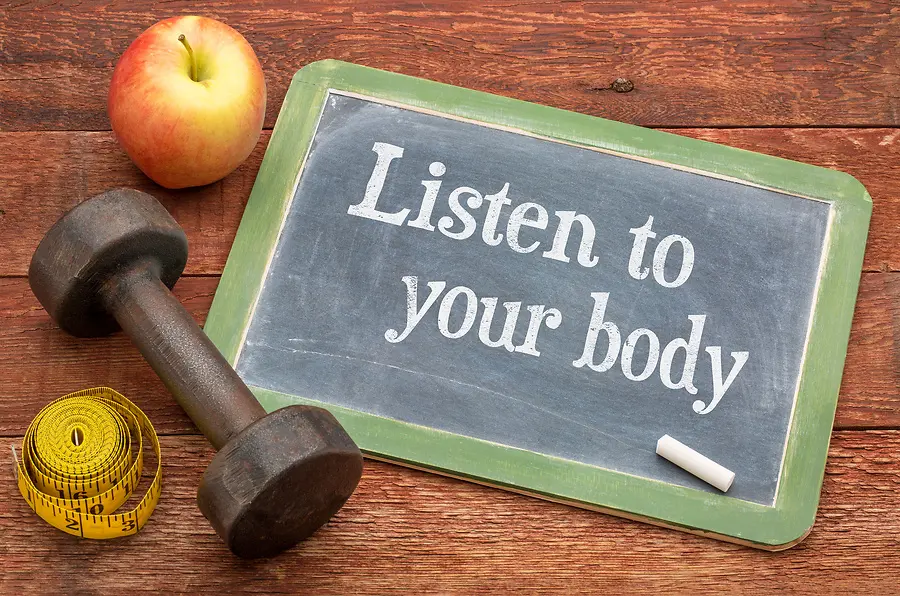
There was a time in my life when I thought being “strong” meant pushing through.
Pushing through exhaustion.
Pushing through stress.
Pushing through anxiety, bloating, brain fog, overwhelm, and the quiet signals my body was sending me every single day.
Like many women, I became incredibly skilled at functioning while disconnected from myself.
I handled responsibilities.
Built businesses.
Raised children.
Showed up for everyone else.
Kept moving.
And from the outside, it probably looked like I was managing life well.
But internally, my nervous system was constantly bracing.
What I have come to realize, both personally and through working with women, is that many high-performing women are not lacking discipline.
They are overloaded.
Modern women are living in a near-constant state of stimulation:
notifications,
multitasking,
mental load,
decision fatigue,
pressure to achieve,
pressure to maintain,
pressure to keep proving themselves.
And eventually, the body responds.
Not because it is weak.
Not because it is failing.
But because it is communicating.
The problem is that many women, myself included, were conditioned to interpret those signals as inconvenience instead of intelligence.
I felt the bloating.
The brain fog.
The fatigue.
The anxiety.
And like so many women, I immediately went into “fix it” mode.
I searched externally for answers.
Read every article.
Tried the supplements.
Followed the plans.
Filtered through endless wellness advice telling me what I should be doing.
Instead of slowing down long enough to listen, I doubled down.
Another supplement.
Another routine.
Another attempt to “fix” myself.
But the nervous system does not heal through force.
The body responds differently when it feels safe.
That realization changed everything for me.
Through my own journey, and now as an Ayurvedic Practitioner, I spend far less time teaching women how to control their bodies and far more time teaching them how to support them.
Because healing is rarely about doing more.
It is often about creating the conditions that allow the body to soften enough to function the way it was designed to.
And if you ask many high-performing women whether they are stressed, most will not immediately say yes.
They will say:
“I’m just busy.”
“I have a lot on my plate.”
“This is just a demanding season.”
“I’m fine, just tired.”
Because many women were taught that pushing through is normal.
That success requires self-sacrifice.
That being capable means carrying everything without slowing down.
So we override our bodies for so long that dysregulation starts feeling normal.
The tension.
The rushing.
The overthinking.
The fatigue.
The constant mental load.
It becomes our baseline.
So how do we begin creating the conditions that allow the body to heal?
We begin with awareness.
We listen to the body with more kindness and less criticism.
Instead of asking:
“What is wrong with me?”
we begin asking:
“What is my body trying to tell me?”
We create safety through awareness and by giving the body something supportive and consistent to respond to.
Simple things begin to matter:
consistent meals,
slower mornings,
breathing before eating,
rest before exhaustion,
less overstimulation,
more rhythm,
more presence,
more awareness.
Not because these are trendy wellness rituals, but because the nervous system responds to consistency and safety.
And that is something many ambitious women have quietly lost connection with.
We live in a culture that rewards overfunctioning.
Women are praised for how much they can carry, tolerate, and push through.
But there is a cost to constantly overriding ourselves.
The body keeps score.
I think many women today do not necessarily need more information.
They need permission to stop treating themselves like a project that constantly needs fixing.
They need a way to come back to themselves.
To rebuild trust with their bodies.
To recognize that symptoms are often communication, not punishment.
To understand that healing is not a war against the body — it is a relationship with it.
And maybe true strength is not found in how hard we can push.
Maybe it is found in how deeply we can listen.
Because the women I see healing most sustainably are not the ones forcing the hardest.
They are the ones learning how to soften, support themselves consistently, and return to their bodies with awareness instead of criticism.
Not perfectly.
But intentionally.
And in today’s world, that may be one of the most powerful things a woman can do.


