Why Is It So Hard to Let Go?
Why Releasing What Matters Is Not Weakness, But Growth

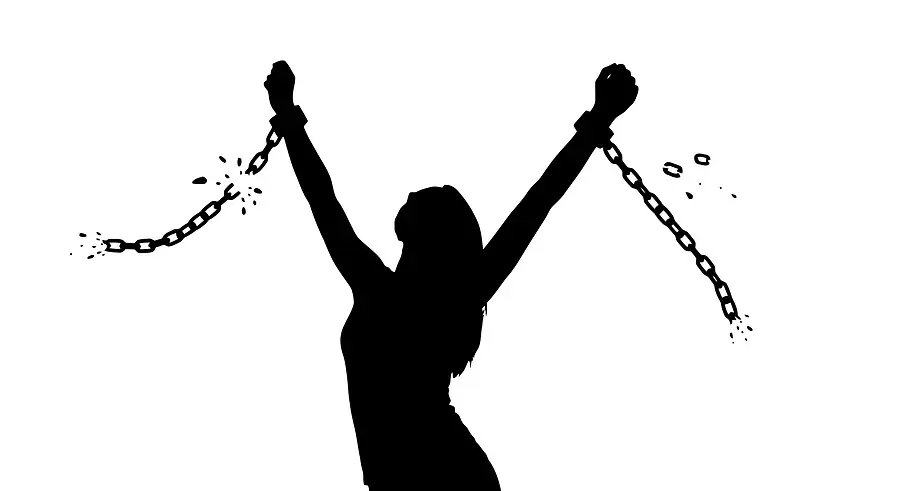
Few things sound simpler than letting go.
The advice is everywhere. Let it go. Move on. Turn the page. Start over. People often say these things as though releasing something painful is a simple decision, as though healing is merely a matter of choosing not to think about what happened anymore.
Yet anyone who has ever tried to let go of something that truly mattered knows it is rarely that simple.
Because we are not usually letting go of objects. We are letting go of people.
- Dreams.
- Expectations.
- Memories.
- Promises.
- Possibilities.
We are letting go of pieces of a life we thought would continue, and that is what makes the process so difficult.
Most people do not struggle to let go because they are weak.
They struggle because something mattered.
- The relationship mattered.
- The dream mattered.
- The opportunity mattered.
- The future they imagined mattered.
When something carries emotional significance, it becomes woven into the story we tell ourselves about our lives. It influences our decisions, shapes our expectations, and often becomes part of how we understand who we are and where we are headed.
That is why loss can feel so disorienting.
When something important disappears, we are not simply losing the thing itself. We are losing the future attached to it.
The relationship that ended was not just a relationship. It was a vision of what life might become.
The opportunity that disappeared was not just a job, a promotion, or a dream. It was a doorway to a future we had already begun imagining.
The season that ended was not simply a period of time. It was a chapter of life we believed would last longer.
And when those things change or disappear, a part of us struggles to accept that the story has changed as well.
Perhaps that is why letting go often feels less like a decision and more like a process.
- We revisit old conversations.
- We replay old memories.
- We imagine different outcomes.
- We wonder what would have happened if we had chosen differently, spoken differently, or acted differently.
Part of us hopes that if we think about it long enough, we can somehow rewrite the ending.
But life does not work that way.
The past remains the past, no matter how often we revisit it.
And while reflection can be healthy, there comes a point when holding on stops helping us remember and starts preventing us from moving forward.
That is where many people become stuck. Not because they want to stay stuck. But because letting go can feel frightening.
- If I release this dream, what will replace it?
- If I stop hoping for what used to be, what comes next?
- If I let go of this person, this expectation, or this version of my life, who will I become without it?
Those are difficult questions because they touch something deeper than loss. They touch identity.
Sometimes we hold on to things long after they are gone because we have connected them to our sense of self. We convince ourselves that releasing them means losing a part of who we are.
Yet healing often begins when we realize that letting go and forgetting are not the same thing.
Letting go does not mean pretending something never mattered.
It does not mean denying the love, the significance, the memories, or the impact.
It does not require us to erase the experience from our lives.
Instead, letting go means accepting that something can remain important without continuing to control our future.
That realization changes everything.
Because many people delay healing while waiting for the pain to disappear completely. They assume that once they stop caring, they will finally be able to move forward.
But healing rarely works that way.
- Sometimes we move forward while still caring.
- Sometimes we release what we cannot keep while still appreciating what it gave us.
- Sometimes we acknowledge the loss without allowing the loss to define the rest of our story.
That is not weakness. That is growth.
One of the most difficult truths about life is that not everything is meant to stay.
Some relationships are seasonal. Some opportunities exist for a specific chapter. Some dreams evolve into something different than we originally imagined.
At first, this reality can feel unfair.
Why give us something meaningful only to take it away? Why allow us to care deeply about something that will not last?
The answer may be that value is not determined by permanence.
Some of the most meaningful experiences in life are meaningful precisely because they changed us, even if they did not remain with us forever.
- A teacher may influence a student for a single year and leave a lifelong impact.
- A friendship may shape an entire season of life without lasting forever.
- A dream may lead us to discoveries we never would have made otherwise, even if the dream itself changes form.
The fact that something ended does not mean it failed. Nor does it mean it lacked purpose.
- Sometimes its purpose was fulfilled.
- Sometimes its lesson was learned.
- Sometimes its chapter simply came to a close.
Accepting that reality is rarely easy, but it allows us to stop fighting battles against things we cannot change. It frees us to appreciate what was instead of constantly mourning what is no longer possible.
Perhaps that is the hidden gift of letting go.
Not that it erases the pain. Not that it removes every question. Not that it instantly heals every wound.
But that it creates space.
- Space for new experiences.
- Space for new relationships.
- Space for new opportunities.
- Space for healing.
- Space for growth.
- And space for a future that cannot arrive while our hands remain tightly closed around the past.
One day, you may look back and realize that the thing you struggled most to release was preparing you for something you could not yet see. You may discover that what felt like an ending was actually a transition, and what felt like loss was making room for growth that could not have happened otherwise.
Or perhaps you will simply recognize that you survived something you once thought would break you.
That realization matters.
Because strength is not measured by how tightly we hold on. Sometimes strength is measured by our willingness to release what we can no longer carry.
So if you are struggling to let go of something today, be patient with yourself.
- Do not rush the process.
- Do not judge the grief.
- Do not mistake healing for forgetting.
- Honor what mattered.
- Appreciate what was.
- Learn what it taught you.
And then, when the time comes, give yourself permission to release it.
Not because it was unimportant. Not because it did not change you. And certainly not because it never mattered.
But because your future deserves room to arrive.
And sometimes the next chapter begins the moment we finally loosen our grip on the last one.


