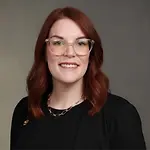
Women, Diplomacy, and Leadership: The Power of Representation By Nelly Tiehi
Women's Leadership and Representation: A Journey Toward Inclusive Governance and Institutional Transformation

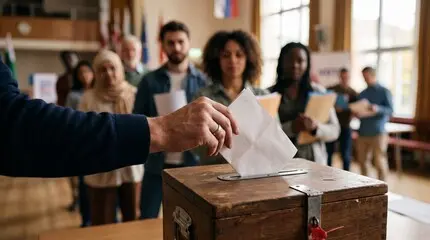
My commitment to women's rights and their inclusion in political and diplomatic decision-making is deeply rooted in my journey, my values, and the women who have inspired me.
Among them are Mrs. Oumou Daou-Koumoue, Mrs. Dominique Ouattara, First Lady of Côte d'Ivoire, Sahle-Work Zewde, former President of Ethiopia, Mrs. Minga, and H.E. Ambassador Danielle Sery. Their journeys have strengthened my belief that women must not simply be present where decisions are made; they must also have the opportunity to influence those decisions and shape the future of their societies.
From the social engagement of Mrs. Dominique Ouattara to the diplomatic experience of Sahle-Work Zewde and the contributions of women serving in diplomacy, these examples remind me that leadership takes many forms, but its impact can extend across generations.
As an Ivorian young woman pursuing a path in international relations and engaging with the diplomatic environment of the United Nations, I see women's representation not merely as a matter of equality but as a question of justice, institutional progress, and inclusive governance.
Despite important advances in women's rights, significant barriers remain to women's full participation in political and diplomatic leadership. Addressing these challenges requires more than commitments on paper. It demands access to education, mentorship, professional opportunities, and decision-making spaces where women's voices are heard and their contributions recognized.
My ambition is to contribute to this transformation by advocating for women's rights, encouraging young African women to pursue leadership, and helping build bridges between emerging female leaders and the institutions that shape our collective future.
I believe that representation opens doors, but meaningful participation creates change. The true measure of progress is not simply how many women reach positions of responsibility, but how effectively they can contribute, influence decisions, and open pathways for the generations that follow. For me, empowering women is not simply about changing who occupies positions of power. It is about transforming how power is exercised, whose voices are heard, and what becomes possible for future generations.