Women representation in the workforce, literacy and empowerment in 2025
A global snapshot of women's progress, persistent gaps, and what structural change truly requires across six continents in 2025.

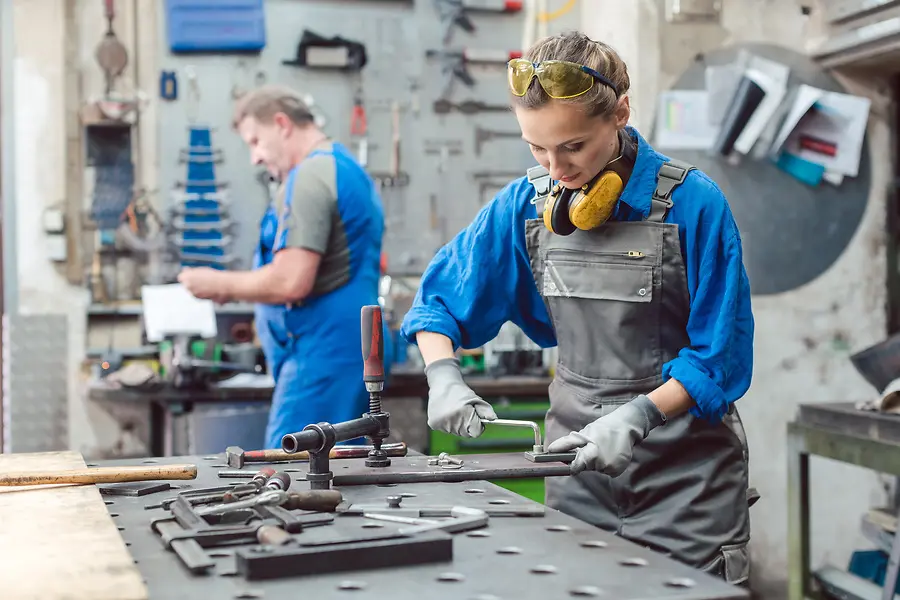
Women’s representation in the workforce, literacy, and empowerment in 2025 reveals a world of progress — but also persistent structural inequality. Looking at representative countries across continents makes the contrasts clearer and more grounded.
Women in the Workforce Across Continents (2025)
🇨🇳 China & 🇮🇳 India (Asia)

4
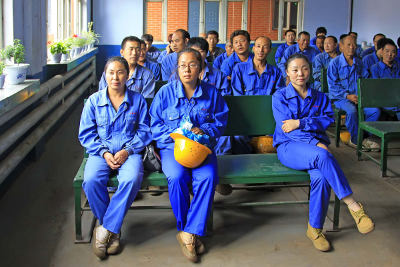
In Asia, China maintains relatively high female labour force participation, shaped by decades of state-driven industrialisation and a cultural legacy of women’s employment. Urban women are visible in manufacturing, services, and increasingly in professional sectors. However, rural–urban divides and pressures around motherhood still affect career continuity.
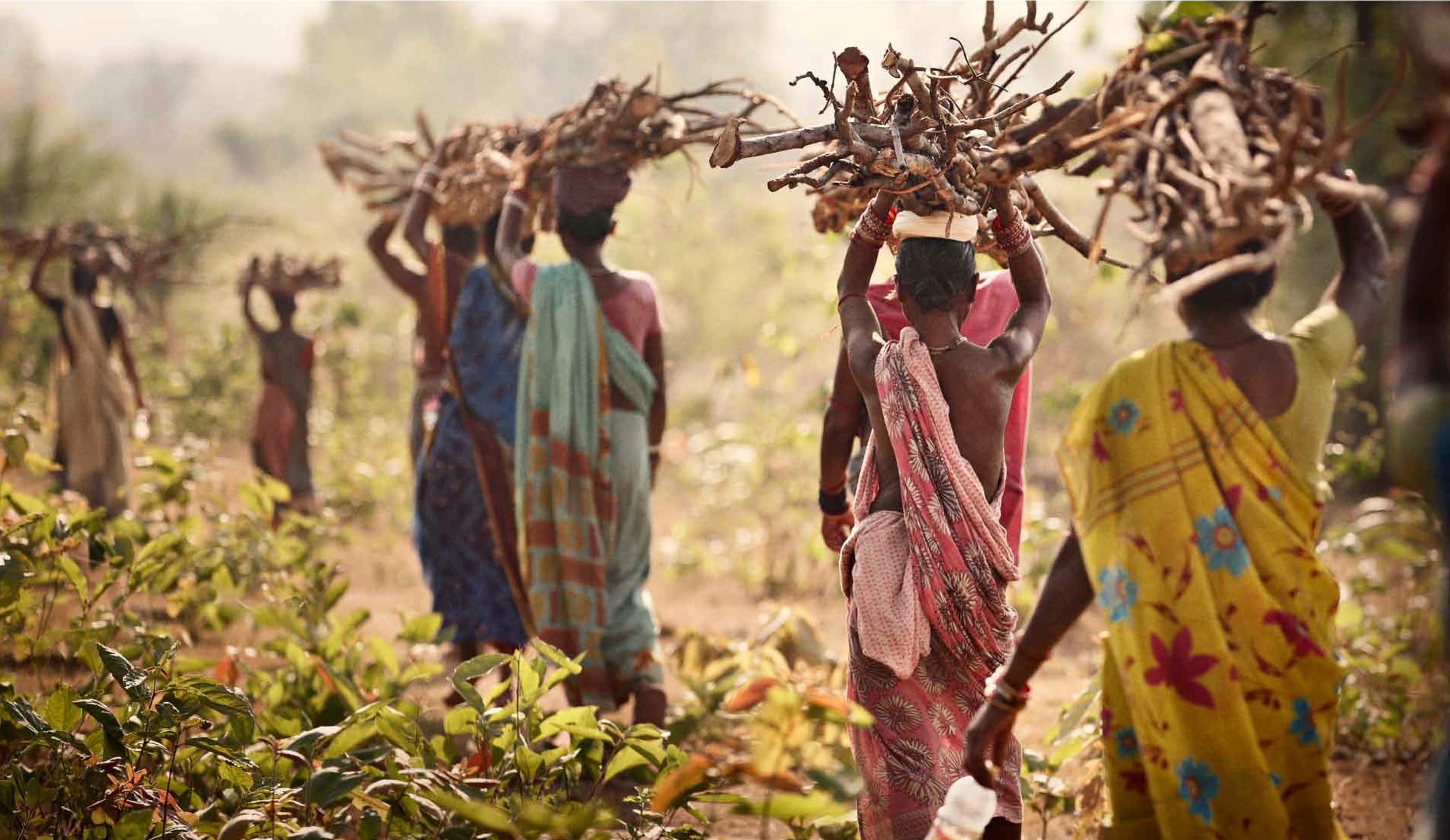
India presents a stark contrast. Despite rising female education levels, labour force participation remains comparatively low. Social norms around unpaid care, safety concerns, and limited formal job opportunities restrict women’s economic engagement. Growth in IT, finance, and services has opened doors for educated urban women, yet rural and informal-sector participation remains constrained and often invisible.
🇳🇬 Nigeria & 🇰🇪 Kenya (Africa)

4
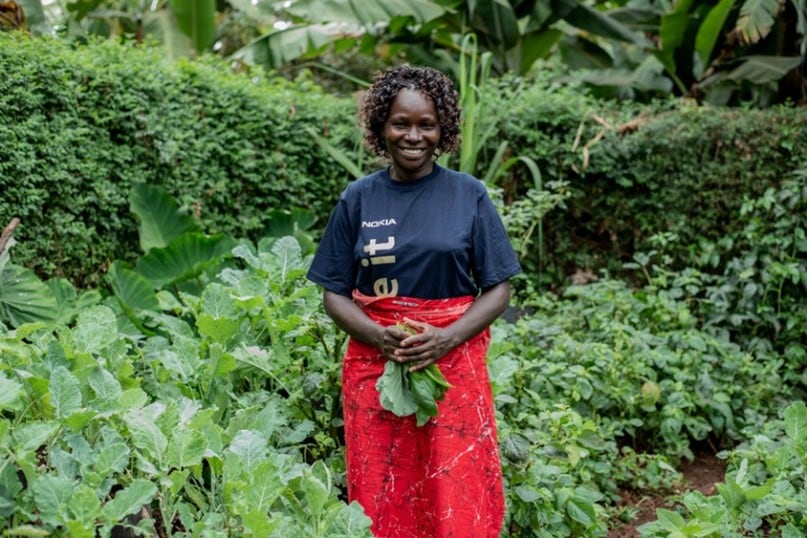
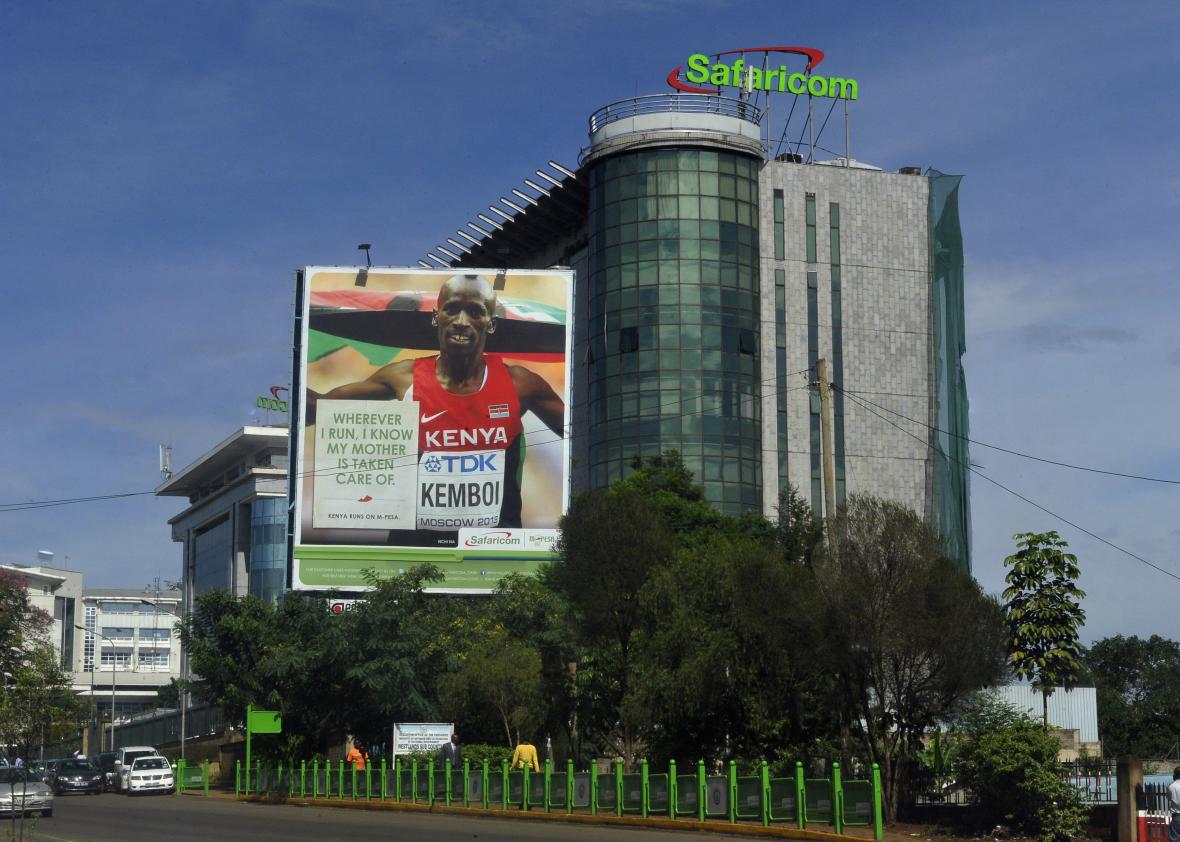
In Africa, women’s participation often appears high statistically, but job quality is the key issue.
In Nigeria, many women work in agriculture, informal trade, and small-scale enterprises. While participation rates can seem strong, economic security, social protection, and leadership representation remain limited.
In Kenya, women are similarly active in agriculture and informal commerce, but the rise of Nairobi’s tech and service sectors is creating more formal opportunities for educated women. Still, rural–urban divides and class inequalities remain significant barriers.
🇫🇮 Finland & 🇩🇪 Germany (Europe)


 4
4
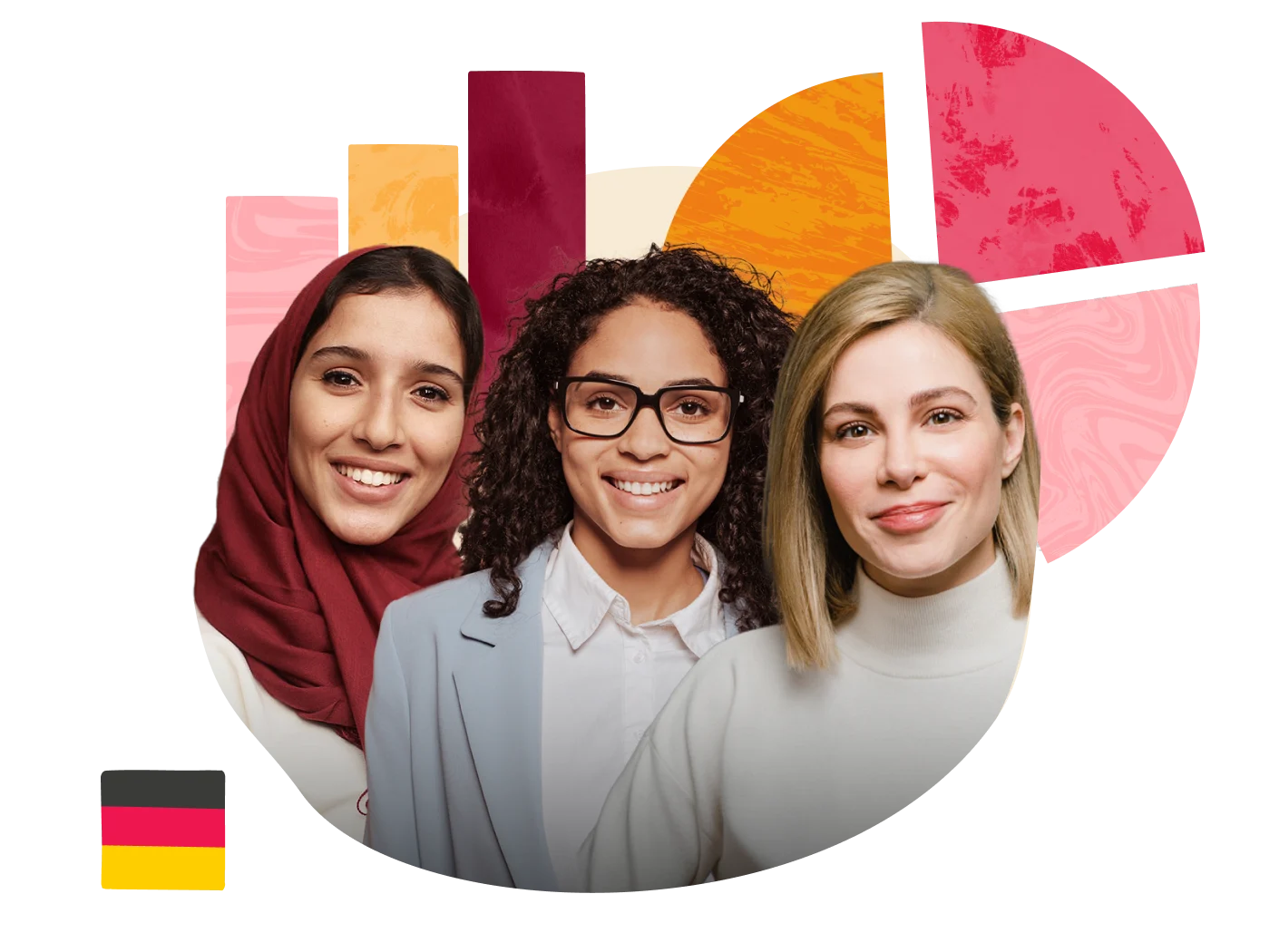
Europe shows stronger institutional support structures.
Finland, shaped by Nordic welfare traditions, combines generous parental leave, childcare systems, and anti-discrimination frameworks. Women’s participation is high, and leadership visibility is strong.
Germany has transitioned toward a dual-earner model, yet women remain overrepresented in part-time work and underrepresented in top corporate leadership. Structural reforms have improved representation, but cultural legacies still influence career pathways.
🇺🇸 United States & 🇨🇦 Canada (North America)


4
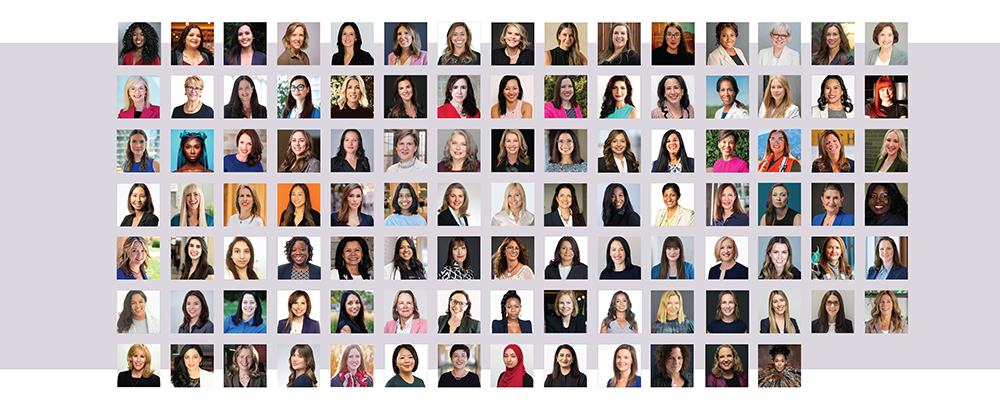
Both countries show high female participation, yet with ongoing structural gaps.
The United States demonstrates strong representation in professional and managerial roles but continues to struggle with pay inequality, limited federal paid leave, and persistent motherhood penalties.
Canada provides more comprehensive parental leave and childcare subsidies, supporting stronger career continuity for women. However, pay gaps and occupational segregation persist in both countries.
🇧🇷 Brazil & 🇦🇷 Argentina (South America)



4
In Latin America, women’s employment has expanded significantly in services, education, and public administration.
Brazil and Argentina have both seen growth in women’s workforce participation. Yet informality, care burdens, and gender-based violence continue to limit economic empowerment. Strong feminist movements in both countries have influenced labour and anti-violence policies, though implementation varies with political cycles.
🇦🇺 Australia & 🇳🇿 New Zealand (Oceania)

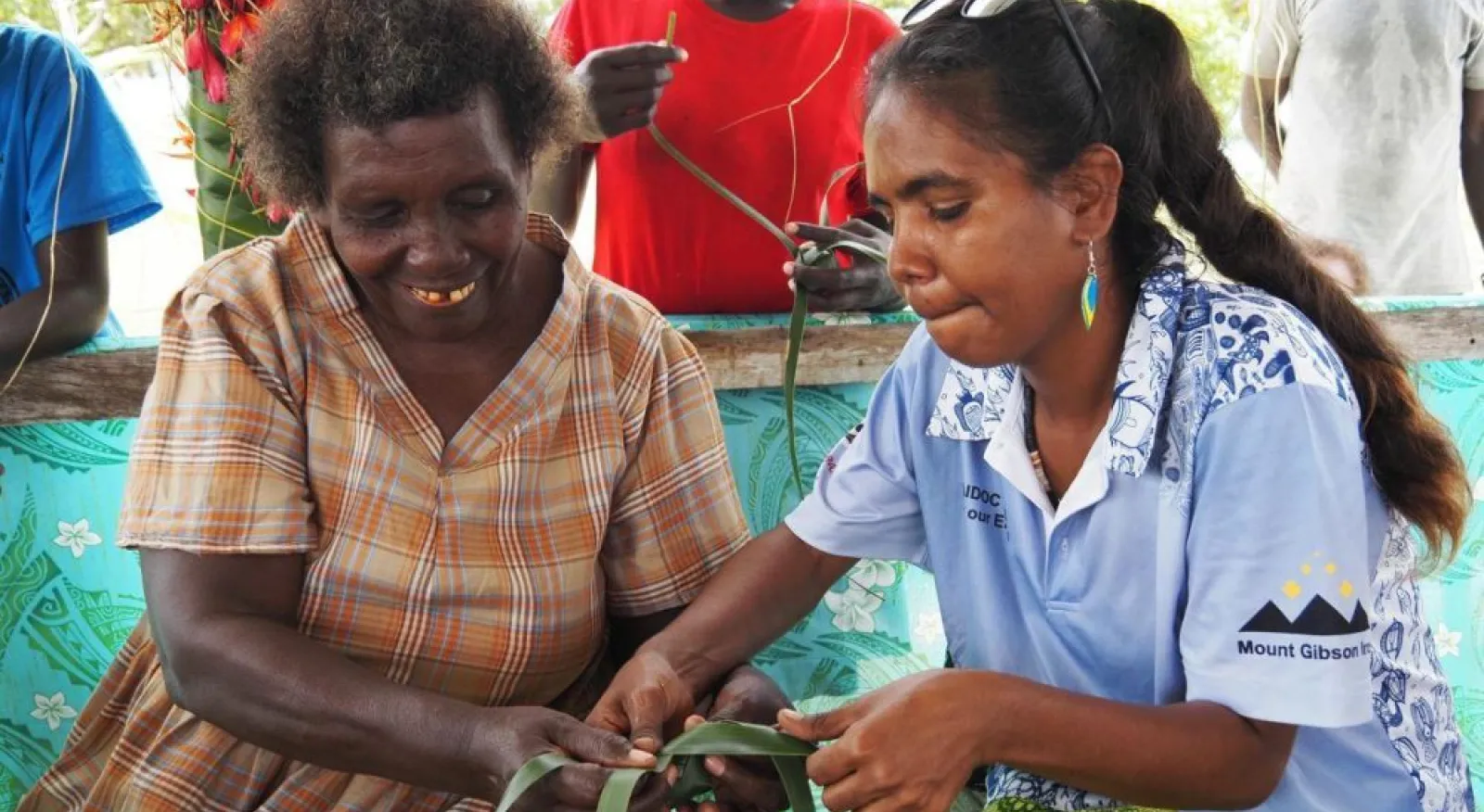
4
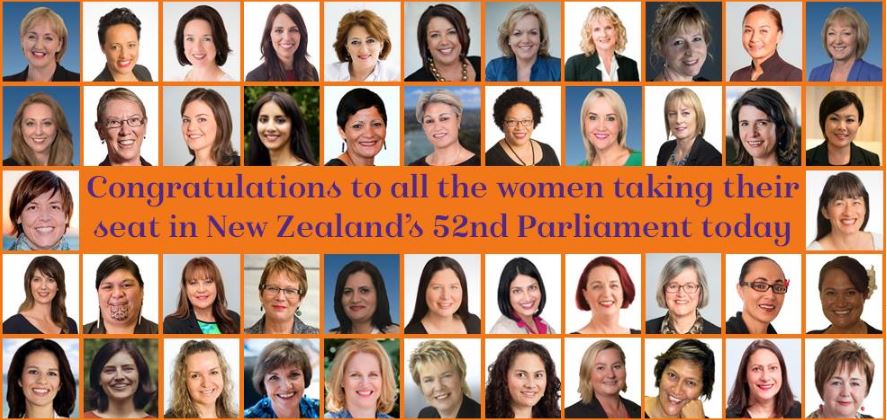
Both countries demonstrate high female labour force participation.
New Zealand often leads in political representation and pay-equity reforms, while Australia maintains strong workforce inclusion but continues to confront glass ceilings and intersectional inequities affecting Indigenous and migrant women.
Female Literacy Across Continents
Near-Universal Literacy
In Finland, Germany, Canada, the United States, Australia, and New Zealand, female literacy is nearly universal. Women often surpass men in tertiary education enrollment. The challenge here is no longer access to schooling but translating educational advantage into equal economic power and leadership access.
High but Uneven
China, Brazil, and Argentina report high literacy rates with narrowing gender gaps. However, rural populations, migrants, and lower-income women still face disadvantages.
Improving but Unequal
India and Kenya have made significant gains, yet disparities persist between regions, classes, and communities. Early marriage, school dropout, and infrastructure gaps remain concerns in certain areas.
Lagging with Regional Variation
In parts of Nigeria, literacy improvements are visible but uneven. Conflict, poverty, and child marriage continue to disrupt girls’ educational attainment in some regions.
Key insight: Literacy gains alone do not guarantee economic or political equality. Labour market structures and cultural norms shape whether education converts into empowerment.
Women’s Empowerment as Government Policy
Europe & Oceania
Empowerment is embedded within broader welfare systems: gender-equality strategies, board quotas, anti-harassment laws, and childcare supports. Structural alignment between education, labour policy, and social protection strengthens outcomes.
North America
Canada has adopted explicit feminist policy frameworks domestically and internationally. The United States relies heavily on anti-discrimination law and litigation, with social protections more fragmented and politically contested.
Latin America
Brazil and Argentina have pioneered gender-sensitive social policies and anti-violence legislation, often driven by strong feminist movements. Political changes, however, influence policy consistency.
Asia & Africa
Policies often focus on girls’ education, microfinance, entrepreneurship funds, and campaigns against child marriage. While commitments are visible, enforcement, funding, and cultural barriers frequently limit structural transformation.
Conclusion: Education Is Necessary, But Not Sufficient
By 2025, women across continents are more educated and more economically active than ever before. Yet representation does not automatically mean equality.
The countries showing the most durable progress combine:
- Universal education access
- Robust labour and social policy (childcare, leave, pay equity)
- Strong legal protections
- Sustained feminist and civil society pressure
The distance between India and Finland, Nigeria and New Zealand, or Brazil and Germany is not merely economic — it reflects how deeply gender equality is embedded into law, labour markets, and daily life.
The global pattern is clear: literacy opens the door, participation enters the room, but only structural reform builds the house of empowerment.


