
You Don’t Have to See the Entire Path
Finding your purpose doesn't require having all the answers—it begins with a single meaningful step.

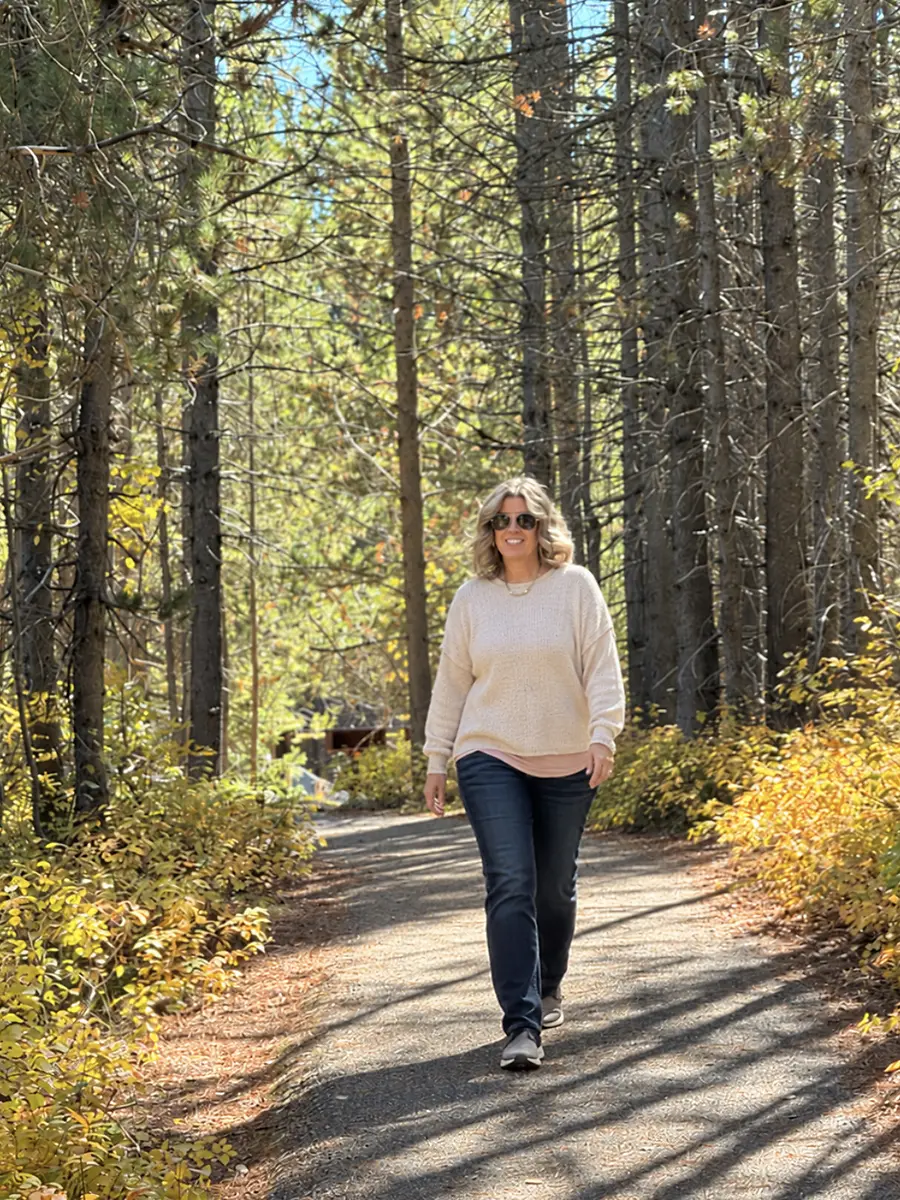
"You don't have to see the entire path to know you're being called to walk it."
To me, those words leave room for both conviction and uncertainty. You can feel strongly that something matters without knowing exactly what your role will be. You can recognize a need without having a complete plan for meeting it. You can take a first step while still having questions.
As women, we can spend a great deal of time wondering whether we are ready. Do we have enough experience? Will anyone take us seriously? Can we manage another responsibility? What happens if we try and discover how much we still have to learn?
Those questions deserve consideration. But they do not all need to be answered before we begin.
Sometimes, the first step is simply paying attention to something we can no longer ignore.
Begin With What Matters to You
My work with Missing In America Network centers on families searching for missing loved ones. It involves public awareness, resources, communication, and follow-through. Behind every case is a person whose absence has changed the lives of others.
That work gives purpose to responsibilities that might look ordinary from the outside: returning a voicemail, making a phone call, reviewing information, entering a case update, or making sure a tip reaches someone who can act on it.
For the family waiting for news, those actions matter.
Purpose does not always arrive as a fully formed vision. It can begin with noticing that someone needs help and asking what you can reasonably do. You may not yet know whether that first action will become a career, an organization, a community project, or a continuing commitment alongside other parts of your life.
You do not have to decide all of that immediately. Begin by understanding the need and considering what you can contribute.
Let Your Experience Travel With You
When we consider a new direction, it is easy to focus on the qualifications we lack. We may overlook the abilities we have developed through previous work, family responsibilities, and experiences that seemed unrelated at the time.
My professional background includes private investigation, human resources, recruiting, business management, and graphic design. Each area has given me skills that connect with the work I do today.
Listening carefully, organizing information, communicating clearly, coordinating people, and presenting a message effectively all have a place in advocacy. The connections are easier to recognize when I look at how those skills are used.
Your experience may be preparing you in ways you have not yet considered.
Perhaps you know how to explain a complicated process. Perhaps people trust you because you follow through. Perhaps you can bring order to a confusing situation or notice details others have missed.
Take those abilities seriously. They are part of what you bring to the next step, even when you are entering unfamiliar territory.
Learn as You Go and Know Your Limits
A willingness to begin needs to be accompanied by a willingness to learn.
In missing-person advocacy, compassion alone cannot answer every question or resolve every situation. The work requires care with information, respect for privacy, an understanding of responsibilities, and collaboration with people who have different expertise.
There are times to act and times to ask for guidance. There are questions I can help a family navigate and questions that belong with law enforcement or another qualified professional.
Recognizing those distinctions is part of being responsible.
Young women entering any field should give themselves permission to say, "I don't know yet, but I will find out," or, "This needs someone with expertise I don't have."
Those statements can build trust when they are followed by appropriate action. People need to know that your commitment is supported by honesty and sound judgment.
Confidence can grow from that practice: learning, applying what you learn, and becoming more capable over time.
Give Follow-Through the Respect It Deserves
We often celebrate the visible moments of leadership. A launch, an interview, an award, or a public event can make the work recognizable to others.
Much of the work that supports those moments happens quietly.
It happens when you return a message you promised to answer. When you document information so it can be understood later. When you check whether the person you contacted received what they needed. When you tell someone that you are still waiting for an answer instead of leaving them wondering.
In my work, I have to remind myself to give those responsibilities priority. A long list of projects can make it difficult to decide where to begin. Yet a person waiting for a callback is a concrete responsibility. A case update that needs to be entered is a concrete next step.
You may not be able to resolve the whole situation today. You may be able to complete the action that allows someone else to move forward.
That is meaningful progress.
Build Relationships Along the Way
Following a calling can feel personal, but carrying out the work often depends on relationships.
Missing-person advocacy brings together families, volunteers, advocates, investigators, law enforcement professionals, and community members. Each may hold information or offer an ability that another person does not have.
Learning to collaborate means listening as well as contributing. It means being clear about what you can do, respecting other people's roles, and communicating when circumstances change.
It also means accepting help.
For women who are accustomed to being the person others rely on, asking for assistance can take practice. We may feel responsible for keeping everything moving or hesitate to hand something over because explaining it seems like another task.
But a growing purpose needs support. Other people need opportunities to contribute, and we need room to focus on the responsibilities that most require our attention.
A strong relationship can help us see possibilities we would not have found alone.
Make Room for a Sustainable Commitment
Meaningful work can make it difficult to stop.
There may always be another message, another question, another person who needs attention. In advocacy, the needs are real, and some are urgent. That makes it especially important to distinguish what requires immediate action from what can be scheduled, shared, or revisited.
I am still working on that balance.
A commitment to helping others must exist alongside the responsibilities and relationships in our own lives. Eating lunch, taking a break, or spending time with family does not erase our dedication. Those things support our ability to continue.
Boundaries also require honest communication. If we cannot do something, we should say so. If we need more time, we should explain that. If a responsibility needs to be shared, we should ask.
The goal is to build a way of working that we can sustain with care and integrity.
Recognize Progress Without Needing Control of Every Outcome
One of the hardest parts of purposeful work is accepting that effort does not give us control over every result.
Families searching for a missing loved one want answers. Advocates want to help them find those answers. Yet there are circumstances we cannot change and outcomes we cannot promise.
That reality calls for honesty about what our work can accomplish.
I measure success through the support we provide and the difference our efforts make for families. That can include helping someone understand a process, making a useful connection, ensuring information reaches the appropriate person, or helping a family feel heard during an uncertain time.
Those contributions do not replace the outcome a family hopes for. They still deserve care.
In your own work, look closely at the progress you are making. Notice what has improved, what you have learned, and whose experience has been helped by your involvement. Let that understanding guide your next decisions.
Take the Next Responsible Step
If there is something you feel called to pursue, you can begin by making the next step specific.
Learn about the field. Speak with someone doing the work. Explore training. Offer a skill you already have. Ask what is needed before deciding how you will help.
Then pay attention to what the experience teaches you.
You may discover that your contribution looks different from what you first imagined. You may need to change direction, develop another skill, or reconsider how much you can take on. That learning is valuable. It helps you build a commitment rooted in understanding.
You do not need to present yourself as someone who has everything figured out. Bring your compassion, your questions, your experience, and your willingness to follow through.
The path will become clearer through the work of walking it—one thoughtful decision, one relationship, and one completed action at a time.
You don't have to see the entire path to know you're being called to walk it.
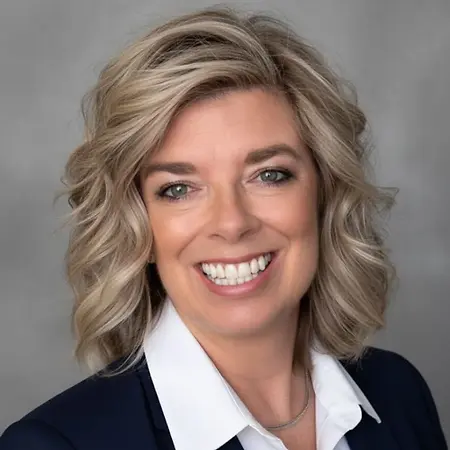
Rhonda Dequier founded Missing In America Network out of a belief that families searching for a missing loved one deserve to be heard, supported, and taken seriously. She sought to turn that belief into practical help by raising public awareness, connecting families with resources, and following through on information that could move cases forward. That purpose continues to guide her work. Rhonda emphasizes…





