
You Know the Job… But Can You Lead the People?
Why technical expertise alone doesn't prepare you to lead people.


You Know the Job… But Can You Lead the People?
Technical expertise earns you the title, but your behavior shapes the kind of leader you become.
I have a question.
When did knowing how to do the job automatically qualify someone to manage the people doing it?
Think about it.
You know the systems. You know the policies. You know the procedures, the shortcuts, and probably exactly which button someone forgot to click.
You're dependable. You're experienced. You're the person everyone calls when something goes wrong.
Congratulations! You're management material!
Or are you?
Because somewhere along the way, we started confusing being exceptionally good at a job with being exceptionally good at leading people. And those are two very different things.
Knowing the work isn't the same as understanding people.
An employee becomes the expert. They consistently deliver results, understand the operation, and demonstrate impressive technical knowledge. Eventually, they're promoted.
Now they're responsible for coaching employees, resolving conflicts, providing feedback, developing talent, and creating an environment where people can succeed.
There's just one little detail. Nobody necessarily taught them how to do any of that.
Apparently, knowing every policy and procedure doesn't come with a free emotional intelligence degree. Who knew?
But here's where the conversation gets uncomfortable.
You can know every procedure and still struggle to communicate respectfully. You can recognize mistakes and still struggle to coach someone through them. You can understand performance expectations and still fail to hold yourself accountable for your own behavior. You can be technically brilliant and still create an environment where employees hesitate to ask questions, share ideas, or admit they need help.
Employees don't experience leadership through someone's résumé; they experience it through someone's behavior.
Your title gives you authority. Your behavior determines your influence.
There's a difference between someone following instructions because you're their manager and someone trusting your guidance because you've demonstrated leadership.
Both may produce results. But they don't necessarily create the same workplace experience.
Consider a manager who demands accountability but becomes defensive when receiving feedback. Or someone who encourages open communication but responds poorly when an employee expresses a different opinion. Perhaps they talk a lot about teamwork but struggle to recognize contributions outside their own. Maybe they expect professionalism from others while overlooking how their own tone, reactions, or decisions affect the team.
And here's the interesting part. They may genuinely believe they're doing an excellent job.
After all, the work is getting done. The reports are completed. The numbers look good. The deadlines are met.
But are those the only measures of effective leadership?
What about the employees who no longer speak up? The talented individuals who stop sharing ideas? The team members who do exactly what's required but no longer feel comfortable contributing anything more?
Not every quiet employee is disengaged. Sometimes they're simply paying attention to what happens when someone speaks. And that's worth examining.
But is the manager entirely responsible?
Now, before we start handing out imaginary leadership violation tickets, I think organizations need to look in the mirror, too.
What are we actually evaluating when we promote someone into management?
Technical expertise? Years of experience? Productivity? Reliability?
Those qualities matter. But how much attention are we giving to communication, emotional awareness, accountability, conflict resolution, and the ability to develop others?
And once someone receives the title, what happens next? Do we provide meaningful leadership development? Do we teach managers how to give constructive feedback, handle difficult conversations, and recognize the impact of their behavior? Or do we hand them the keys, congratulate them, and hope everything works itself out?
Promoting someone into leadership without developing their people-management skills doesn't necessarily set them—or their team—up for success.
That doesn't excuse harmful behavior. Managers are still responsible for how they treat people. But organizations also have a responsibility to prepare individuals for the positions they're expected to perform.
Here's another uncomfortable question.
What if someone doesn't actually want to lead people?
Not everyone who excels at their job wants to manage others. Some individuals genuinely enjoy mastering their work, solving complex problems, improving systems, and becoming subject-matter experts. And there's absolutely nothing wrong with that.
But when management becomes the primary pathway to higher compensation, recognition, or advancement, employees may feel encouraged to pursue positions that don't align with their strengths or interests. Then everyone wonders why an exceptional employee isn't necessarily an exceptional manager.
Maybe the problem isn't a lack of talent. Maybe we promoted them away from what they do best.
That's not a failure of ambition. It may be a failure in how we define professional growth.
And managers, this part is for us.
Having leadership experience doesn't mean we've finished learning how to lead. A title isn't a personality upgrade. A promotion doesn't automatically improve our communication. And years of experience don't make us immune to poor judgment.
Sometimes leadership development requires us to examine things that don't appear on a performance dashboard.
How do I respond when someone disagrees with me? Can I acknowledge when I'm wrong without immediately defending myself? Do employees feel comfortable bringing me concerns? Am I developing people—or simply directing their work? Do I hold myself to the same behavioral expectations I establish for others?
And perhaps the most uncomfortable question: Would I want to work for someone who leads the way I do?
Ouch. That one might require a second cup of coffee.
Because leadership isn't just about what we expect from others. It's also about what we consistently demonstrate.
Maybe we're measuring the wrong things.
I believe organizations need people who understand the work. We need technical experts. We need experienced professionals who can solve problems, improve operations, and help teams perform effectively.
But we also need managers who understand that people aren't simply another process to manage. They bring different personalities, experiences, strengths, challenges, and perspectives. And leading them requires more than knowing which policy applies or which metric needs improvement.
It requires the willingness to listen. The ability to communicate expectations without diminishing someone. The humility to recognize mistakes. The consistency to hold people accountable fairly. And the understanding that developing others is part of the responsibility—not an inconvenience that comes with the title.
Knowing the job may earn you the promotion. Learning how to lead people is what makes you worthy of the responsibility.
One final thought.
I don't believe every technically skilled employee should become a manager. And I don't believe every manager who struggles with people skills is incapable of becoming a better leader.
People can learn. People can grow. Sometimes the most meaningful leadership development begins when someone recognizes that their expertise in the work doesn't automatically translate into people skills.
But that growth requires self-awareness. It requires feedback. And sometimes it requires acknowledging that, even if we know the job inside and out, we still have something to learn about the people doing it.
Because a title can make you someone's manager. Your behavior determines what kind of leader they experience.
And perhaps before we ask whether someone knows enough to manage the work, we should also ask whether they're prepared to lead the people.
Still learning, still questioning, and apparently checking whether the leadership manual came with a section on human behavior.
— KDS
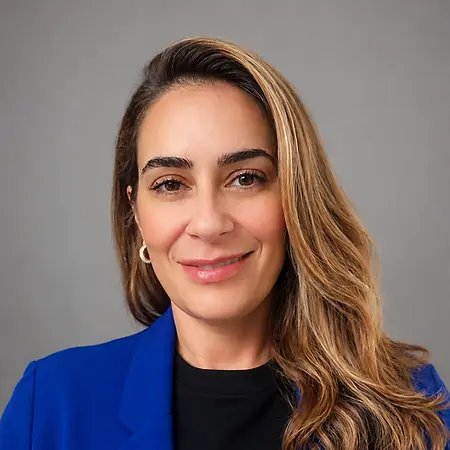
A dedicated healthcare professional and emerging leader, Kathelyn Diaz Santana has more than a decade of experience with Orlando Health. Throughout her career, she has progressed through diverse roles in front-office operations, scheduling coordination, surgery scheduling, patient experience, MyChart support, and professional relations, developing a strong understanding of both the administrative and human sides of…





