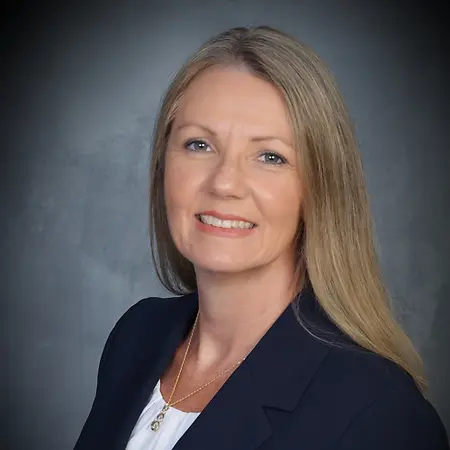
I found balance by leaning into the understanding that my value is not generated by how much I give. I got comfortable saying "I can't commit right now, but thanks for asking!"
How She Learned to Lead Without Overgiving
Explore more
Uncover what's been covered. Speak the truth. Heal the ache in your jaw, ease the pain in your chest, and let the tears finally fall.
Amanda Alexander, DNP, MSN-Ed, RN · In Her Own Words
I found balance by leaning into the understanding that my value is not generated by how much I give. I got comfortable saying "I can't commit right now, but thanks for asking!"
How She Learned to Lead Without Overgiving
Explore moreHer Story
Amanda Alexander, DNP, MSN-Ed, RN, is an accomplished Advanced Practice Nurse and Perioperative Nurse Educator with a strong commitment to leadership, education, and advancing patient care. She currently serves at the U.S. Department of Veterans Affairs, where she brings more than 16 years of experience across high-acuity clinical environments, including the ICU, cardiac catheterization and electrophysiology labs, PACU, emergency departments, and medical-surgical units.
Amanda’s expertise spans acute care, long-term care, and rehabilitation settings, with a consistent focus on patient safety, quality outcomes, and compassionate, evidence-based practice. In addition to her clinical work, she is a dedicated educator and mentor. She has served in faculty at institutions such as Purdue Global and Rasmussen University, providing didactic, laboratory, and clinical instruction to nursing students.
As a Subject Matter Expert, Amanda has contributed to curriculum redevelopment, clinical policy design, and evidence-based initiatives at both local and national levels. She is also an American Heart Association–certified instructor in BLS, ACLS, and PALS, equipping healthcare professionals and community members with essential life-saving skills.
Passionate about empowering nurses and healthcare teams, Amanda integrates technology, data-driven strategies, and collaborative leadership to enhance learning and improve patient outcomes. Her professional mission centers on fostering growth, inspiring excellence, and helping others achieve their full potential. Beyond her professional roles, she actively supports organizations such as cancer foundations and the American Heart Association, honoring the mentors and colleagues who have shaped her journey through their examples of compassion and resilience.
Her Interview
01What do you attribute your success to?
I am driven by a strong desire to positively impact others' lives, and that purpose guides my daily decisions. I recognize that my success is not accidental, but the result of the choices I make each day.
My progress is rooted in persistence. Even when the path feels long or uncertain, I continue to show up. I’ve learned that consistency, "especially on the hardest days", matters more than brief bursts of motivation.
Growth is another foundation of my success. I don’t expect to know everything, but I do expect myself to keep learning. Challenges don’t stop me; they shape me. I remember a time when an unexpected project delay left me overwhelmed and doubting my abilities. Working through that experience strengthened my skills, deepened my confidence, and built lasting resilience. Every obstacle since has added to that growth.
Purpose fuels my commitment. Making a meaningful difference for the people I serve, the teams I support, and the systems I help improve gives direction to my work. I recall leading a project that reduced student anxiety around testing. Seeing their relief as they moved through a smoother process reaffirmed why my work matters. Moments like that remind me that impact is what drives lasting motivation.
I’ve also grown by moving forward even when I feel unsure. Real growth doesn’t happen in comfort zones. I still remember standing in front of a classroom for the first time, heart pounding as the room fell silent. As I began to speak, I realized I wasn’t just finding my voice; I was expanding my limits. Each new role, challenge, and opportunity to speak has stretched my confidence and strengthened my sense of capability.
Above all, my success comes from refusing to stay the same. I am always learning, always evolving, and always working to become better than I was before.
My success is not luck. It is resilience, purpose, courage, and a continuous commitment to growth.
02What’s the best career advice you’ve ever received?
Careers aren’t ladders anymore; they’re jungle gyms. The people who thrive are the ones who keep learning, keep adapting, and keep their integrity intact.
03What advice would you give to young women entering your industry?
My advice to young women entering this industry is to give yourself grace as you learn, grow, and navigate your careers. Healthcare can feel hierarchical, and it’s easy to doubt yourself. Speak up, share your ideas, and advocate for your patients and learners; your perspective matters. Confidence grows each time you step into uncomfortable situations.
04What are the biggest challenges or opportunities in your field right now?
CNEs face significant challenges due to nursing shortages and high patient care demands, which often leave less time for mentoring, teaching, and supporting learners. Even in this environment, setting aside protected time for education helps nurses get the support they need. Other helpful steps include sharing responsibility through tiered mentorship, using microteaching moments, and improving staffing models. While clinical demands can’t be removed, organizing educator time, using technology, training preceptors, and integrating teaching into daily routines can help CNEs teach effectively without burning out.
05What values are most important to you in your work and personal life?
The values most important to me in both my work and personal life are discipline, balance, and continuous growth. I’m passionate about health and fitness, including weightlifting, bodybuilding, and staying active through biking. I also prioritize time with my son and enjoy reading, currently exploring self-help books like those by Steven Furtick, to continue learning and growing personally and professionally.
Her Content Hub
This article examines how electronic health records (EHRs) have created a "checkbox mindset" that prioritizes data entry over meaningful clinical communication.
How Electronic Health Records Can Undermine Clinical Communication and Patient Care

Electronic health records (EHRs) were created to improve access to information, communication, efficiency, and patient safety. They allow clinicians to access and share documentation instantly, and structured data supports quality improvement, regulatory reporting, and clinical decision support. For example, a nurse can quickly review operative notes, lab results, and medication orders in one place. However, nurses may also face numerous mandatory fields, some irrelevant to the patient, and must navigate several screens for routine assessments. While EHRs facilitate information sharing, they can also add cognitive and workflow burdens, along with less tangible costs.
A key concern emerges when EHRs influence not only what nurses document, but also how they think and practice clinically.
The main issue is not electronic documentation itself, but the reliance on checkboxes, dropdown menus, mandatory fields, templates, and repetitive flowsheets. When selecting a box becomes the easiest way to complete a record, the system may suggest that this equals meaningful clinical communication.
This phenomenon can be described as the development of a 'checkbox mindset':
Why would I write it out when it is easier to check a box?
Given heavy workloads, complex patients, staffing shortages, and growing documentation demands, this approach may seem practical. When a one-click option replaces detailed entries, it is understandable that clinicians choose the faster method. Consider your own documentation habits. Have you ever used a checkbox or template when a narrative would have better described the patient's situation? What influenced your decision? Reflecting on these choices reveals how documentation systems shape clinical practice and the narratives in medical records. However, efficiency can come at the expense of essential clinical context.
Documentation burden is well established in healthcare. The Agency for Healthcare Research and Quality identifies time spent in the EHR, clinical documentation, workflow fragmentation, clinical review, administrative tasks, and usability among the measurable components of documentation burden. For nurses, documentation burden is significant because records are spread across flowsheets, medication records, care plans, assessments, notes, and other EHR components. A 2024 study found that redundancy, poor navigation, and cumbersome data entry are major contributors to this burden (Cho et al., 2024, pp. 2540-2549).
The issue therefore becomes larger than:
"How long does it take the nurse to chart?"
The more important question may be:
"What does the nurse have to give up in order to complete the chart?"
Every minute spent on redundant documentation is time taken from patient assessment, family education, interdisciplinary communication, mentoring colleagues, or analyzing changes in a patient's condition. Studies show that documentation demands disrupt direct patient care and workflow (Moy et al., 2021, pp. 998-1008). Nurses report using workarounds such as charting by exception, copying and pasting, or deferring documentation due to the high volume of required entries (Fraczkowski et al., 2020). This distinction matters when identifying documentation needs. The goal should be meaningful clinical communication.
Consider the difference between two entries.
Checkbox: Patient tolerated procedure well. ☑
versus:
Patient became increasingly restless during the procedure, repeatedly reaching toward the operative site. Sedation was adjusted per order, and the patient subsequently became calmer. Respiratory status remained stable throughout.
Both entries may meet documentation requirements, but they do not provide the same clinical narrative. The checkbox offers only a conclusion, while the narrative gives a detailed account of the event.
To support more effective narrative entries, consider using a simple framework while documenting patient events:
Including these elements ensures your narrative captures clinical details and reasoning. This approach makes documentation more meaningful and useful for the entire care team. Moreover, effective clinical practice depends on detailed narratives. Nursing involves observing changes in behavior, appearance, respiratory patterns, pain, cognition, responses to interventions, family concerns, environmental factors, and subtle deviations from baseline. Checkboxes cannot fully capture these observations.
A recent study found that 'checking the box prevents meaningful information capture' is a major challenge with structured electronic documentation. Researchers recommend reducing reliance on structured data entry and promoting methods that reflect nurses' clinical reasoning. When EHRs focus on documenting answers instead of reasoning, they may discourage communication of the clinical narrative.
Nursing practice requires continuous clinical judgment.
The nurse observes.
The nurse interprets.
The nurse recognizes patterns.
The nurse determines whether a finding is expected or unexpected.
The nurse intervenes.
The nurse evaluates the response.
The nurse communicates what matters.
Electronic documentation should support that process.
Instead, poorly designed documentation systems can reverse it:
Find the field → select the answer → satisfy the requirement → move on.
In the first model, documentation supports clinical reasoning; in the second, it may disrupt it. A 2022 review found that EHRs can become fragmented and difficult to synthesize, with nurses spending much of their shifts on documentation. The authors noted that current systems often prioritize data entry over supporting reliable, evidence-based care. This raises a critical question:
Checkboxes offer efficiency. Structured documentation allows organizations to collect standardized, searchable, and measurable data for reporting, analytics, and decision support. However, efficient data capture is not the same as efficient clinical communication. While checkboxes help with database management, they may hinder clinicians' understanding of clinical context. This matters because healthcare professionals are responsible for patient care, not just data management.
They care for people.
Structured data has enormous value when the information being collected is truly discrete. For example:
However, not all clinical phenomena are discrete. Some information requires context, chronology, interpretation, and explanation, and sometimes the nurse must say:
"Something changed, and this is why I am concerned."
Electronic documentation was intended to improve interdisciplinary communication. Paradoxically, the resulting documentation burden can hinder effective communication among medical professionals. One study found that EHR workload can hinder communication both within and outside the EHR, reducing opportunities for real-time discussion and limiting the quality of charted information. Structured fields and checkboxes can encourage shortcuts and reduce individualized documentation. As a result, technology designed to improve communication can lead to communication displacement, where clinicians have less time to communicate.
"I noticed something different about this patient."
The interaction becomes: "Did you chart the assessment?"
Instead of: "The patient has been increasingly confused since 1400, and this is different from baseline," the communication may become: "Altered mental status—yes/no."
Instead of discussing clinical significance, clinicians may focus on completing documentation fields. This issue arises from both system design and clinical practice patterns, not just technology.
The problem is compounded by differences in how healthcare professionals interpret structured documentation. A checkbox may mean one thing to the person selecting it and another to the person reading it later.
The reader may not know:
Although the record may contain information, it may lack clinical meaning. This gap can cause communication disparities. For example, two nurses may document the same event differently—one using structured fields, the other providing narrative context. Physicians may interpret checkboxes differently than intended. Handoffs may rely on documentation that contains data but lacks clinical narrative. As a result, charts may be data-complete but less effective for communication, posing risks to patient care.
Perhaps the most important question is not: "Did the nurse document everything?"
Instead, healthcare organizations should ask: "What is the purpose of this documentation?"
Documentation can fulfill multiple functions:
Each documentation purpose is valid, but problems arise when one goal's requirements burden others. For example, a field may exist for reporting but add little to the clinical narrative. A 2026 study found that while 92% of nurses saw documentation as essential for communication, 88% completed it mainly for compliance. This disconnect should prompt healthcare leaders to evaluate whether documentation systems still serve their intended clinical functions.
This question deserves to be asked every time a new documentation requirement is introduced:
Does this requirement support nursing practice, patient safety, clinical communication, or an essential organizational function, or are we simply adding another data point because the technology allows us to collect it?
More documentation does not automatically mean better documentation. More data does not automatically mean better information. More completed fields do not automatically mean better communication. And more clicks do not automatically mean better care. The American Nurses Association's principles for nursing documentation emphasize documenting critical and necessary information while avoiding duplicative documentation. Research on EHR redesign similarly supports removing non-value-added fields and aligning documentation requirements with actual clinical workflow. That suggests a different philosophy:
The Scope-of-Practice Question: What should nurses be spending their professional time doing?
The nursing scope of practice includes the knowledge, judgment, skills, and responsibilities needed for patient care. Documentation is essential, but it should support, not overshadow, clinical duties. When nurses spend much of their shifts on redundant electronic fields with little clinical value, organizations risk turning professional time into data entry, with implications beyond job satisfaction.
It provokes questions about:
The question should therefore not simply be: "Can the nurse complete this documentation?"
The better question is: "Is this the best use of a nurse's clinical expertise?"
The most significant long-term concern is cultural. Nurses internalize behaviors that organizations incentivize. When priorities focus on completing documentation, nurses may prioritize these tasks. If EHRs and audits value completed fields over communication quality, a 'checkbox mindset' can develop, equating task completion with professional responsibility. However, nursing practice is more than completing documentation fields. Patients may deteriorate even when all assessment boxes are checked. Structured fields or dropdown menus may miss anxiety, family concerns, or subtle neurological changes. Clinical judgment remains essential because patient conditions often do not fit set categories.
The solution is not to return to paper charts or abandon EHRs. Instead, electronic documentation systems should be redesigned to align with healthcare professionals' real workflows and needs.
That means asking:
If not, why is it required?
If so, why must the nurse enter it again?
If not, provide an easy way to explain it.
Or does it simply require data entry?
Not simply what box was selected.
Those are different outcomes.
What patient-care activity does the added documentation displace?
The goal is not to eliminate checkboxes, but to use them appropriately. Use structured fields for discrete data and narrative documentation when context is needed. Nurses should be able to communicate clinical reasoning when preset options are insufficient. Most importantly, do not measure documentation quality by volume alone.
The question should become: Did the documentation communicate what the next clinician needs to know to care for this patient safely?
This approach offers a more meaningful assessment of documentation reliability than simply counting completed fields. Electronic documentation should enable faster, clearer, and safer clinical communication, not force nurses to choose between patient care and completing the record. The medical record's main purpose is to convey the patient's story so future clinicians can understand events, identify key issues, and make informed decisions. Use checkboxes for data, but empower nurses to communicate clinical meaning. When technology prioritizes data entry over meaningful communication, leaders must reevaluate the system instead of blaming nurses. This is where the true cost of electronic charting appears.
References
Cho, H., Nguyen, O. T., Weaver, M. T., Marcelle, C., Pruitt, J., Lee, T., Salloum, R. G., & Keenan, G. (2024). Electronic health record system uses and documentation burden of acute and critical care nurse clinicians: a mixed-method study. Journal of the American Medical Informatics Association, 31(11), pp. 2540-2549. https://doi.org/10.1093/jamia/ocae239
Fraczkowski, D., Matson, J., & Lopez, K. D. (2020). Nurse workarounds in the electronic health record: An integrative review. Journal of the American Medical Informatics Association, 27(7). https://doi.org/10.1093/jamia/ocaa050
Moy, A. J., Schwartz, J. M., Chen, R., Sadri, S., Lucas, E., Cato, K. D., & Rossetti, S. C. (2021). Measurement of clinical documentation burden among physicians and nurses using electronic health records: a scoping review. Journal of the American Medical Informatics Association, 28(5), pp. 998-1008. https://doi.org/10.1093/jamia/ocaa325
Navigate workplace mismatches and weak leadership without compromising your professional growth. Learn when to stay, when to leave, and how to maintain your integrity in challenging environments.
Navigating Career Growth When Your Workplace Doesn't Meet Your Expectations
Have you ever accepted a position because you believed it would help you grow, only to find that the environment was not what you expected?
Perhaps you took the job to develop your leadership skills, expand your knowledge, strengthen your craft, or position yourself for the next step in your career. On paper, the opportunity seemed like the right choice. However, reality soon set in. You started noticing the workplace culture: the gossip, the insecurity, the condescending communication, the resistance to new ideas, and the mentality of "I already know everything about how things are done." You may have also realized that the leadership you expected to learn from was not what you had hoped it would be.
Suddenly, you find yourself asking, "Did I make the wrong decision?" Maybe. Maybe not. Sometimes, a job can present a good opportunity yet still not be the right long-term environment for you.
When an organization's culture does not align with your professional values, frustration can quickly build. Gossip can create an unsafe workplace, while insecurity can lead to unnecessary competition. Condescending communication can make experienced professionals feel belittled. Additionally, when individuals believe their approach is the only valid one, innovation and professional growth can stall. This is a critical point to keep in mind.
Do not let someone else's limitations restrict your career potential.
You don't have to conform to their behavior. You can maintain professionalism, kindness, and emotional detachment when needed.
Instead, consider adopting a different mindset: "I'm here to learn what I can, contribute what I can, and evaluate whether this environment is worthy of a long-term commitment from me." This perspective is quite different from thinking, "I need these people to validate that I'm good at what I do." You do not need their validation. The limitations of those around you do not determine your professional worth.
This is an area where you should pay particular attention. While a difficult coworker can often be managed and a challenging culture can sometimes be navigated, weak leadership can turn an otherwise excellent position into an incredibly frustrating experience. When leadership is lacking in direction, accountability, communication, or vision, you may find yourself constantly asking:
If you are naturally a problem-solver, this situation can become especially problematic. You see the issues, recognize the solutions, and know how you would handle them. Before you realize it, you may find yourself attempting to fix everything.
Avoid becoming the unofficial manager. One of the biggest career pitfalls for capable professionals is taking on responsibilities for issues they have no authority to resolve. You might begin doing leadership tasks without holding a leadership title, authority, recognition, or adequate compensation. As a result, you become everyone's go-to person. You solve problems, fill in gaps, and compensate for ineffective leadership. Ultimately, this can leave you feeling exhausted and frustrated, as you find yourself carrying responsibilities that were never meant to be yours.
Don't take charge of a department that isn't seeking your leadership. If leadership grants you the authority to lead, then step up and lead. If they solicit your expertise, offer it. However, remember that just because you can fix a problem doesn't mean you're responsible for doing so.
Absolutely. You can be thankful for an opportunity and still realize that it isn't the right place for you to grow your career. You can appreciate what you've learned and still choose to move on. You can respect your colleagues while understanding that the environment isn't suited to your needs. Leaving doesn't mean you've failed; sometimes it simply means you've gained the insight necessary to identify what you need next.
Don't decide to resign when you're feeling discouraged.
When frustration sets in, it can be tempting to think that leaving is the best option. Instead, take some time to assess the situation and explore your options objectively. Remember, you don't have to choose between "staying here indefinitely" and "quitting tomorrow."
There is a third option: Stay employed → Evaluate your current situation → Explore new opportunities → Interview for positions → Make a choice. This approach provides you with something incredibly valuable: control.
You can maintain your financial stability while assessing whether your current position is a true mismatch. During this time, you can:
Before deciding whether to stay at or leave your job, try to remove personal feelings from the equation.
Consider the following questions:
Your answers to these questions may provide more insight than your current frustrations.
We often believe that professional growth comes from learning from people who are more experienced, knowledgeable, or accomplished than we are. While that is often the case, sometimes growth arises from understanding what not to do.
For instance, you might learn about ineffective leadership. You might see how gossip can harm a team, how insecurity can hinder communication, or how to distinguish between experience and expertise. You may also realize the importance of psychological safety for a healthy workplace. Additionally, you could discover the type of leader you aspire to be, as well as the kind you never want to become. These lessons hold value as well.
One of the most important things to remember when you're unhappy at work is this: Your environment does not define your identity. A dysfunctional department does not make you a dysfunctional professional. A weak leader does not diminish your leadership abilities. Someone else's insecurity does not lessen your expertise. A lack of opportunity does not mean you have reached your professional limit.
Additionally, a job that doesn't turn out as expected does not indicate that you made a poor career choice. You made the best decision you could with the information available at the time. Now, with more information, it's time to use it.
The solution may be to stay in your current position a bit longer. You might need more time to learn, develop, and evaluate whether your environment can be a better fit for you. On the other hand, seeking a different opportunity could align more closely with your professional growth. Ultimately, choosing what feels right for you is important, and that's completely acceptable. The aim shouldn't be to leave a challenging workplace solely out of frustration.
Look for environments that challenge you. Seek out leaders from whom you can learn, and connect with colleagues who prioritize growth over competition. Find organizations that recognize and reward initiative, and pursue opportunities that expand your abilities rather than confine them. Most importantly, choose a workplace where others' limitations do not define your professional potential.
You don't have to diminish yourself to fit your environment.
You do not need to lower your standards just because those around you have. You aren't required to stop growing simply because others have. Additionally, you aren't obligated to remain in a place that feels uncomfortable just because it's familiar.
Often, the most important career decision isn't about whether to stay or leave; it's about defining the kind of professional you want to be and refusing to let your surroundings dictate that choice for you.
Explore how organizational drift—the gradual shift away from standards and best practices—threatens quality and safety. Learn to recognize small compromises, implement effective strategies, and foster accountability to maintain professional excellence.
Recognizing and Reversing the Slow Shift Away from Excellence in Professional Practice

What if the greatest threat to quality, safety, and professional performance is not a major mistake, but a series of small compromises that go unnoticed?
Every healthcare organization, school, and workplace faces the risk of drift, which is the slow shift away from standards, best practices, and goals. Drift usually goes unnoticed. There are no alarms or clear warnings. Instead, it shows up in small choices, shortcuts, and workarounds that may seem harmless at first but can gradually weaken the quality of care, learning, and performance.
For example, in healthcare, drift can appear when hand hygiene procedures become rushed or incomplete during busy shifts, when medication checks are skipped to save time, or when outdated wound care guidelines are used because “that’s how we’ve always done it.” In clinical settings, nurses might postpone hourly rounding due to other urgent tasks, or staff may overlook detailed patient identification checks during admissions, increasing the risk of errors. These real-life scenarios highlight how small shifts can have a significant impact if left unaddressed.
The problem is that drift often feels normal. When people become accustomed to doing things a certain way, it is difficult to notice when the standard has changed. Still, history shows that many major failures begin with small changes that were accepted or ignored.
When was the last time you examined your own practice and asked:
These questions may feel uncomfortable, but they are important. We grow when we examine our routines and honestly see where we can improve.
Every healthcare professional starts out wanting to provide safe, excellent care. But over time, competing priorities, staff shortages, time pressures, and other demands can shift our focus from doing our best to simply getting things done.
Individually, these actions may seem small. But together, they can lead to significant gaps in safety, patient outcomes, and accountability.
Drift does not happen because people stop caring. It happens because both systems and individuals adapt to pressures over time. When we understand this, we can address drift without blame and focus on meaningful improvement.
The best professionals are not those who never drift, but those who notice drift and act on it.
To be a change agent, you first need awareness. It takes courage to question routines and to ask, “Is there a better way?”
Take time to regularly review your policies, procedures, and workflows. Use practical methods such as scheduled audits, peer reviews, and short team reviews to examine current practices. You can also rotate responsibility for reviewing guidelines among team members or use simple checklists to identify where processes are deviating from best practice. Check whether your current practices align with the latest evidence and guidelines. What worked five years ago may no longer be the best approach.
Data helps us identify drift by providing an objective view. Metrics such as quality indicators, clinical outcomes, satisfaction scores, and compliance reports can reveal trends that might otherwise go unnoticed. To maximize the value of data, review it regularly, compare current results with previous months, and look for patterns of gradual decline or recurring issues. When you notice a trend, ask what has changed in practice that may be influencing the numbers. Share your findings with your team and use them to drive small improvements. Instead of waiting for problems to become significant, use these signals as early opportunities to adjust practice and close gaps before they widen.
Organizations perform better when team members feel safe to speak up. Both leaders and staff should help create an environment where concerns can be shared without fear of criticism or backlash. Trust is built when leaders listen openly, act on feedback, and recognize sincere input. Regular team debriefs, anonymous feedback channels, and open forums can provide structured opportunities for discussion. Encouraging peer support and recognizing those who identify areas for improvement also helps team members feel valued and respected. By focusing on trust and communication, teams are better able to address drift collaboratively.
Ongoing professional development is one of the most effective ways to prevent drift. Continuing education helps individuals stay current, confident, and willing to question outdated habits.
Accountability is never about punishment. It is about ownership. When individuals and teams take responsibility for maintaining high standards, they build a culture where excellence is expected, not exceptional.
True accountability asks:
Asking these questions turns accountability into an active commitment to excellence rather than a reactive response to problems.
Drift is neither inevitable nor irreversible.
Every professional can help drive change by noticing small problems before they become larger ones. Whether you are a clinician, educator, administrator, or leader, your choice to question, review, and improve can make a meaningful difference for others.
The next time you encounter a shortcut, a workaround, or a process that no longer aligns with best practice, pause and ask yourself:
“Is this moving us closer to excellence, or quietly allowing us to drift away from it?”
How we answer that question today will shape the future of quality, safety, and professional excellence.
Join Influential Women and start making an impact. Register now.