
Amber Lee Lightfeather is a public health leader and research specialist dedicated to advancing health equity through culturally responsive collaboration between healthcare systems, Tribal communities, and researchers in rural Minnesota and beyond.
Her Story
About Amber
She is a dedicated public health and research professional with over 17 years of experience in healthcare, research coordination, and community advocacy. Currently serving as Research and Evaluation Specialist at Essentia Health, she leads research and evaluation initiatives, analyzing data and supporting evidence-based health outcomes. Prior to this role, she served as Research Project Coordinator at Essentia Health, where she managed research projects and data collection efforts. Her career includes over 14 years as a Medical Assistant at St. Luke's Duluth, MN, where she provided direct patient care and clinical support. She also serves as Indigenous Commissioner for the City of Duluth, advocating for Indigenous communities and advancing equity and inclusion in local governance. She holds a Master of Science in Public Health from Southern New Hampshire University with a 3.945 GPA and a Bachelor of Science in Health Sciences from Trident University International. She is recognized as a compassionate, data-driven, and community-centered professional who is deeply committed to improving health outcomes, advancing health equity, and serving her community through research, advocacy, and public service.
Her Content Hub
Articles by Amber
Amber Lee Lightfeather: Advancing Public Health, Indigenous Health Equity, and Community Leadership
A Public Health Leader Bridging Healthcare, Research, and Indigenous Community Empowerment
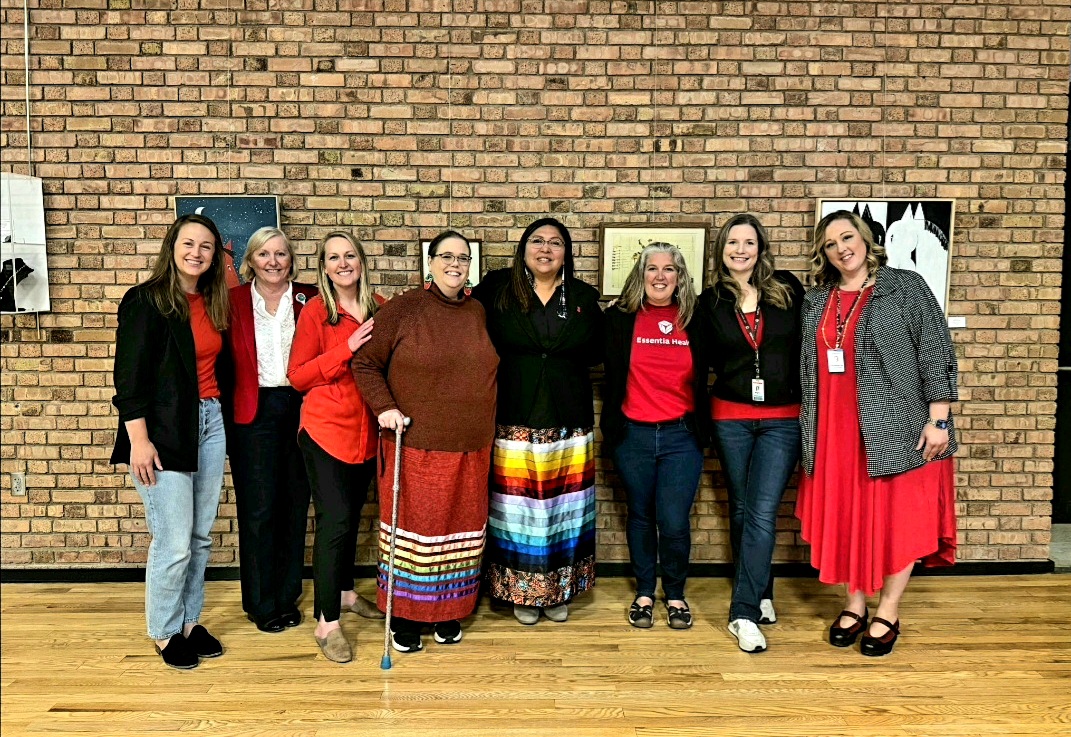
Amber Lee Lightfeather, MSPH, CMA (AAMA), has built a distinguished career at the intersection of public health, clinical research, healthcare, education, and Indigenous community leadership. Based in Duluth, Minnesota, Lightfeather has become recognized for bringing together healthcare organizations, Tribal communities, educators, researchers, and policymakers to improve health outcomes through culturally responsive research, collaborative leadership, and evidence based public health practice.
With nearly two decades of experience spanning clinical medicine, biomedical research, public health, grant development, education, and community engagement, Lightfeather has dedicated her career to addressing health disparities while strengthening trust between healthcare institutions and the communities they serve. Her work reflects a belief that meaningful improvements in health occur when scientific research, cultural understanding, education, and community voices are brought together in partnership.
From Clinical Care to Public Health Leadership
Lightfeather currently serves as a Research and Evaluation Specialist with the Essentia Institute of Rural Health, where she supports research implementation, program evaluation, participant engagement, outreach, grant-funded initiatives, and collaborative partnerships across numerous clinical and community-based health projects.
Her work bridges scientific research with real world community needs. She coordinates research operations, facilitates community engagement, develops evaluation strategies, supports participant recruitment and retention, and helps ensure research initiatives remain culturally responsive while meeting rigorous scientific standards. She works collaboratively with healthcare providers, researchers, Tribal communities, nonprofit organizations, educational institutions, and government agencies to improve health outcomes through evidence-based practice.
Prior to joining the Institute of Rural Health, Lightfeather spent fourteen years as a Certified Medical Assistant at St. Luke's Endocrinology Associates in Duluth, where she provided comprehensive clinical and administrative care for patients with endocrine disorders. During that time, she became known for her exceptional patient advocacy, professionalism, clinical coordination, confidentiality, and commitment to compassionate healthcare delivery.
In addition to patient care, she coordinated physician meetings, managed scheduling and practice logistics, prepared agendas and supporting materials, and contributed to quality improvement efforts that enhanced communication between physicians, staff, and patients.
Academic Foundation
Lightfeather's educational background reflects her commitment to lifelong learning and interdisciplinary public health leadership.
She earned a Master of Science in Public Health from Southern New Hampshire University, a Bachelor of Science in Health Science from Trident University, an Associate of Science in Medical Assisting from Duluth Business University, and an Associate of Arts in General Studies from Fond du Lac Tribal and Community College.
Additionally, Lightfeather has enrolled in a Doctorate in Public Health program through Capella University starting summer of 2026.
Her academic preparation combines epidemiology, health systems, clinical medicine, research methodology, healthcare leadership, and community health, providing a strong foundation for her work in rural health, Indigenous health, and population health improvement.
Contributing to National Clinical Research
Throughout her career, Lightfeather has played an important role in federally supported clinical research initiatives designed to improve healthcare for diverse populations.
She has contributed to major national and regional studies, including:
- the NIH All of Us Research Program
- the ACTIV-6 COVID-19 Clinical Trial
- cardiovascular disease research
- cardiac resynchronization therapy studies
- children's speech and language outcome research following COVID-19
- rural health evaluation projects
- community-based health equity initiatives
Within the All of Us Research Program, Lightfeather supported participant outreach, informed consent, enrollment, retention, and culturally responsive engagement strategies designed to increase participation among historically underrepresented communities. Her work emphasized relationship-building with Tribal communities and improving representation within precision medicine research.
She has also contributed to research focused on improving healthcare access, strengthening community partnerships, evaluating health interventions, and identifying barriers affecting underserved populations throughout rural Minnesota.
Published Scientific Contributions
Lightfeather's work extends beyond research coordination into scholarly publication and scientific dissemination.
She is a co-author of the peer-reviewed article Hydroxychloroquine in Nonhospitalized Adults With Early COVID-19, published in the Annals of Internal Medicine. The publication resulted from a large multi-site clinical trial evaluating hydroxychloroquine as an outpatient treatment during the COVID-19 pandemic and represents an important contribution to evidence-based clinical medicine.
In addition to peer-reviewed publication, Lightfeather partnered with the American Indian Cancer Foundation and Essentia Health to help develop culturally responsive educational materials designed to improve understanding of clinical trials among American Indian and Alaska Native communities. These nationally utilized resources aim to strengthen trust, reduce barriers to participation, and improve representation of Indigenous populations in clinical research.
Her research contributions demonstrate a commitment not only to advancing scientific knowledge but also to ensuring that research is inclusive, culturally respectful, and accessible to communities that have historically been underrepresented in biomedical studies.
Grant Development and Public Health Innovation
In 2025, Lightfeather served as a co-writer of the successful Minnesota Department of Health Substance Use Prevention, Education, and Recovery (SUPER) Grant.
The five year, $2.6 million award supports prevention, education, treatment, and recovery initiatives focused on American Indian communities and urban American Indian youth. Her role included coordinating planning efforts, facilitating collaboration among partner organizations, supporting communication among stakeholders, and helping prepare the successful proposal.
Her grant development experience reflects a growing expertise in translating community priorities into sustainable public health programs supported through state and federal funding.
Championing Indigenous Health Equity
A defining feature of Lightfeather's career has been her unwavering commitment to improving systems that serve Indigenous communities.
Since 2014, she has served as a City Commissioner on the Duluth Indigenous Commission's Education Committee, contributing to initiatives focused on educational equity, cultural representation, Indigenous student success, and community engagement.
Her leadership extends throughout northern Minnesota's educational systems, including service as Chair and Co-Chair of multiple American Indian Parent Advisory Committees and advisory leadership with:
- Duluth Public Schools
- Duluth Edison Charter Schools
- Fond du Lac Ojibwe Schools
- Harbor City International School
She has also served on the World's Best Workforce Advisory Committee for ISD 709, Every Child Ready Duluth Coalition, and the Denfeld Community Schools Program, supporting initiatives that improve educational outcomes, family engagement, early childhood readiness, and culturally informed educational practices.
Through each of these roles, Lightfeather has worked to ensure that Native voices remain represented in educational policy, programming, and decision making.
Inspiring the Next Generation of Indigenous Health Professionals
Beyond her professional responsibilities, Lightfeather is passionate about encouraging Native youth to pursue careers in healthcare, research, and public health. In the summer, she volunteers at SCRUBS Camp at Fond du Lac Tribal and Community College, where American Indian middle and high school students explore careers in health sciences.
During the camp, Lightfeather teaches students about biomedical and clinical research, explaining how research advances medicine, improves patient care, and addresses health disparities affecting Tribal communities. Through hands-on learning experiences and mentorship, she helps students understand the importance of Indigenous representation within healthcare professions and scientific research, encouraging them to envision themselves as future physicians, researchers, nurses, public health professionals, and healthcare leaders.
Building Healthier Communities Through Collaboration
Beyond healthcare and research, Lightfeather has become widely recognized as a coalition builder capable of bringing diverse organizations together around shared goals.
Her leadership has included:
- serving as Chair of the Essentia Health Indigenous Colleague Resource Group
- Vice Chair and Executive Committee member of the Duluth Community Schools Collaborative
- Co-Lead of the Hunger Solutions Lived Experience Leadership Cohort
- grant reviewer for the State of Minnesota
- participant in numerous committees focused on health equity, climate and health, human trafficking prevention, workplace violence prevention, American Indian healthcare access, and spiritual care policies for American Indian and Alaska Native communities
These leadership roles demonstrate her ability to connect healthcare systems, educational institutions, nonprofit organizations, Tribal governments, and public agencies to address complex community challenges through collaboration and shared purpose.
Giving Voice to Community Needs
Lightfeather has also become a respected advocate for policy change.
She has testified before the Minnesota Senate on child hunger, sharing community perspectives and emphasizing the importance of equitable access to nutritious food for children and families. Her testimony reflected her broader commitment to addressing the social determinants of health through public policy, community engagement, and cross sector collaboration.
Her advocacy also includes climate and health leadership training, naloxone Train-the-Trainer education serving Tribal communities, participation in statewide health improvement planning, and support for initiatives addressing substance use prevention, violence prevention, and community resilience.
National and Regional Leadership
Lightfeather's influence extends beyond Minnesota through participation in national research and healthcare organizations.
She has served on committees connected to the NIH All of Us Research Program, including the Tribal Engagement Community of Practice Committee, Cultural Awareness Committee, ACT Board, and Resource Access Board. She has also contributed to the National Kidney Foundation Population Health Committee and Minnesota's State Health Improvement Framework Steering Committee.
Through these leadership roles, she has helped shape discussions around equitable research participation, community engagement, cultural responsiveness, and healthcare access for historically underserved populations.
A Career Defined by Service
Throughout every stage of her career, from medical assisting to public health leadership, clinical research, education, grant writing, and community advocacy, Amber Lee Lightfeather has remained committed to one guiding principle: improving health through relationships built on trust, respect, collaboration, and cultural understanding.
Her unique combination of clinical expertise, public health training, research experience, Indigenous leadership, educational service, and community engagement has positioned her as a respected leader in rural health, Indigenous health equity, and community-based research.
Whether mentoring Native youth at SCRUBS Camp, coordinating nationally recognized clinical research, helping secure funding for community health initiatives, contributing to peer-reviewed scientific literature, testifying before policymakers, or serving on advisory boards and commissions, Lightfeather continues to demonstrate that meaningful change is achieved through service, partnership, and a steadfast commitment to improving the lives of others.
As healthcare systems increasingly recognize the importance of culturally responsive care, equitable research practices, and authentic community engagement, Amber Lee Lightfeather's career stands as an example of how science, public health, education, and Indigenous leadership can come together to build healthier, more inclusive communities for future generations.
Join Influential Women and start making an impact. Register now.