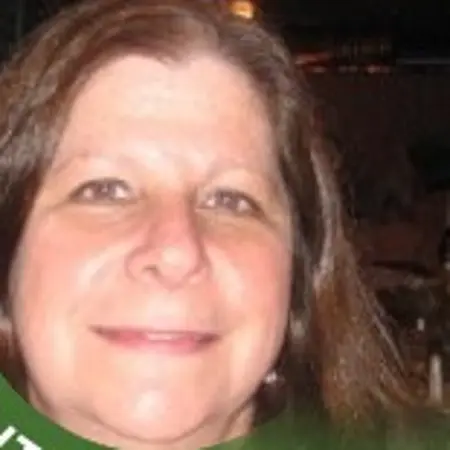
Her Story
About Beth
My career in financial crimes compliance began somewhat by chance over 20 years ago. I had been working in training and development, including teaching at a business school and working for a major conglomerate in the States. When that company divested my group and moved to Florida, I didn't go with them. I then had an opportunity to work for a software company in the financial crime field, specifically AML and Sanctions. To prepare for the interview, I had to do research for a presentation. The company brought me on board to create their training and development for customers. In order to train the customers effectively, I needed to understand why customers needed the software, so I knew what I was training them on, and how to use it. So I immersed myself in the field and it developed and grew from there. I've been doing consulting for a long time, and during the pandemic, I consulted for a bank and was eventually hired by them full-time. That relationship ended in March after 5 years and I returned to consulting. I prefer the consulting because it allows me more freedom to advise and utilize my knowledge and expertise to help other institutions better prepare and enhance their compliance programs. My day-to-day varies from preparing documentation for clients to working with them to configure data and systems. One of my goals with my consulting company has always been to get work for other people and to be able to employ and mentor them, teaching them the ropes so they can get ahead.
Her Interview
Ten minutes with Beth
01What do you attribute your success to?
My success originated through the willingness to do the research, listen to those with some knowledge, and understand and interpret the research and knowledge I was fed, and just keep doing that. It's important to pay attention to changes, what's happening, new regulations - we've had a lot of back and forth these past two years with the current administration. I've always liked the analysis of things, so being able to analyze and identify what something means and putting it into place, being able to interpret it for how programs need to be changed, what needs to be implemented, how things need to be done. You have to be on top of things at all times. You have to be aware of what's changing and evaluate the impacts pretty quickly so you can make updates. When regulations are changed, they usually give you a certain amount of time to implement things, so you have to make sure you do it right, as you can't just implement something - it has to be tested.
02What’s the best career advice you’ve ever received?
The best career advice I have received is probably something one of my original bosses said - be you. That meant be kind, be strong, don't back down, but don't be argumentative. As long as you can defend and support your thoughts and actions, be true to yourself. And many people will "push your buttons." As a woman, men always expect you to become emotional. Do your best not to show that.
03What advice would you give to young women entering your industry?
They need to be strong. They need to be firm. While there are a lot of women in the field, they don't always tend to be listened to. I guess that's always been our problem, right? We're always felt to not know as much as we actually do know, and we also know more than people think we do. So they need to immerse themselves, and they need to be sure of themselves and of what they're talking about. But do the research, do the reading, and don't be afraid to talk to other people and get opinions and interpretations and learn from other people as well. I have always told my two boys, actually they are young men now, that you're never too old to learn. You never stop learning. The minute you stop learning, that's when you kind of fade away. So you have to always be willing to learn and absorb things as much as you can.
04What are the biggest challenges or opportunities in your field right now?
At this time, regulations that many have spent years implementing in their programs properly are being backed out by the current administration. Being able to determine what the best actions are for your institution/company is the biggest challenge. As for opportunities, those exist in being able to determine those best actions, as well. There are always new typologies/activities that we need to watch for. Human Trafficking is a major challenge with the FIFA World Cup, Fraud is a growing challenge. The opportunities related to those are in finding the best ways to identify the risks and mitigate them.
05What values are most important to you in your work and personal life?
Kindness, ability to listen (truly listen!), understanding, appreciation, knowledge, willingness to share...those are important in work and personal life.
Join Influential Women and start making an impact. Register now.