
Her Story
About Christina
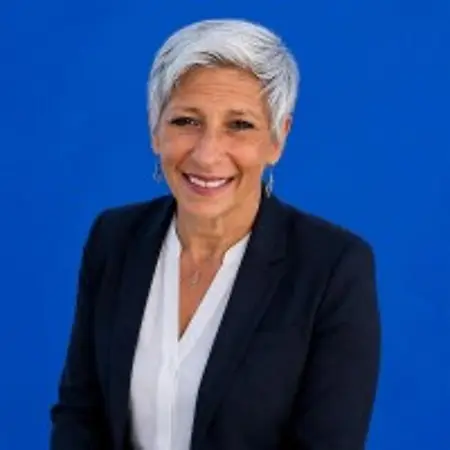
Christina Stillo Gunderman, also known as Tina, is an accomplished project controls professional with more than 30 years of experience managing and optimizing large-scale engineering, procurement, construction, and management (EPCM) projects. She currently serves as Director of Project Controls for the Mid-Atlantic Region at Project Farma, a position she assumed in August 2026. Her career began in 1994 at Foster Wheeler, where she initially worked as a technical aide handling redlined engineering drawings before transitioning into project controls. Over the next 25 years, she developed extensive experience managing cost, scheduling, earned value, and change management for major engineering, procurement, and construction (EPC) projects across the oil and gas, power, and utilities sectors. She later gained valuable client-side experience working with a utility company before joining Project Farma.
Throughout her career, Gunderman has developed expertise in project cost management, scheduling, change orders, risk analysis, forecasting, and project execution. At Project Farma, she focuses on establishing project baselines, developing Work Breakdown Structures, identifying risks, implementing cost control strategies, and ensuring transparent reporting for complex, high-value projects exceeding $200 million. She is particularly skilled at connecting schedules, costs, and earned value data to identify variances, understand project performance, and support informed executive decisions. Her experience also includes global procurement, fabrication, and construction support, working with suppliers and clients across six of the seven continents. As a leader, she prioritizes mentoring junior engineers, training new project controls professionals, and promoting best practices through knowledge sharing, accountability, and open communication.
Gunderman attributes her success to the mentors at Foster Wheeler who helped shape her analytical approach and taught her the importance of understanding the details behind project performance. She also credits her persistence, curiosity, intuition, and commitment to continuous learning. She encourages young women entering the industry to trust their abilities, develop their technical expertise, ask questions, and seek out mentors, particularly in traditionally male-dominated environments. She believes effective leadership means respecting the expertise of others, empowering team members, and sharing knowledge rather than guarding it. Gunderman earned a B.S. in Business Administration from Montclair State University and a B.S. in Business Administration and Management from Thomas Edison State University.
Her Interview
Ten minutes with Christina
01What do you attribute your success to?
I attribute my success to the mentors who have invested in my development and helped me build strong reporting, analytical, and project controls skills. I value the relationships and knowledge-sharing opportunities that have allowed me to learn from experienced professionals and gain a deeper understanding of how projects operate. I also credit my curiosity, persistence, and willingness to understand the details behind project performance. Rather than simply reporting numbers, I make it a priority to understand project history, identify the reasons behind variances, and connect information across schedules, costs, and earned value systems. I believe transparency, proactive communication, and identifying potential issues early are essential to successful project execution.
02What’s the best career advice you’ve ever received?
The best career advice I have received is to remain curious, ask questions, and take the time to understand the work behind the numbers. I have learned that some of the most valuable lessons come from experienced mentors and hands-on experience, not just formal instruction. I also believe knowledge should be shared rather than guarded. It is important to help others learn, appreciate different perspectives, and create an environment where everyone feels empowered to contribute their expertise.
03What advice would you give to young women entering your industry?
My advice to young women entering my industry is to trust your intuition, remain persistent, and have confidence in your abilities. Working in a male-dominated industry can require patience and determination, but you should never feel that you have to diminish someone else to prove your worth. Take the time to learn the technical details, ask questions, understand how projects fit together, and remain open to different project management approaches. Seek out mentors and build relationships with experienced professionals who are willing to share their knowledge. Most importantly, recognize the value of your own experience, believe in what you bring to the table, and never stop developing your skills.
04What are the biggest challenges or opportunities in your field right now?
I see significant opportunities in project controls as demand continues to grow across industries, including data centers, pharmaceuticals, transportation, energy, and infrastructure. Organizations are investing billions in major projects, creating a need for professionals who understand how to establish project baselines, develop Work Breakdown Structures, integrate schedules and costs, and identify risks before they become larger problems. At the same time, one of the biggest challenges is the skills gap between experienced practitioners and newer professionals entering the field. I believe training, mentorship, and knowledge transfer are essential to developing the next generation of project controls specialists. Complex pharmaceutical projects also present unique challenges, particularly with equipment validation, which can affect both schedules and costs. Across all industries, I believe transparency, reliable data, and the early identification of potential issues are critical to keeping projects on track and ensuring successful execution.
05What values are most important to you in your work and personal life?
The values most important to me in my work and personal life are transparency, honesty, persistence, trust, and accountability. I also place great importance on mentorship, knowledge sharing, continuous learning, and respecting the expertise of others. I believe effective leadership means making room for the knowledge and contributions of the entire team. A good leader trusts their people, encourages open communication, and recognizes that their team's expertise makes everyone stronger. I value leaders who are confident enough to learn from others rather than feel threatened by employees who have strong knowledge and experience. Ultimately, I believe strong relationships and successful outcomes are built on mutual respect, trust, accountability, and a willingness to share knowledge.
Join Influential Women and start making an impact. Register now.