Influential Woman · Mental Health Care
Dr. Dawn Harbin, Ph.D., LPC/S, LPC, NBCC, NCC
LPC, NBCC, NCC
Psychologist, LifeStance Health
Na, SC
Her Story
About Dawn
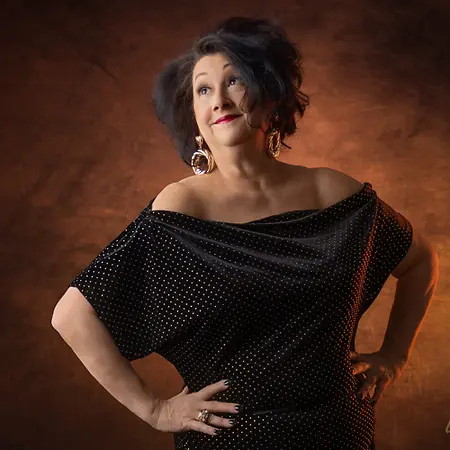
Dr. Dawn Harbin, Ph.D., LPC/S, LPC, NBCC, NCC, is a seasoned mental health professional, author, and clinical leader with more than 22 years of experience in the behavioral health field. Currently serving as a psychologist in private practice with LifeStance Health in Greenville, South Carolina, she specializes in helping individuals navigate mental illness, suicidal ideation, grief, and negative thought patterns. Guided by a strengths-based and hope-focused philosophy, Dr. Harbin is dedicated to helping clients identify their inner resilience, rediscover purpose, and make meaningful life changes. Her passion for counseling emerged early in life, as friends and peers frequently sought her guidance and support, ultimately inspiring her lifelong commitment to psychology and mental health care.
Throughout her career, Dr. Harbin has gained extensive experience across outpatient settings, private practice, and psychiatric hospitals throughout South Carolina. She has held leadership roles, including Director of Outpatient Services and Intensive Outpatient Program Coordinator at The Carolina Center for Behavioral Health, while also supervising and mentoring developing clinicians. Her hybrid practice model combines in-office counseling with telehealth services, allowing her to reach a diverse client population. Dr. Harbin earned her doctorate in Clinical Psychology from Walden University and a master’s degree in Mental Health Counseling from Webster University, building a strong academic foundation that complements her extensive clinical expertise.
Beyond her clinical work, Dr. Harbin is an accomplished author and dedicated community volunteer. She wrote Sending Becky to Heaven, a children’s book that helps families discuss and process grief, and she is currently developing a second book. A longtime volunteer with Project Linus, she has spent nearly two decades creating blankets for children facing illness and hardship. Recognized for her contributions to the community, she was featured on the cover of Anderson Life Magazine in 2013. Outside of her professional endeavors, Dr. Harbin is an avid reader and book collector who enjoys antiquing, collecting blue-and-white china, sewing costumes for neighborhood children, and exploring her passions for cooking, fashion, and design.
Her Interview
Ten minutes with Dawn
01What do you attribute your success to?
I just like people. I really like people, and I like to see people do well. I like to see them progress, and get through some of these things. With mental illness, it can be a severe mental illness, but when I start seeing them doing better, and there's some positives there, and they can say positives, and they look better, you can tell the difference - that drives me. I'm very driven. I'm quite social, and I'm like the office butterfly, you know, I'm all over talking to people, how are you, how's things going, just checking in with people too, making sure that if they have that look, you know, it's like, is everything okay? And we share resources, too. Sometimes somebody will have something good and bring me a copy of something, and I love that. I just love that we're growing all the time.
02What’s the best career advice you’ve ever received?
Probably my oldest brother. He said, you could be sitting in the same spot today that you're in, and 5 years from now, you could be still sitting in that same spot. If you don't put the effort out there, and you don't do what you need to do, and you don't do what you want to do, and follow your dreams, then you'll just be sitting in the same place. So, it's up to you to either do it or not do it. And someone else told me to give myself some grace every once in a while. It's a tough field, you know, and you're dealing with a lot of people and a lot of personalities that you've got to sometimes say, okay, I'm working hard, but you gotta give yourself some grace. And I teach that to the clients, too. Give yourself some grace, you know, life is not easy for anybody. And you could have millions of dollars, you're still gonna have problems. I also learned about affirmations - have some affirmations that you enjoy, put them where you're seeing them. And another piece of advice somebody gave me was always tell the clients that you are not like bipolar, your name is not like John Bipolar, your name is John, whatever, you have bipolar, just like any other illness. It is something you have, it is not you personally. So, don't tag it like that.
03What advice would you give to young women entering your industry?
Work hard. That would be the main thing. Figure out how far you want to go with it. Do you just - are you going to get a bachelor degree? Are you going to get a master's degree? Are you going to get a PhD? Where are you going? What do you want to accomplish? What do you want to do? And make yourself a roadmap, and then when you start, just keep going. Don't look back, don't look at anything as a failure, just keep going. That's the biggest thing, and you have people in your corner that you can go to and talk to colleagues. I'm also a supervisor, so I do see new clinicians when they're at that point where they have their master's and then they're taking their licensure and getting into the field. I just tell them, go easy, go slow, think about what you're doing, and when you're working with someone new, think about if you were that person, you were that client on the other side, and especially when we diagnose. Go gentle with them. Give them - let them know that you're there for them, and you diagnose low. Low and easy, start, you know, maybe depression, anxiety, go easy, or maybe anxiety, especially if you're not sure what's exactly all going on. But you don't go full force, you just go easy, and that will help you along the way. Because if you were that person, you wouldn't want someone to do that to you.
04What are the biggest challenges or opportunities in your field right now?
Frustration at times, when you feel like - I think when a client is not making progress, and everything you're doing doesn't seem to be working, I think that would be some frustrations there. Of course, working long days like that, you have to find time. We were just talking the other day with some of the younger clinicians about that work-life balance. How do you balance that out? What do you do when you get home? How do you wind down after a long day? Right now, there's a lot going on in the field, and COVID was very difficult on so many people. It just changed how people interact with each other.
05What values are most important to you in your work and personal life?
Being honest, being genuine. I don't put on a face or pretend I'm somebody. I am very vocal. I'm friendly to everyone, I try to greet the - even if the clients aren't mine, I greet them, and hello, how are you? Or they'll say, there you are, a fancy dressed lady again. I think being true to yourself, and being honest with yourself, and working hard, doing everything you can to achieve what you're trying to achieve, and it will happen. Just don't ever give up on yourself. You've got to stick it out, no matter how rough it is, no matter how hard, no matter how many tears you have, or what quarter it is, and oh, I'll never get this done. You just have to stick in there and not let anybody else influence you. You've got to do what you set out to do, but being honest and being yourself, being genuine, I think, are the biggest ones.
Keep Exploring
More Influential Women · South Carolina

Join Influential Women and start making an impact. Register now.