Explore how organizations can harness the strengths of Baby Boomers, Generation X, Millennials, and Generation Z to create a thriving, inclusive workplace that drives innovation and enhances productivity through intentional intergenerational collaboration and respect.
Verified Member
Influential Woman · Public Relations
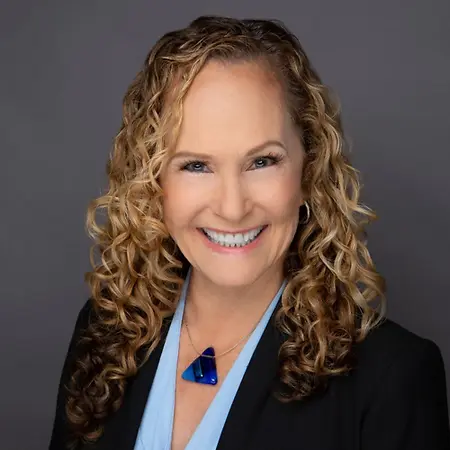
Ellen Crane, APR, Fellow PRSA
Strategic Public Relations Counsel, Ellen Crane APR, LLC
Fort Lauderdale, FL 33064
1Article published
2Awards received
“
There's no such thing as work-life balance. Integration is the key. I schedule "me time" just like a meeting: it's on my calendar and is rarely broken.
Ellen Crane, APR, Fellow PRSA · In Her Own Words
In Conversation
Ellen Crane for Bold. Brilliant. Unstoppable.
Read the transcript
Ellen Crane, APR, Fellow PRSA: Being part of influential Women is such a unique opportunity to network with other professional women and make friends that you would have never otherwise met.
What's one piece of advice you would give to younger women chasing their dreams?
Ellen Crane, APR, Fellow PRSA: My advice to younger women is to stop trying to create a perfect work-life balance cause it doesn't exist. The only way to create harmony in your life is to understand that work and life are integrated and sometimes one takes over more than the other. Take the time to take care of yourself because when you're healthy and happy, then you are better able to integrate both your work and your personal life.
Full transcript available
Her Story
About Ellen
Ellen Crane, APR, Fellow PRSA, is an accomplished public relations strategist, executive coach, and communications leader with decades of experience helping organizations strengthen their reputations, build meaningful relationships, and achieve sustainable growth. As President of Ellen Crane APR, LLC, she partners with corporate, nonprofit, healthcare, legal, and professional services organizations to develop strategic communications initiatives that elevate visibility, foster credibility, and drive business results. In addition to her consulting practice, she is the founder of Women Elevated, where she coaches purpose-driven women seeking greater balance, fulfillment, and confidence in their personal and professional lives.
Ellen's career spans both corporate leadership and entrepreneurship, giving her a well-rounded perspective on organizational communications. During the first half of her career, she held leadership roles with globally recognized organizations including Alcoa, American Airlines, Hill & Knowlton, and Cancer Treatment Centers of America, where she led strategic public affairs, executive communications, media relations, and national partnership initiatives. For the past two decades, she has successfully led her own public relations firm, providing strategic counsel to clients ranging from real estate companies and law firms to healthcare organizations and nonprofits. Her expertise includes media relations, crisis communications, corporate partnerships, thought leadership, integrated marketing, and reputation management.
A respected leader in the communications profession, Ellen is Accredited in Public Relations (APR) and has been inducted into the prestigious PRSA College of Fellows in recognition of her significant contributions to the industry. Her career has been shaped not only by professional achievement but also by personal resilience, including raising three daughters and overcoming cancer, experiences that inform her authentic leadership and coaching philosophy. Through her work, Ellen remains committed to helping organizations and individuals communicate with purpose, build trust, and create lasting, positive impact in their communities.
Her Interview
Ten minutes with Ellen
01What do you attribute your success to?
Raising three strong daughters and building lasting relationships with friends and colleagues.
02What’s the best career advice you’ve ever received?
Build authentic relationships and keep them.
03What advice would you give to young women entering your industry?
Nurture your business and personal relationships, as these people will be your support and guiding light for your entire career.
04What are the biggest challenges or opportunities in your field right now?
Ageism and the lack of personal connections in an overwhelmingly tech-heavy world.
05What values are most important to you in your work and personal life?
Family and Integrity
Her Content Hub
Articles by Ellen
The Magic of Multigenerational Teams
Why organizations thrive when they bring together employees from different generations and life experiences.

The Value of a Multigenerational Workforce
Look around most corporate offices today. What stands out?
Cubicles and remote desks are filled with young people—often women—eager to work long hours for less pay in order to advance their careers.
The public relations industry provides one example. According to the U.S. Bureau of Labor Statistics, women make up 70–75% of the workforce in public relations firms across the country, and up to 45% of employees are between the ages of 22 and 30. While these young women bring significant value to their firms, the full potential of both employees and organizations cannot be realized when there is such an imbalance in age and experience. There is no substitute for experience.
Fortunately, more organizations are recognizing the value of maturity and long-term industry experience. The strongest and most innovative organizations in any field are often those that embrace diversity in all its forms, including age and experience.
"An organization that does not discriminate ... isn't just a better place to work, it's one that works better," writes Ashton Applewhite in This Chair Rocks: A Manifesto Against Ageism. "Enlightened employers understand the value of an intergenerational workforce and want staff members who can easily connect with customers of all demographics."
Effective communication becomes especially important in multigenerational workplaces because each generation may have different goals, priorities, and expectations. Strong leaders work to understand these differences, and organizations invest in training that helps employees communicate effectively across generations and personalities.
Generation Z employees may prioritize learning and making meaningful contributions, while Millennials may be more focused on pursuing parallel careers or maintaining side hustles. Generation X employees often value stability and work-life balance. To accommodate this range of priorities, flexible work arrangements and an understanding of each employee's individual needs are essential.
Characteristics of Each Generation
A December 2024 article in the International Journal of Academe and Industry Research, "Multigenerational Workforce and Organizational Performance: A Convergent Analysis," by Chilufya C. Chiwisa and Mubanga Mpundu, outlines characteristics commonly associated with each generation.
- Baby Boomers (1946–1964) are characterized by ambition, ingenuity, and collaboration. They are often described as competitive, ambitious, and dedicated to professional success. In the workplace, they contribute experience, leadership, and a strong work ethic.
- Generation X (1965–1980) is recognized for adaptability, self-sufficiency, and independence. Members of this generation often view change as normal and are known for their global perspective, pragmatism, casual demeanor, and commitment to work-life balance. They are generally technologically proficient and adaptable.
- Millennials (Generation Y) (1981–1996) are often described as tech-savvy, collaborative, and values-driven. They bring fresh ideas, strong digital skills, and a commitment to social responsibility. Millennials are also known for their entrepreneurial spirit and independence, often prioritizing job satisfaction, flexibility, and meaningful organizational commitment.
- Generation Z (1997–2012) is distinguished by an entrepreneurial mindset, resilience, and a strong emphasis on social and environmental issues. Generation Z may be the most technologically sophisticated and ethnically diverse generation to date, with an expectation of constant access to information. Social media has significantly influenced this generation's communication style, which is often characterized as informal, independent, and direct, leading some to describe them as the "do-it-yourself" generation.
Sheila Callahan, executive director of the Age Equity Alliance and a frequent contributor to Forbes, has written extensively about the dangers of generational labels, cautioning that they can reinforce stereotypes.
"For marketing and sales teams worldwide trying to connect to audiences, demographic profiles only indicate what people are, not who they are or how they behave," she writes in her Forbes article, "Making Marketing Better: How Values Are Disrupting Demographics."
In another article, co-authored with Daniel Jolles, "The Case For and Against Using Generational Labels, From 'Gen Z' to 'Boomers,'" they wrote:
"Any use of generational labels in research, no matter how benign or accurate, will likely fuel stereotypes."
Therefore, effective workplace communication depends not only on understanding generational trends but also on recognizing the unique needs, values, and motivations of each individual.
Regardless of which communication strategies an organization adopts, buy-in from senior leadership is essential to creating an age-diverse culture where every employee feels valued, regardless of age.
To recruit a truly multigenerational workforce, some organizations combine traditional internships for early-career professionals with returnships that help experienced professionals re-enter the workforce.
At Unilever, reverse mentoring programs pair younger employees with senior executives who want to strengthen their digital skills or gain insights into emerging trends. Deloitte, meanwhile, has developed policies that address generational differences through flexible work arrangements, individualized professional and leadership development, and tailored career paths.
Employee Resource Groups (ERGs), now common in many organizations, also help build stronger intergenerational relationships. Celebrating employees at every stage of their careers is another effective way to foster inclusion and workplace harmony.
"Organizations can benefit from increased adaptability to change, as different generations can collaborate to merge traditional and modern practices," wrote Chiwisa and Mpundu. "Effective management of such diversity can lead to higher employee engagement and retention by recognizing and leveraging the strengths of each generation."
Their study concluded with several recommendations.
Organizations should establish modern human resource management practices that effectively engage a multigenerational workforce by promoting leadership styles that are flexible, inclusive, and responsive to the needs of a diverse workforce.
They also recommend developing:
- Strong formal and informal communication throughout the organization.
- Meaningful collaboration between younger and older employees.
- Ongoing training and continuous professional development for employees at every career stage.
They concluded:
"Understanding generational cohort differences and recognizing areas of collaboration and potential conflict can help employers think through their particular workplace dynamics. Fostering respect and communication among employees of diverse ages enables organizations to harness individual strengths and enhance productivity. Moreover, trust is essential for fostering intergenerational cooperation."
They further noted:
"Effectively managing a multigenerational workforce can significantly enhance organizational performance by tapping into the unique skills and perspectives that each generation brings to the table. By fostering an inclusive work environment and addressing potential challenges proactively, organizations can optimize their workforce for sustained success."
Join Influential Women and start making an impact. Register now.