
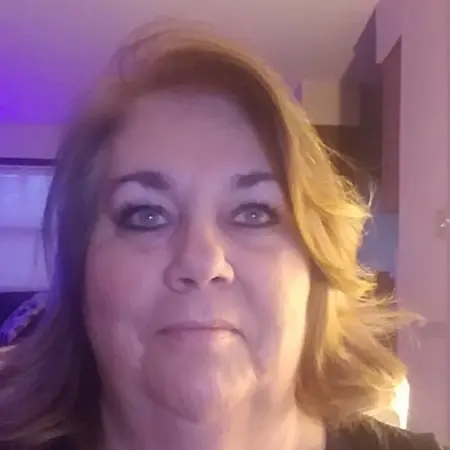
Her Story
About Julie
Julie Scadden is a seasoned emergency medical services professional with more than 32 years of experience in prehospital care, EMS administration, education, and advocacy. Beginning her EMS career in 1994 after completing EMT training through Iowa Central Community College, she later earned her paramedic training through Western Iowa Tech Community College. Throughout her career, Julie has served as a paramedic, ambulance service director, instructor, consultant, and grant writer. She spent more than eight years directing an ambulance service in Dysart, Iowa, and previously held a leadership role with an ambulance service in Mount Vernon, Iowa. In June 2026, she began serving as a Regional Liaison with The Paramedic Foundation, supporting regional EMS development and efforts to strengthen sustainable emergency care systems in rural communities.
Through JKS Consulting / EMS Education and her other professional roles, Julie has developed extensive experience in EMS quality improvement, policy and procedure development, ambulance billing, grant research and administration, recruitment and retention, data management, and strategic planning. She has taught EMS courses since approximately 2001 and has served as an adjunct instructor, conference presenter, textbook co-author, and contributor to EMS educational publications. Her work includes contributions to *Fundamentals of Basic Emergency Care*, Third Edition, and assistance with updates to the EMS National Standards. Julie has also served in leadership and advocacy roles with the National Volunteer Fire Council's EMS Section and other EMS organizations. Her professional commitment centers on strengthening prehospital care, supporting EMS providers, and ensuring that rural and volunteer services have the resources, education, and infrastructure needed to serve their communities.
Julie attributes her success to the mentors who encouraged her, the support of her family, and her enduring commitment to helping others through emergency medical services. She is particularly passionate about advocating for EMS as an essential public service and addressing the challenges facing rural and volunteer agencies. Her involvement has included service with the National EMS Memorial Bike Ride, where she served as route coordinator from 2008 to 2025, as well as advocacy surrounding first-responder mental health and specialized patient needs. Outside her professional responsibilities, Julie enjoys spending time with her family, including her four adult children—three sons and one daughter—and her ten grandchildren. She also enjoys reading, particularly romance and mystery-adventure novels, and has a strong interest in history. Through her leadership, education, and advocacy, Julie continues to work toward a stronger, more sustainable future for EMS and the communities that depend on it.
Her Interview
Ten minutes with Julie
01What do you attribute your success to?
I attribute my success to the excellent mentors who encouraged and guided me throughout my career, the support of my family, and my experience as both a paramedic and an instructor. These experiences have helped me develop the knowledge and confidence to advocate for the EMS profession. I believe advancing emergency medical services is a calling, and I remain committed to using my experience and voice to strengthen the profession and improve prehospital care.
02What’s the best career advice you’ve ever received?
The best career advice I have received is to always remember why I chose to become an EMT in the first place: to help people and continually improve the care I provide to patients. In a demanding profession like EMS, it is easy to become caught up in administrative responsibilities, operational challenges, and system-related frustrations. Remembering the purpose behind the work helps me stay focused on patients and the difference we can make in their lives.
03What advice would you give to young women entering your industry?
My advice is to avoid taking professional disagreements personally and to remain open to different perspectives. In EMS, your opinion will not always be the right one, and it is important to recognize that there is always room to learn and improve. Be willing to listen, accept constructive feedback, and work collaboratively with others. Professional growth comes from understanding that we do not have all the answers and that learning from different viewpoints makes us better providers and colleagues.
04What are the biggest challenges or opportunities in your field right now?
One of the biggest challenges facing EMS today is staffing, particularly in rural and volunteer-based services. Many communities struggle to recruit and retain qualified personnel, and historically, EMS compensation has not always reflected the responsibilities, training, and demands of the profession. These challenges create an opportunity to advocate for sustainable funding, better support for EMS professionals, and stronger systems that allow rural and volunteer services to continue providing essential emergency care. Through my work in EMS administration, grant writing, education, and advocacy, I hope to help communities develop sustainable solutions.
05What values are most important to you in your work and personal life?
Honesty, integrity, and ethics are essential to my work. In EMS, we must be honest about what is happening with our patients and communicate openly with our colleagues. We must also approach every patient without judgment and work to build trust, particularly when people are experiencing some of the most difficult moments of their lives. I believe patients deserve compassion, respect, and honest care, and these principles should guide every professional decision we make.
Join Influential Women and start making an impact. Register now.