
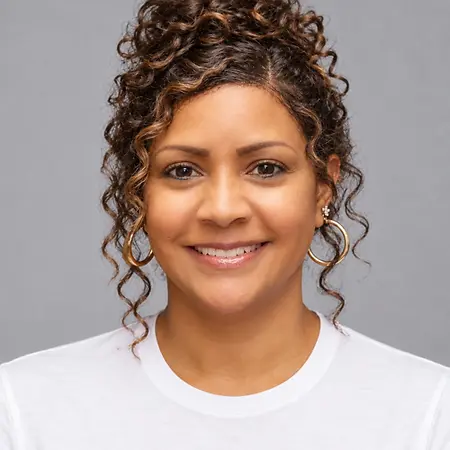
Her Story
About Kimberly
Kimberly Hendricks-Brown, EdD, is an educational leader, consultant, and founder of KHB Educational Leadership Services LLC, based in Fresno, California. With a career in education spanning more than 31 years since 1995, she has served in teaching, school administration, and district leadership roles, including principal, director of accountability and assessment, and principal on special assignment. She currently serves as a Network Facilitator with the California Collaborative for Educational Excellence, supporting a collaborative of local educational agencies focused on improving academic outcomes for African American students through equity-focused leadership and continuous improvement.
Throughout her career, Kimberly has focused on closing academic achievement gaps, strengthening instructional practices, and creating equitable learning environments for all students. As a school principal in Southern California, she led improvement efforts that increased academic outcomes across student groups, with 69.8% of students performing at or above grade level and no identified achievement gap at the school. Her leadership contributed to recognition including California Distinguished School status, Title I academic achievement recognition, and a nomination for the National Blue Ribbon School program. Through her consulting work, she helps school districts identify systemic barriers, strengthen accountability, and implement strategies that expand educational opportunities for African American students and other underserved communities.
Kimberly holds a Doctor of Education from Walden University and a Master of Science in Education from California Baptist University. She is involved in professional educational leadership organizations, including the Association of California School Administrators and the California Association of African American Superintendents and Administrators. Her leadership is grounded in her faith, moral conviction, and belief that educational decisions must prioritize students and their futures. Looking ahead, she advocates for courageous, forward-thinking approaches to education, including the responsible use of technology and artificial intelligence to transform longstanding practices and create new opportunities for learners.
Her Interview
Ten minutes with Kimberly
01What do you attribute your success to?
I attribute my success to my unwavering belief in God and my commitment to leaving a legacy that reflects the values and principles I would have wanted others to leave for me. My faith guides my decisions and reminds me to approach my work with purpose, integrity, and responsibility toward the students and communities I serve.
02What’s the best career advice you’ve ever received?
One of the most important lessons I have learned is that while education may appear to be work anyone can do, changing an educational system is extraordinarily difficult. Meaningful progress requires the courage to address the work that needs to be done, even when others may resist it. I remind myself that our work is not about personal recognition or comfort; it is about creating meaningful learning opportunities and a better future for students. Their needs must remain at the center of every decision.
03What advice would you give to young women entering your industry?
My advice is to be truly courageous. When you have a seat at the decision-making table, you are not speaking only for yourself. You are also representing hundreds of students, families, and community members whose voices may not be present. Recognize the responsibility that comes with leadership, speak up for what is right, and use your position to advocate for opportunities and outcomes that benefit others.
04What are the biggest challenges or opportunities in your field right now?
One of the biggest challenges in education is that the work of improving outcomes is difficult, and the system has not changed its longstanding practices enough to create new opportunities for students. We must be willing to question traditional approaches and move beyond practices that have been in place for generations.
At the same time, I see an opportunity to take meaningful risks and explore innovative ways of teaching and learning. Technology and artificial intelligence offer opportunities to rethink educational practices, address persistent barriers, and expand access to learning. The key is to approach innovation thoughtfully and focus on changes that improve outcomes and create equitable opportunities for students.
05What values are most important to you in your work and personal life?
The values most important to me are integrity, courage, and staying true to my morals and principles. I believe in doing the right thing even when it is difficult, standing up for what I know is right, and being willing to take risks when meaningful change is needed. In education, these values carry an especially important responsibility because our decisions affect other people’s children and their futures. I strive to lead with conviction, keep students at the center of my work, and make decisions that reflect the responsibility entrusted to me.
Join Influential Women and start making an impact. Register now.