I was told art and writing weren't sustainable, but I found my footing on my own, doubling my efforts in my real passions despite others' doubts.
Making Peace With Being Misunderstood
Explore more
Influential Woman · Freelancing
Psychology
Task Master | Experimental Artist | Aspiring Author, Tiger's Den of Creative Magick
Stoneville, NC 27048
Despite everyone's doubts about my focus, I went back to school, earned a scholarship, and I'm maintaining a 4.0 GPA. More motivated than ever!
LeeAnn "Lily" Ericksen · In Her Own Words
I was told art and writing weren't sustainable, but I found my footing on my own, doubling my efforts in my real passions despite others' doubts.
Making Peace With Being Misunderstood
Explore moreHer Story
Lily is a technology professional, creative entrepreneur, and lifelong learner whose career blends analytical thinking with artistic expression. Currently working as a task contributor and QA-focused analyst with Tellus Digital, she helps evaluate and improve artificial intelligence systems by reviewing AI-generated responses, assessing accuracy, conducting research, and documenting findings. Her work reflects a deep commitment to honesty, precision, and accountability, ensuring that emerging technologies provide reliable and trustworthy information. Alongside her professional role, she also works independently as a freelance writer, editor, and artist, demonstrating a unique ability to bridge creativity and technology. Ms. Ericksen's journey into the technology field was largely self-directed. After earning her GED in 2015 and completing coursework at community college, she began freelancing and teaching herself technical skills, including Python programming. Through persistence, continuous learning, and determination, she built a career focused on AI evaluation and digital work. She is currently pursuing an associate degree through Maestro AI Academy and expects to complete her studies by the end of 2027, moving on to their Bachelor's program. Her intellectual curiosity extends beyond technology into psychology and writing, exemplified by her notable academic paper, “Hearing the Bell Without Salivating,” which explored how mindfulness principles can be applied to the concepts demonstrated in Pavlov’s classical conditioning research. Beyond her professional accomplishments, Lily is also a dedicated artist, writer, and mother. She enjoys drawing, painting, and exploring creative projects that allow her to express her imagination and connect with others through storytelling. She is currently writing a novel titled *Chronicles of Bluebell & Mercier's Wandering Troupe*, a project she affectionately refers to as “Project Bluebell.” Balancing her career, education, and creative pursuits while raising four young children, Ms Ericksen exemplifies resilience, discipline, and passion. Supported by her partner and family, she continues to pursue growth in both her professional and personal life, proving that creativity, learning, and determination can thrive together.
Her Interview
01What do you attribute your success to?
I attribute my success to my dad, who's always guided, supported, and encouraged me to pursue my goals in tech. His belief in me and his constant encouragement have given me the confidence & determination to keep learning, growing, and moving forward.
02What’s the best career advice you’ve ever received?
The best career advice I’ve ever received is not to be afraid to apply for a position, even if I don’t meet every qualification. Sometimes your willingness to learn, work hard, and grow can matter just as much as your existing experience.
03What advice would you give to young women entering your industry?
My advice to young women entering this industry is never to allow anyone to tell you what you can or cannot achieve; this isn't a man's world anymore. If you're passionate, willing to learn, and determined to succeed, there is no limit to what you can accomplish.
04What are the biggest challenges or opportunities in your field right now?
One of the biggest challenges in my field is maintaining focus or attention to detail, as many of the tasks can be repetitive and monotonous. Simultaneously, that challenge creates an opportunity to develop discipline, consistency, and a strong commitment to accuracy.
05What values are most important to you in your work and personal life?
The values most important to me in both my work and personal life are honesty, hard work, and determination. I believe that staying true to these principles helps build trust, overcome challenges, and achieve meaningful goals.
Her Content Hub
Exploring NASA's first crewed mission to send astronauts around the Moon in over fifty years, advancing human health research, radiation measurement, and lunar science while preparing for future deep-space exploration.
How NASA's Artemis II Mission Advances Human Health, Radiation Research, and Lunar Science Beyond Earth's Orbit

Human curiosity has long driven exploration, from crossing oceans to studying our planet's interior and venturing into space. Yet for more than fifty years, no human traveled beyond Earth's low orbit, making Artemis II a meaningful return to deep space and a reopening of a frontier left untouched since the Apollo era. Rather than serving solely as a symbolic achievement, the mission demonstrates science as an ongoing process that connects discovery, technology, and human experience.
Launched in April 2026, Artemis II is the first crewed mission of NASA's Artemis program and the first to send astronauts around the Moon in more than five decades. Although it does not include a lunar landing, its approximately ten-day journey is designed to test human capabilities and gather scientific data that will inform future missions to the Moon, Mars, and beyond.
One of the mission's most significant scientific contributions is its examination of how the human body responds to deep-space conditions. Unlike astronauts aboard the International Space Station, the Artemis II crew will travel beyond Earth's protective magnetosphere, where the physical and psychological effects of spaceflight are more difficult to study directly (NASA, 2026). To better understand these effects, NASA's health investigations-including ARCHEr and the Immune Biomarkers study-will monitor sleep, cognition, immune response, and behavior through continuous observation and biological sampling.
These investigations are particularly valuable because they provide rare human data collected in deep space rather than relying solely on simulations or research conducted in low Earth orbit. The findings will help scientists develop safer long-duration missions and improve medical support for future crews (NASA, 2026). In this way, Artemis II serves not only as a flight test but also as an important investigation of human resilience under extreme conditions, laying the groundwork for the mission's next major scientific objective.
Radiation remains one of the greatest challenges of deep-space exploration. Beyond Earth's magnetic shield, astronauts are exposed to higher levels of cosmic radiation that can damage cells and increase long-term health risks (NASA, 2026). To better understand this environment, Artemis II will measure radiation levels both inside and outside the spacecraft, providing scientists with a more comprehensive understanding of the conditions astronauts experience during deep-space travel.
These data will help refine spacecraft shielding, improve mission safety planning, and strengthen preparations for future lunar and Martian expeditions. They also contribute to broader research on the long-term effects of spaceflight on human health (NASA, 2026). By generating this information, Artemis II plays a direct role in advancing safer exploration beyond Earth while supporting the mission's broader scientific goals.
Artemis II also advances lunar science through direct human observation. As the spacecraft travels around the Moon, including its far side, the crew will document surface features and capture high-resolution imagery that may help scientists identify geological formations, terrain variations, and other characteristics useful for future mission planning (NASA, 2026). Human observers can sometimes recognize subtle patterns or anomalies that automated systems may overlook, particularly within visually complex or uneven landscapes (NASA Science, 2026).
These observations may prove especially valuable in evaluating potential landing sites, particularly near the lunar south pole, where water ice and ancient geological materials could provide important insights into the Moon's history and future resource utilization. Together, these findings extend the mission's scientific value beyond flight testing and contribute directly to planning future lunar exploration.
Artemis II also demonstrates that space exploration is a shared scientific endeavor rather than an isolated technical achievement. The mission depends on international collaboration, reflecting the broader reality that many of science's greatest advances emerge through shared knowledge, cooperation, and diverse expertise (The Guardian, 2026).
Its public significance is equally important.
By following the mission, students, educators, and communities can witness science unfolding in real time while seeing how research translates into practical applications (NASA, 2026). In doing so, Artemis II supports STEM education, strengthens scientific literacy, and encourages greater public engagement with exploration, reinforcing the mission's lasting value beyond its immediate technical accomplishments.
Artemis II represents far more than a return to the Moon's vicinity. It is a carefully planned scientific mission that expands understanding of human health in deep space, radiation exposure, and lunar observation while preparing humanity for the next era of exploration (NASA, 2026). By extending crewed spaceflight beyond low Earth orbit, the mission demonstrates that space science is both a technical endeavor and a shared human pursuit with lasting scientific, educational, and cultural significance. In doing so, Artemis II helps lay the foundation for future missions to the Moon, Mars, and beyond while reaffirming that exploration remains one of humanity's most meaningful and enduring endeavors.
Explore how algorithms shape digital platforms and influence society. This article examines algorithmic bias, its effects on creator visibility and income, personalized content filtering, and the need for greater transparency and accountability in automated decision-making systems.
How Algorithms Shape Digital Inequality and Control What We See Online
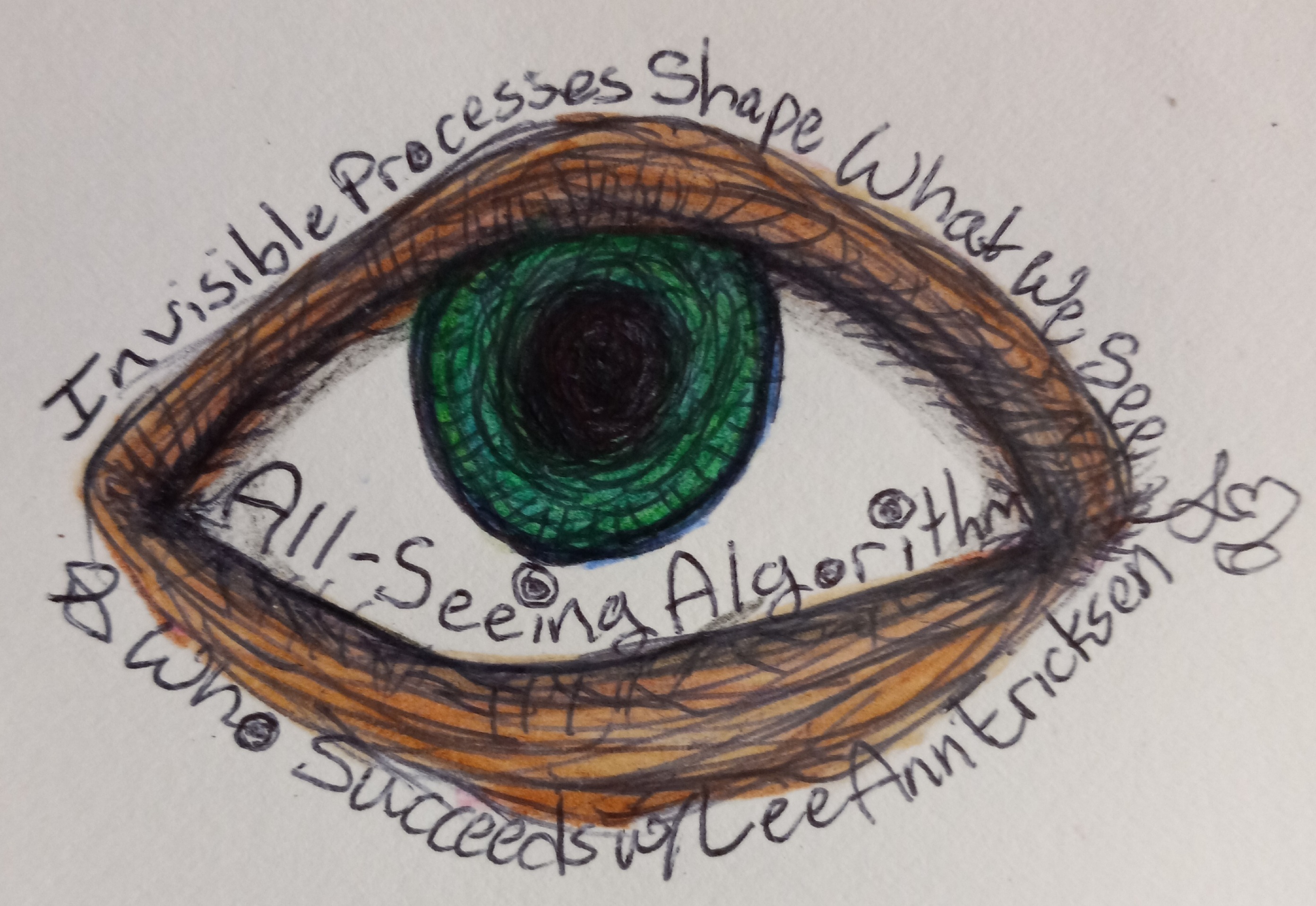
Digital platforms now shape much of everyday life, influencing how people receive news, communicate, shop, learn, and work. Behind these experiences are algorithms-automated systems that sort, rank, and recommend information based on user behavior and platform goals. Although these systems are often described as efficient and objective, they can also reproduce existing inequalities by favoring one voice, behavior, or content type over others. Because algorithms are trained on historical data and designed to maximize engagement, they don't simply reflect the digital world; they actively shape it. As a result, invisible computational systems increasingly affect who gets noticed and who has access to opportunity.
Algorithmic bias occurs when automated systems produce outcomes that consistently favor some groups over others. This bias isn't usually the result of a single coding error. Instead, it often emerges from the data an algorithm learns from and the goals set by the people who design it. Jha argues that artificial intelligence systems often absorb existing prejudices because they are trained on data that reflects social inequality rather than an idealized version of fairness (Jha).
This matters because algorithms do not make decisions in a vacuum. Human beings choose what data to collect, what outcomes to optimize, and what counts as success. If historical data contains inequalities related to race, gender, income, or geography, the system may reproduce those patterns in future decisions. What appears as neutral automation may therefore reflect broader structural bias embedded in technology itself. Since these systems can affect large populations at once, even small distortions can have significant consequences.
Social media platforms use recommendation systems to decide what users see in their feeds. Instead of showing posts in chronological order, platforms rank content according to predicted engagement, such as likes, shares, comments, and watch time. This gives platforms a powerful role in shaping public attention.
Singh and Daman explain that social media algorithms often favor content that triggers strong emotional reactions because such material tends to keep users active on the platform (Singh & Daman). As a result, creators are encouraged to produce content aligned with algorithmic preferences, even if that means leaning toward controversy, trends, or entertainment rather than originality or depth. This shapes the culture of online creation itself.
Algorithms also function as gatekeepers. Creators who understand platform incentives and tailor their work accordingly are more likely to gain visibility, while those producing educational, niche, or experimental content may be overlooked. Over time, this creates a self-reinforcing system: content that performs well early gets amplified, while content that starts slowly may disappear before it has a chance to grow. Visibility becomes uneven, and success increasingly depends on learning how to work with the algorithm.
For many people, digital visibility isn't a matter of popularity; it's directly tied to income. Influencers, small businesses, educators, musicians, and journalists often depend on algorithm-driven platforms to reach audiences. When these systems change, a creator's reach can drop suddenly, affecting both exposure and revenue.
Because most platforms don't fully explain how their ranking systems work, creators often have little insight into why one post succeeds and another fails. This creates uncertainty that can make online work unstable. Jha's discussion of algorithmic bias highlights why this is not only a technical issue but also an economic one, since hidden systems can shape real opportunities (Jha).
The pressure to perform also changes the content people produce. Educational or nuanced material may be simplified to attract attention, while deeper or more complex discussions may be shortened or avoided. In this sense, algorithms influence not only what gets distributed but also what gets created in the first place. Creators learn to write for the platform rather than for their audience.
Algorithms also shape how people receive information. Personalized systems track user behavior and recommend content based on past activity, demographic patterns, and predicted interests. This can make online experiences feel more convenient, but it can also limit the content people actually encounter.
Sáez-Linero, Rodríguez-de-Dios, and Jiménez-Morales show that digital personalization can create unequal informational environments, especially for young users who may not realize how heavily content is filtered. People often receive different advertisements, recommendations, and search results based on their digital profile rather than a shared public standard (Sáez-Linero et al.). This means two users can visit the same platform and still experience very different versions of the internet.
These systems can contribute to filter bubbles, where users are repeatedly shown material that aligns with their existing beliefs and interests. Over time, this can limit exposure to alternative viewpoints and reinforce polarization, often described as echo chambers. The effects are not limited to politics. Personalized systems can also influence access to job listings, education, and financial services, meaning digital inequality can spill into everyday life.
As algorithms gain influence, questions of transparency become more important. Many of these systems are treated as proprietary black boxes, meaning users cannot easily see how decisions are made. This lack of openness makes it difficult to determine whether outcomes are fair or biased.
Jha argues for stronger accountability measures, including algorithmic audits and impact assessments, to help identify discriminatory patterns before they cause widespread harm. These methods would not eliminate all problems, but they could make systems more transparent and assessable. Without some level of transparency, users are left to trust systems they cannot examine.
Design choices also matter. More diverse development teams, higher-quality training data, and fairness-based testing can reduce harm before systems are deployed. Ethical design should not be optional; it must be integrated into the development process from the beginning.
Algorithms now shape much of digital life. They determine what gets attention, which voices become visible, and which opportunities are most accessible. While they can make online experiences faster and more personalized, they also carry the biases of the data and goals behind them. Researchers Jha, Singh, and Sáez-Linero et al. show that algorithmic systems can reinforce inequality, shape economic outcomes, and restrict access to information. As these systems continue to expand into more areas of life, issues such as transparency, fairness, and accountability must become central concerns rather than afterthoughts.
This comprehensive article explores mindfulness as a transformative practice that helps individuals break free from self-judgment and automatic thought patterns rooted in critical early environments, examining its applications across childhood development, therapeutic settings, and modern psychology.
From Buddhist Practice to Modern Psychology: How Mindfulness Breaks the Cycle of Self-Judgment and Transforms Lives
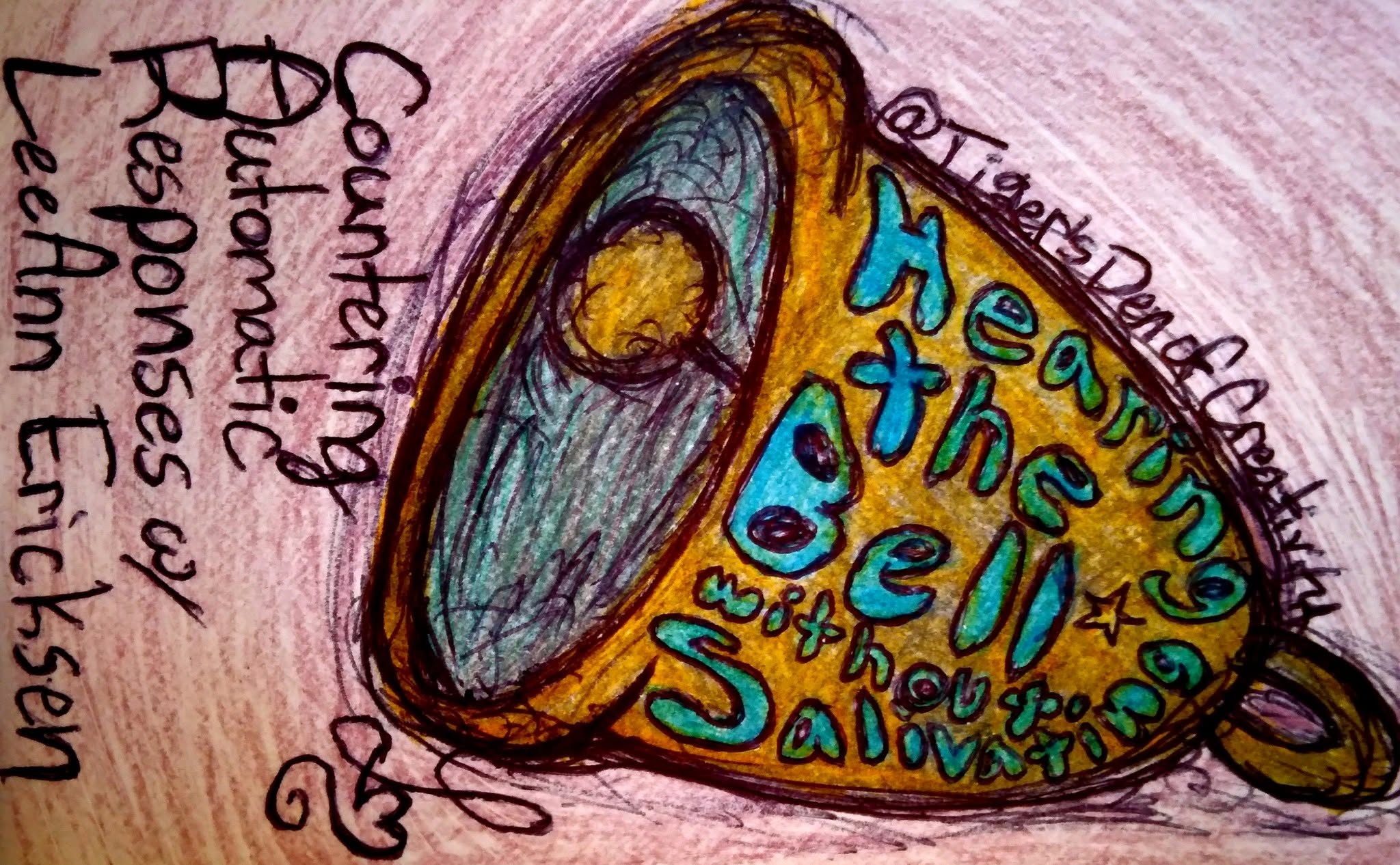
Mindfulness, a practice rooted in Buddhist philosophy and meditation, evolved into a widely recognized therapeutic approach in contemporary psychology. The technique was formally adapted for clinical use by molecular biologist Jon Kabat-Zinn, who created the Mindfulness-Based Stress Reduction (MBSR) program at the University of Massachusetts Medical School in 1971 (Kabat-Zinn, 1990). The widespread popularity of mindfulness in the 1990s further led to the development of Mindfulness-Based Cognitive Therapy (MBCT), which combined mindfulness principles with cognitive behavioral techniques to address a range of psychological issues, including depression and anxiety (Kuyken et al., 2010).
According to the APA Dictionary of Psychology, mindfulness is defined as "awareness of one's internal states and surroundings... applied to various therapeutic interventions to help people avoid destructive or automatic habits and responses by learning to observe their thoughts, emotions, and other present-moment experiences without judging or reacting to them" (American Psychological Association, n.d.). This definition sheds light on the core principle of mindfulness: cultivating an active, non-judgmental awareness of the present moment to break free from habitual, automatic patterns of thought and behavior. Over time, mindfulness has proven effective not only as a therapeutic intervention but also as a tool for enhancing overall emotional regulation, resilience, and mental clarity (Baer, 2003).
MBSR mainly aims to help people manage general stress and physical symptoms through mindfulness meditation, body awareness, and gentle movement, making it well-suited for anyone seeking stress reduction or improved well-being. In contrast, MBCT specifically combines mindfulness with cognitive therapy tools to help individuals prone to depression or anxiety notice and disengage from negative thought patterns, with the primary goal of preventing depressive relapse or managing chronic mood issues. (Kabat-Zinn, 1990; Kuyken et al., 2016)
People raised in environments characterized by judgment and criticism often develop automatic tendencies toward self-scrutiny. Exposure to relentless criticism or elevated expectations during formative years can shape internal dialogues, influencing self-judgment and perceptions of one's thoughts, emotions, and behaviors. This pattern frequently manifests as harsh self-criticism, feelings of inadequacy, and an aversion to taking risks for fear of failure or rejection.
However, cultivating the ability to observe one's emotions and actions without immediate reaction or evaluation enables liberation from these illusory limitations. By acknowledging experiences as they arise, without assigning labels, people create psychological space for growth and transformation (Bishop et al., 2004). Such mindful observation fosters self-acceptance and resilience, facilitating the transcendence of habitual negative patterns and encouraging openness to new opportunities. Ultimately, diminishing the influence of self-judgment cultivates more freedom, creativity, and emotional well-being.
Strict upbringings and judgmental environments are associated with insecure attachment styles, such as avoidance or anxiety, which can emerge in response to harsh discipline or emotionally distant caregiving (Sagone et al., 2023). Research on adverse childhood experiences further reveals that frequent criticism, lack of warmth, or high expectations in early environments disrupt healthy emotional development and foster persistent self-judgment and low self-esteem (Wang et al., 2020). These early experiences not only shape coping strategies but also increase vulnerability to inner criticism and psychological distress into adulthood (Wu et al., 2025).
Building on this, mindfulness serves as a powerful counterbalance to the internalized patterns of self-judgment shaped by early environments. Through consistent practice, people shift from a reactive mode of thinking to a more reflective, compassionate awareness. Neurocognitive research supports this idea, showing mindfulness practices can lead to structural and functional changes in brain regions associated with emotional regulation (Tang, Hölzel, & Posner, 2015).
These changes enhance one's capacity to pause before reacting, to witness thoughts without becoming entangled in them, and to respond intentionally rather than with reflexive self-criticism. This shift is particularly significant for those with perfectionistic standards, as it allows them to disengage from the relentless cycle of self-monitoring. Over time, this mindful engagement nurtures a more accepting inner narrative, in which mistakes and setbacks are seen not as personal failures but as natural aspects of life.
Moreover, cultivating non-judgmental awareness encourages people to develop a more involved understanding of their inner experiences. Rather than suppressing or avoiding uncomfortable emotions, mindfulness fosters the ability to sit with discomfort, which paradoxically reduces its power. This emotional resilience enables people to confront challenges with greater clarity, rather than being overwhelmed by fear or shame (Davidson & McEwen, 2012).
In therapeutic settings, such as MBCT, this principle is central to promoting psychological healing and reducing the recurrence of mental health conditions like depression and anxiety (Linehan, 1993). In everyday life, it translates to increased patience, improved relationships, and a more grounded sense of identity. In essence, mindfulness empowers people to redefine their self-worth independently of external judgments, fostering a more stable, compassionate, and resilient sense of self that is crucial for navigating the complexities of modern life.
The practice of mindfulness fosters not only self-acceptance but also grants access to new opportunities and experiences (Bishop et al., 2004). By silencing the critical inner voice and anchoring attention in the present moment, people cultivate a heightened awareness of unfolding experiences (Baer, 2003). This increased perceptiveness enables recognition of possibilities that may have previously been overlooked, such as acquiring new skills, forming meaningful connections, or appreciating the subtleties of daily life.
Freed from concerns about potential failure, people become more inclined to venture beyond their comfort zones (Davidson & McEwen, 2012). Mindfulness cultivates the confidence necessary to embrace invitations, undertake creative endeavors, or explore paths that once seemed inaccessible (Tang, Hölzel, & Posner, 2015). As curiosity supplants fear, life takes on the character of an ongoing exploration, each moment presenting the potential for discovery, personal growth, and unexpected fulfillment (Baer, 2003).
For young adults, mindfulness is a crucial tool for navigating the complexities of modern life, offering tangible benefits that enhance both mental and emotional well-being. By fostering present-moment awareness, mindfulness effectively mitigates stress and anxiety, redirecting focus away from future concerns or past regrets (Baer, 2003) and promoting a more balanced and serene state of mind. This heightened awareness also facilitates improved emotional regulation, enabling young people to respond thoughtfully rather than impulsively to challenging circumstances, which in turn nurtures healthier interpersonal relationships and sound decision-making.
Furthermore, mindfulness practices sharpen concentration amidst the distractions commonly encountered by young people, thereby contributing to improved academic performance and more effective time management. By incorporating simple mindfulness techniques into their daily routines, people cultivate self-compassion, diminish negative self-talk, and build resilience, fostering greater emotional stability and overall well-being.
Although seemingly distinct, mindfulness and classical conditioning share underlying principles of learned responses. Pavlov demonstrated that a neutral stimulus, when repeatedly associated with an unconditioned stimulus, eventually stimulates responses, even when the unconditioned stimulus is no longer present. (Pavlov, 1927). This idea illustrates how habitual behaviors can be ingrained through repetition.
In contrast, mindfulness practices cultivate awareness of thoughts and emotions in the present moment, enabling people to break free from automatic response patterns. While Pavlov's dogs were conditioned to react reflexively to specific cues, mindfulness encourages people to pause and observe their thoughts before reacting, fostering a more deliberate, measured approach to emotions and external stimuli. Ultimately, mindfulness helps unlearn automatic responses, in contrast to classical conditioning, where behaviors are acquired unconsciously. It emphasizes deliberate intention over instinctive reaction.
In situations where people are overwhelmed by excessive stimuli, the capacity to pause and reflect before reacting with conditioned responses becomes especially valuable. The habitual nature of human behavior, whether in the form of stress responses, impulsive reactions, or maladaptive coping strategies, is often reinforced by modern environments that prioritize efficiency over introspection (Davidson & McEwen, 2012). Mindfulness helps people become more aware of the present moment and respond thoughtfully instead of automatically, empowering them to break free from habitual, conditioned behavior.
For instance, in high-stress professional or interpersonal contexts, mindfulness can help people notice the early signs of emotional escalation and choose a calmer, more constructive response. This shift from automaticity to conscious awareness has profound implications for mental health, workplace productivity, and social harmony.
Mindfulness has also emerged as a valuable tool in supporting childhood development, offering a range of cognitive, emotional, and social benefits. By engaging in mindfulness practices, such as focused breathing, body scans, or mindful observation, children develop greater self-awareness and the ability to regulate their emotions. This increased emotional regulation can lead to reduced anxiety, mood stability, and improved stress responses.
Furthermore, mindfulness supports the development of sustained attention and concentration, which are important for academic success and effective learning (Zins et al., 2004). Socially, mindfulness fosters empathy, compassion, and interpersonal skills by encouraging children to be more present and attentive in their interactions. Introducing mindfulness at an early age promotes mental and emotional well-being, which cultivates lifelong skills in resilience and positive behavior.
Mindfulness helps decondition automatic emotional and cognitive responses by interrupting the link between a trigger and the reflexive reaction (Desbordes et al., 2023; Hölzel et al., 2020). Mindfulness techniques such as noting and body scan encourage people to observe thoughts or sensations without immediately acting on them, increasing awareness and creating space for new responses (Kabat-Zinn, 2025). This mechanism resembles extinction in classical conditioning - repeatedly encountering a trigger without engaging in old responses - weakening the association, yet supporting the emergence of healthier habits (Desbordes et al., 2023; APA, 2019). Research demonstrates that mindfulness practice reduces reactivity and fosters emotional regulation by restructuring neural pathways involved in attention and self-control (Hölzel et al., 2020; Mindful-org, 2025).
Recognizing how mindfulness can counter classical conditioning helps reveal how we may actively interrupt automatic, self-critical thought patterns. Just as Pavlov's dogs were conditioned to salivate at the sound of a bell through repeated association (Pavlov, 1927), people can similarly become conditioned to respond to internal or external stimuli with patterns of habitual self-judgment or avoidance. For example, a child who repeatedly receives criticism for expressing emotion may, over time, develop a conditioned response wherein any experience of vulnerability automatically triggers shame or suppression. These responses were once adaptive for coping with criticism but often persist unconsciously into adulthood.
Mindfulness offers a way to identify and "decondition" these responses by cultivating awareness of the present moment without automatically reacting. This practice enables people to recognize the trigger, akin to "hearing the bell," without automatically engaging in the learned behavior. This intentional pause creates space for new, healthier patterns of response to emerge (Bishop et al., 2004), breaking the cycle of reflexive reactivity and enabling greater autonomy and self-compassion.
Ultimately, the journey of mindfulness from its Buddhist origins to its becoming a cornerstone of modern psychology represents a profound shift in our understanding of mental well-being (Kabat-Zinn, 1990). As pioneered by Jon Kabat-Zinn, the practice of cultivating a non-judgmental, present-moment awareness offers a direct counter-narrative to the ingrained self-scrutiny and fear of failure often learned in critical or demanding environments (Bishop et al., 2004). This essay has demonstrated that by providing a space to observe thoughts without immediate reaction, mindfulness breaks the habitual link between internal criticism and emotional distress, paving the way for self-acceptance and a newfound resilience (Baer, 2003; Davidson & McEwen, 2012).
The significance of this practice extends to the youngest members of society, for whom mindfulness offers a crucial toolkit for navigating modern complexities. By practicing awareness and emotional regulation from an early age, mindfulness equips adolescents to manage stress, sharpen focus amidst constant distraction, and make more thoughtful decisions (Baer, 2003). This practice not only promotes immediate academic and social benefits but also instills lifelong skills that contribute to emotional stability and overall psychological health (Zins et al., 2004; Davidson & McEwen, 2012).
As our world continues to grow fast-paced and fragmented, the simple act of paying attention becomes a radical choice: a quiet resistance to the forces that pull us away from ourselves and others. In this way, mindfulness is both an inward journey and a call to collective transformation. It asks us to consider: What might our lives and societies look like if we approached each moment with greater awareness, kindness, and curiosity?
In essence, mindfulness is more than a technique for stress reduction; it is a fundamental reorientation toward one's inner and outer world. It fosters a robust and authentic sense of self, built on compassion and patience rather than on external validation or conditioned judgments. In doing so, it provides a timeless and powerful pathway to a healthier mind and a richer, more purposeful life. Embracing mindfulness is not just about enhancing personal well-being; it is about shaping a more conscious and compassionate world. The real promise of mindfulness may be its power not only to aid in healing the mind but also to inspire a new way of being, one that values presence, understanding, and genuine connection above all.
Join Influential Women and start making an impact. Register now.