Making Peace With Being Misunderstood
She stopped shrinking herself for approval.



She stopped shrinking herself for approval.

I used to think I had to explain every decision so people would understand my vision. Then I realized that growth will always make some people uncomfortable, and not everyone is meant to understand the season God has called you into. My job isn't to earn everyone's approval, it's to remain faithful to the work I'm building.

Don't wait for the crowd to cheer you on, when you know what you are doing is right. I had to learn if God gives it to me, it doesn't matter who agrees, I'll do it anyway.

When I was 19, I went through some major life challenges that changed the course of my journey. Coming out on the other side of it all, I realized I needed to stop living my life for everyone else. That was the moment I chose to start doing what was best for me, making decisions based on my own growth, happiness, and purpose, rather than worrying about what others thought. It wasn't always easy, but it became the foundation for the person I am today.

I found peace when I stopped measuring the rightness of my decisions by how easily others understood them. Growth requires the courage to honor your vision before anyone else can see where it is leading.

After 40 you stop caring what others think about you. Then after 50 you realize you need to maximize the time you have left and find your bliss.

When I opened my company I was told by everyone it was a mistake and I would not make it. I felt it was the right thing to do because of personal reasons and to keep me busy until I want to retire. We are now 13 months old and doing well. Somedays we struggle but the good days out number the bad days and make our team happy.
Sometimes the strongest decision is the one that only makes sense to you. Your life isn't a group project. Validation is for parking, and others' approval is not verification of my worth.

One of the hardest lessons I've learned is that doing the right thing doesn't always mean everyone will agree with you. I found peace when I realized my responsibility is to act with honesty, compassion, and faith; not to control how others perceive me. My faith reminds me that I'm accountable for my character, not for everyone's opinion of me.

It used to worry me that I was making wrong decisions when people thought I wasn't doing things right. I would second guess myself thinking maybe they knew better or they had more experience than I did. Then I realized that those people had not walked in my shoes and experienced the things I have experienced. They couldn't possibly know what brought me to make the decisions I've made. From then on, I trust my own judgement. I always listen to others' perspective and consider their point of view because, you know it takes a village…. 😊 But I trust I'm making the best decision for me. And if I fail because I made a bad decision, then that is part of the growth process. You pick yourself up, dust yourself off, and try again.

As a superintendent, I make many decisions every day. Sometimes my staff may not understand why I make the decisions that I make. It is because they don't have the full balcony view that I have. Thus, I often tell my leadership team, "As superintendent of this district, I have a different view of the chess board. Thus, I am making this decision based on where I sit at the table. I am not asking for you to understand. I am asking for you to trust me."

I used to over-explain myself trying to earn permission I never needed. Growth started the day I trusted God's clarity over the crowd's approval and gave myself the grace I was waiting on everyone else to give me.
Not everyone will understand the decisions that change your life. They don't have to. Your responsibility is to make choices you can stand behind when no one else sees the full picture.
The defining moment came when I realized I didn't need everyone to understand my choices. I only needed the courage to stay true to my purpose. When I stopped seeking validation and began trusting my purpose, I learned that the most meaningful change is often built long before it is recognized.

I realized growth isn't about convincing everyone you're right. It's about staying aligned with your purpose long enough for the results to speak louder than the opinions.

I used to think if I explained enough, I could persuade anyone. I learned the right people already understand. As a founder with limited time, I had to be strategic about where I spent it.

Once, a screenwriting teacher gave me a book written by Nora Ephron, she was a romantic comedy writer, the "place" for female writers in Hollywood, but I had no interest in writing romantic comedies. I wanted to write dramas, horror, science fiction, action, procedural police investigations, really anything but romantic comedies. Don't get me wrong, I enjoy a good one, but I don't have the instincts to write in that particular genre.

The moment I realized I didn't need everyone to understand my choices was the moment I gave myself permission to live authentically. #LiveLifeByDesign and #CreateYourOwnHappiness aren't just hashtags, but daily reminders that our greatest responsibility is to create a life that aligns with our purpose, not one that simply makes sense to everyone else. True fulfillment comes from living in alignment with that purpose, not from earning the approval of people who were never meant to write your story.

As a superintendent, I spend much of my professional life explaining the "why" behind decisions. Whether seeking board approval, building employee buy-in, or communicating with the public, I have learned that effective leadership requires transparency, communication, and helping others understand the purpose behind or for a decision. In many ways, sharing the "why" is part of the job. What I have also learned, however, is that there is a significant difference between explaining a decision and seeking permission to make it. Early in my leadership journey, I often felt responsible for ensuring that everyone understood and agreed with my choices. I believed that if I communicated clearly enough, worked hard enough, and cared deeply enough, everyone would see the vision. Over time, I realized that growth, change, and leadership often invite criticism, projection, and misunderstanding; not because the decision is wrong, but because people naturally view decisions through the lens of their own experiences and expectations. The moment that shifted my perspective was recognizing that while I often have a responsibility to communicate my reasoning and the data behind a decision, I do not have a responsibility to make everyone agree with it. I can explain the "why," provide the data, share the vision, and lead with integrity, but I cannot allow other people's perceptions to define my purpose. That realization was incredibly freeing. I learned that other people's projections do not define my purpose. Some of the most important decisions I have made, both personally and professionally, were not universally understood at the time. Yet, they were grounded in my values, my mission, and what I believed and knew to be right. Today, I still believe deeply in communication and collaboration, but I also understand that leadership sometimes requires moving forward with courage, even when not everyone understands the path. The goal is not to gain unanimous approval; the goal is to lead with conviction, integrity, and a clear sense of purpose in service to those we have the privilege to lead.

One of the hardest lessons I've had to learn is that being misunderstood doesn't mean you're making the wrong decision. For a long time, I wanted everyone to understand my choices. I wanted people to see my heart, my intentions, and the prayers behind every decision I made. But life has taught me that not everyone will have the full picture—and that's okay. There have been moments when people questioned why I changed careers, why I chose to pursue special education, why I continued writing books while working and serving in ministry, or why I set boundaries in relationships that no longer brought me peace. Some assumed they knew my story because they saw one chapter, but they didn't know the prayers, tears, and conversations with God that led me there. The turning point came when I realized I was spending too much energy trying to explain myself instead of walking confidently in the purpose God had given me. I finally understood that obedience doesn't always make sense to observers. Sometimes God calls you to paths that look confusing from the outside but are perfectly aligned with His plan for your life. I've also learned that people often respond to you through the lens of their own experiences, fears, or expectations. What looks like courage to one person may look like foolishness to another. What feels like growth to you may feel like rejection to someone else. That realization gave me freedom. Today, I no longer feel the need to defend every decision. I choose peace over proving a point. I trust that the people who are meant to walk alongside me will respect my journey, even if they don't fully understand it. Making peace with being misunderstood has allowed me to become more authentic, more confident, and more compassionate. It has taught me to seek God's approval before anyone else's and to remember that purpose is not determined by public opinion. If there's one thing I hope other women take away from my journey, it's this: You don't need everyone's permission to become the woman God created you to be. Keep growing. Keep trusting. Keep walking. Those who are meant to understand will. And those who don't are not responsible for your calling. Sometimes the greatest act of courage is continuing to move forward—even when you're misunderstood.

I realized not everyone needed to understand my choices when I became more committed to following God's direction than seeking people's approval. Obedience often requires faith before affirmation, and I've learned that His purpose is enough; even when others don't understand the path.
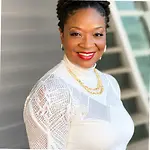
It wasn't just one moment. It was the constant pressure for me to seek approval. I no longer negotiate with misunderstanding; I chose alignment instead, and if it's aligned, I move. I explore this journey further in my ebook, Selah Executive Guide: For Women Who Lead with Clarity, Purpose, and Undeniable Presence.
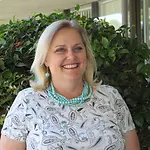
The moment I realized that not everyone needed to understand my choices was when I made the decision to move more than 3,000 miles away from my family and friends for my job. For me, it wasn't just about professional opportunities. It was also about creating a better quality of life and a brighter future for my special-needs teenager. The decision was not easy, and for a long time my family was hurt, angry, and struggled to understand why I would make such a significant move. But sometimes, doing what is best for yourself and for the people who depend on you requires taking a risk and trusting your instincts, even when others don't agree. Over time, they came to see the positive impact of that decision and recognized that it was the right choice; not only for my daughter and me, but ultimately for everyone. It taught me that I don't need everyone's approval to move forward with a decision made out of love, responsibility, and hope for a better future.

We're biologically wired to want approval, but trying to make everyone understand your vision is a quick path to decision/solution fatigue. The most liberating shift I ever made was realizing my choices don't need to make sense to anyone else's nervous system as long as they bring peace to mine.

It's not about being right for them, it's about trusting & listening inside.

My therapist taught me that my trauma was beyond 'normal' comprehension, so I stopped seeking validation from others and focused on forcing the system to hear the reality of my survival. By choosing to invest seven years in my own healing rather than waiting for empathy, I turned my pain into a platform to ensure other survivors are heard, believed, and protected.

Making peace with misunderstanding is learning that your truth does not shrink because someone else cannot see it.

One of the biggest lessons I've learned is that not everyone will understand the systems, boundaries, or intentional pace behind a luxury floral studio—and that's okay. I stopped needing people to agree with my choices when I realized I wasn't building a business to produce the most arrangements; I was building one where every design feels personal, every client feels cared for, and quality is never sacrificed for quantity.

I don’t wait for someone to tell me what needs to be improved. I look for the gaps, take initiative, and turn ideas into results.

After small-town New Jersey life stifled my individuality and creativity, I relocated to the Las Vegas Valley with my husband. Some family members never accepted this move, which brought me new and exciting career opportunities as an author.
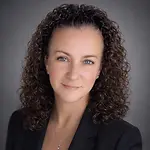
The moment I realized not everyone needed to understand my choices in order for them to be right for me was when I accepted a role I didn't have much experience in. It felt uncertain and uncomfortable at times, but I trusted that I could learn, grow, and rise to the challenge. Growth rarely happens in places where we already feel comfortable. I chose to trust my work ethic, my ability to learn, and the belief that experience can be gained but courage has to come first. Looking back now, I'm grateful I stopped waiting for validation and started trusting myself. That decision became proof that sometimes the opportunities that stretch us the most become the ones that change us the most.
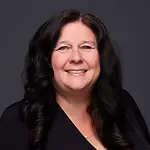
Leadership taught me that people will often assign motives to decisions they don't understand. During the COVID vaccine mandate discussions, I was judged for defending employee choice, not because of my personal beliefs, but because I believed my responsibility as a leader was to make decisions that respected both individual rights and the organization as a whole.

Women are often taught to explain their confidence before they're allowed to express it. The moment I stopped needing everyone to understand my choices was the moment I realized I wasn't responsible for managing other people's perceptions, I was responsible for protecting my integrity. Confidence comes when your values become louder than their opinions.
I've grown by learning to trust my instincts and make decisions with confidence, even when others didn't immediately understand the choices I made. I'm comfortable knowing that there is often more than one path to a successful solution, and that different perspectives and approaches can lead to the same successful result, and embracing those differences often creates stronger outcomes and new opportunities for growth.

One of the most freeing lessons I've learned is that understanding isn't a prerequisite for purpose. The moment I stopped seeking permission for my vision and started trusting the path God placed before me was the moment I truly began building the life and businesses I was meant to create.

Building a diverse path, from creative consulting and wellness brands to exploring IT, taught me that being truly brave means trusting a blueprint only you can see. Walking fully in a healed space requires owning your vision without waiting for anyone else's permission or understanding.
The day my 12th-grade special education teacher told me that I would "never amount to anything" after a verbal disagreement with her. Little did she know she gave me the greatest gift that day. Her comment changed my life forever. I became more focused and confident, and created my success story. Her mean nature became my driving force.
One of the greatest lessons I've learned is that not everyone will understand your vision, and that's okay. As a single mom, healthcare leader, and real estate investor, I've made decisions that others questioned because they couldn't see the bigger picture. I realized I didn't need permission or validation to pursue the life I wanted. Growth requires courage, and sometimes the people who misunderstand your choices simply haven't experienced the journey you're called to take. Today, I let my results speak louder than opinions.

The moment I stopped explaining every decision was the moment I started living more authentically. My choices don't need universal understanding, only alignment with who I am.

They said, "She wanted us fired." They said, "She's lazy." They said, "She promised me the promotion and lied." The truth: I never said, wanted, or acted in those ways. If I've learned anything after years of being misunderstood and misinterpreted, it's that you have to know and care for yourself-realistically-more than any other person (with the exception of, maybe, hopefully, your mom). Second-have people whose judgment you trust unwaveringly that you can call when you can't see yourself or situations clearly.
True conviction means recognizing that the loudest opinions often come from the least informed. I've learned that protecting my vision requires thick skin, selective silence, and the understanding that my choices don't require public consensus to be correct.

Too many adults told me to set my sights lower growing up; that art & writing weren't sustainable and I should secure my place in the military, but I found my footing on my own. I failed the Army physical, so I ended up doubling my efforts in my real passions and found some adults were easier to convince of my skills than others.

Discernment is the quiet realization that you've outgrown the need for validation. Understanding isn't a prerequisite for respect, conviction requires no audience, and the right decisions require no consensus.

I stopped measuring my decisions by how well they were understood and started measuring them by how closely they aligned with my values. Growth began when I realized misunderstanding is often the price of choosing a path that hasn't been walked by others. The moment I stopped seeking permission to pursue my purpose, I found the freedom to become who I was created to be.

Making peace with being misunderstood gave me the freedom to focus on my purpose instead of other people's opinions. Not everyone has to understand your path for it to be meaningful. Sometimes the most important work you'll ever do is the work that only you feel called to do.

The moment I realized not everyone needs to understand my choices as a nonprofit founder was huge for me. Some people think I'm "doing too much" for having a policy where we interview everyone, but we believe there's more to a person than a resume or an application. Others think it's harsh that we have a two-cancellation policy where you can't volunteer again for the rest of the year. But deep down, I know these policies protect our inclusivity, our mission, and our event team from unnecessary stress. We can't operate events without volunteers, and by skipping interviews, we may lose out on a great candidate who not everyone's great with resumes or typing out thoughts. Not everyone will agree with your decisions, and that's okay. You should always do what's best for your nonprofit.

One of the most freeing lessons I've learned is that not everyone has to understand your path for it to be the right one. Growth often requires making decisions that make sense to your values before they make sense to anyone else.
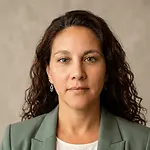
When we founded Arzani Consulting, our baby had just been born. At the time, we were living in a small rural town of barely 1,000 people, nearly 500 kilometers from Buenos Aires, Argentina. There were no large corporations, no modern office buildings, and certainly no clients waiting for us. What we did have was a dream, an unwavering work ethic, and the courage to start from nothing. Starting a business is never easy. Starting one in a town where everyone knows everyone else brings an entirely different challenge. People questioned our decision to build a technology company in such a small community. Some believed there simply wasn't enough opportunity. Others assumed it wouldn't last. Over time, I realized something important: We didn't need everyone to understand our vision. We only needed one person to believe in us. That first opportunity came from a small local business. Then another followed. And another after that. Those first clients became the foundation of everything we would eventually build. They trusted us long before we had an impressive portfolio or years of experience to showcase. They recommended us because we kept our promises. They called us at every hour of the day—and we answered. For years, we lived by one simple principle: Our clients should never feel alone. We were available 24 hours a day, 365 days a year. Some service calls meant riding my bicycle through the town with a backpack full of tools to repair a computer, troubleshoot a network, or fix a printer. Today, it sounds almost nostalgic. Back then, it was simply the only way to serve our customers. Every visit became an opportunity to prove that trust is built through consistency, not advertising. While others saw a tiny rural town, we saw a community. While some questioned our commitment, we kept showing up. While many believed success could only happen in big cities, we learned that great companies are not born because of where they begin. They are built through small promises honored every single day. Years later, our journey brought us to Indiana, where Arzani Consulting continues to grow while staying true to the values that shaped us from the very beginning. Looking back, I now understand that making peace with being misunderstood was one of the most important lessons of my entrepreneurial journey. Not everyone understood why we worked late into the night. Why we answered calls on weekends. Why we kept investing in our dream when success seemed so far away. And that's okay. Because the people who truly mattered never judged where we started. They simply remembered that whenever they needed us, we were there. Today, I believe entrepreneurship isn't about convincing everyone to believe in your vision. It's about believing in it yourself long enough for your results to speak louder than your explanations. Technology, businesses, and even countries may change. But integrity, commitment, and showing up for people never go out of style. "People may not understand your decisions while you're making them. One day, they'll understand your results. The distance between the two is called perseverance."

"Be Bold. Be Unstoppable. You're Remarkable." is more than a tagline, it's a call to action. It reminds every woman that her voice matters, her leadership has value, and her potential has no limits. In transportation, trucking, and supply chain, success belongs to those who have the courage to step forward, lead with confidence, and never allow obstacles to define their future.
People only know what they know or what they heard. They cannot predict the outcome of your vision, you owe it to yourself to find out :)

I came to this realization when I had my daughter and understood that she would be watching not only what I said, but the choices I made. I knew I did not want to apologize for who I was or fit into someone else's mold. I wanted to show her the possibilities, not the limitations, and teach her that sometimes moving forward means trusting your instincts, taking the leap, and choosing your own path, even when others do not understand.