
Influential Woman · Law
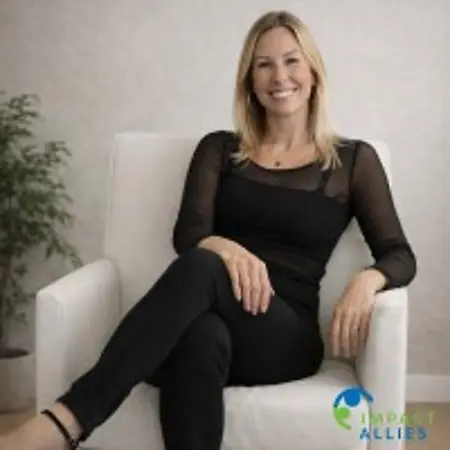
Leslie Lampe, M.Ed., J.D.
Founder, Impact Allies, LLC
Algona, IA 50511
Her Story
About Leslie
Leslie Lampe, M.Ed., J.D., is an attorney, educator, researcher, and nonprofit founder based in Algona, Iowa. Her professional career has taken her from special education classrooms and school leadership to the practice of law, nonprofit development, and youth legal-literacy research.
A first-generation college student who grew up on a dairy farm, Leslie began her professional career in education. She earned two master’s degrees, one in Special Education and another in Educational Leadership, and worked as a special education teacher, university adjunct professor, and elementary school principal. Her training included differentiated instruction, behavioral and learning disabilities, educational assessment, school administration, and evaluating student progress. Those experiences continue to influence how she approaches legal education, organizational development, and youth advocacy.
In 2021, Leslie earned her Juris Doctor from Mitchell Hamline School of Law. After practicing business law, she founded Impact Allies Law, LLC in 2023 to work with nonprofit founders and organizations. Her practice includes nonprofit formation, governance, board education, strategic planning, and organizational development. Drawing on her experience as both an educator and attorney, Leslie helps organizations understand their legal responsibilities while developing the leadership practices and programs necessary to carry out their missions.
Leslie also founded the Legal Learning Institute™, a nonprofit dedicated to youth legal literacy, prevention, diversion, and applied research. She began developing the ideas behind its Just In Time and Just In Case programs while attending law school. As an educator, she had spent years learning how to identify instructional gaps, adapt teaching methods, assess understanding, and help students apply what they learned. She began questioning why young people are often expected to understand legal rules and consequences without receiving the kind of deliberate instruction educators know is necessary for learning.
Today, that question guides her work at the Legal Learning Institute. Leslie develops educational programs that help young people recognize how legal rules apply to everyday situations, understand the consequences of their decisions, and practice using that knowledge when circumstances become complicated. Her research and program design incorporate differentiated instruction, communication, moral development, assessment, and an understanding of adolescent behavior. She is also trained in the Process Communication Model®, which informs her work with youth, families, and organizations.
Leslie's commitment to youth advocacy extends to her service on Iowa's Juvenile Justice Advisory Committee, where she contributes her experience in education, law, and community-based prevention.
Outside her professional work, Leslie values time with her husband and children. She enjoys traveling, biking, hiking, and spending time outdoors. Her upbringing on a dairy farm, her experience as a first-generation college student, and her husband's encouragement have all played important roles in the life and career she has built.
Through her work, Leslie continues to explore how the methods educators use to teach, measure learning, and improve instruction can be applied to legal literacy, juvenile justice prevention, and the development of stronger nonprofit organizations.
Her Interview
Ten minutes with Leslie
01What do you attribute your success to?
Much of my continued success comes from my husband's unwavering support and the perseverance and determination I learned early in life.
At 13, I knew I wanted a future beyond working on a farm or in a factory. My first factory job at 18 reinforced that determination and confirmed my decision to pursue a college education.
Throughout my career, opportunities have often come with additional responsibilities and demands on my time. Recognizing their potential made those challenges worthwhile, and learning to manage my time effectively allowed me to pursue opportunities that might otherwise have passed by.
Looking back, perseverance, a willingness to keep learning, and the encouragement of a husband who has always believed in me have contributed most to my success.
02What’s the best career advice you’ve ever received?
Early in my administrative career, someone gave me a copy of Jeff Olson's The Slight Edge. At the time, I had no idea how much that book would influence my approach to personal and professional growth.
One of Olson’s observations has stayed with me. People dedicate years to their education, investing considerable time and effort into earning a degree, but often stop making learning a priority once they graduate. Eventually, they become frustrated when their personal or professional growth begins to slow.
The concept behind The Slight Edge is simple: consistent, small efforts accumulate over time. Continuing to read, learn, and develop new skills creates opportunities for growth in our personal, professional, and spiritual lives.
That advice has become especially meaningful at this stage of my career. Years of hard work have provided the knowledge, experience, and opportunities I have today. While that experience may make some things easier, continued growth still requires effort.
The lesson I've carried with me is that the habits that got me this far will keep me moving forward. There is always something more to learn, and I've never wanted graduation or reaching a professional milestone to be the point where that learning stops.
03What advice would you give to young women entering your industry?
My advice to young women entering the legal profession is to identify what genuinely interests you and explore how a legal education might let you pursue those interests in ways you hadn't considered before.
When I entered law school, I already had an established career in education. I had worked as a special education teacher, school administrator, and adjunct professor. I knew I wanted to become an attorney, but I had a fairly traditional understanding of what practicing law would look like. I didn't yet appreciate how many different ways I could use my law degree.
After law school, I spent several years figuring out where I fit within the legal profession. I practiced business law and eventually established my own firm, where I began helping people form and develop nonprofit organizations. I enjoyed working with people who wanted to turn their ideas into something meaningful, and that work eventually led me back to education.
The ideas for what would become the Legal Learning Institute actually began while I was in law school. It took several years for me to see how my background in education, leadership experience, and legal training could come together in the work I wanted to do. Today, I'm developing youth legal-literacy and prevention programs that draw on everything I've learned throughout my career.
Looking back, I value every degree I've earned and the professional experiences that followed. Some opportunities led directly to the next step, while others helped me discover what I wanted to pursue differently.
My advice is to give yourself permission to explore the possibilities your law degree creates. You may enter the profession with one idea of what your career will look like and eventually discover an opportunity that fits you even better.
04What are the biggest challenges or opportunities in your field right now?
One of the biggest challenges I see is how difficult it can be to introduce new ideas into established systems. Whether working in law, education, or nonprofit development, I've found that identifying an opportunity for improvement is often much easier than figuring out how to put it into practice.
At Impact Allies Law, I work with people who have remarkable ideas to help their communities. I've helped establish athlete-led foundations, organizations supporting local libraries, and other charitable initiatives. One challenge I see is that founders often underestimate what happens after their nonprofit receives IRS approval. Building an effective board, understanding financial responsibilities, developing programs, and planning for long-term sustainability all require attention. I've become increasingly interested in helping organizations through those stages of growth.
I'm also exploring an opportunity in juvenile justice that draws heavily on my educational background. As educators, we know how to identify learning gaps, differentiate instruction, and measure whether students understand and can apply what they've been taught. Yet we don't consistently use those same educational practices when teaching young people about legal rules and consequences. Through the Legal Learning Institute, I'm developing programs that apply those methods to youth legal literacy, prevention, and diversion.
Networking and collaboration are especially important at this stage of my career. Working with nonprofit founders, educators, attorneys, and community leaders has introduced me to opportunities that I wouldn't have encountered working within one profession. I'm interested in continuing to build those relationships, particularly with people who bring practical experience and different perspectives to the challenges I'm working to address.
I think some of the greatest opportunities ahead will come from recognizing where the knowledge and experience from one field can be useful in another.
05What values are most important to you in your work and personal life?
Integrity, honesty, kindness, and empathy are values I try to carry into every part of my life. I believe in treating people with respect, being honest even when conversations are difficult, and recognizing that we don't always know what someone else is going through.
Trust matters to me, both personally and professionally. Throughout my career in education, law, and organizational leadership, I've learned how much depends on trusting the people around you. I value people who take responsibility for their work, follow through on their commitments, and make good decisions even when no one is watching. I hold myself to those same expectations.
I also believe that kindness and accountability can exist together. It's possible to have difficult conversations, set high expectations, and hold people responsible while still treating them with dignity. That belief has influenced how I've worked with students, led teams, and developed relationships throughout my career.
Ultimately, the values that matter most to me are reflected in how people treat one another, particularly when circumstances are difficult and doing the right thing requires a little more effort.
Join Influential Women and start making an impact. Register now.