Discover how heritage language learners transform writing through personal storytelling, amplifying their voices and recognizing the power of their lived experiences in the classroom.
Her Story
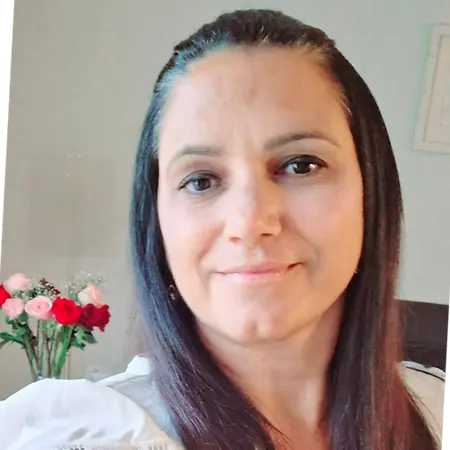
About Lia
I am an educator with 15 years of experience in bilingual education, specializing in language learning, multilingual learners, and culturally responsive pedagogy. I earned a Master of Arts in TESOL and currently teach at a high school in North Carolina, where I lead heritage language classes, advise the Latino Club, and serve on the School Improvement Team.
Before entering education, I practiced law in Argentina for three years after completing my law degree. I later transitioned fully into teaching, driven by my passion for language, equity, and student-centered learning. I also recently served as a mentor for pre-service teachers at the University of North Carolina Wilmington, supporting the next generation of educators through classroom-based coaching.
Originally from Argentina, I moved to the United States to pursue my commitment to education and multilingual communities. I see myself as a role model for young women, especially those navigating cross-cultural and professional pathways.
Her Interview
Ten minutes with Lia
01What do you attribute your success to?
I attribute my success to perseverance, persistence, and determination, as well as a strong belief in myself and in others. I value giving back to my community and remaining open to feedback and constructive criticism as essential parts of continuous growth and learning.
02What’s the best career advice you’ve ever received?
The best career advice I’ve ever received was that I should take ownership of my own life and choices. Someone once told me they were proud of me for beginning to lead my own life, and that idea has stayed with me ever since. Living your own life—making decisions with intention and independence—is something truly powerful. I try to pass this on to my students by encouraging them to think critically, trust their judgment, and gradually take responsibility for their own decisions as they grow.
03What advice would you give to young women entering your industry?
My advice to young women entering this field is to believe in your own potential and stay committed to your goals, even when challenges arise. Follow your dreams with determination, make the most of every opportunity, and don’t be afraid to step outside your comfort zone. Growth often happens in moments of uncertainty, and persistence is key. Trust yourself, keep learning, and remember that meaningful progress takes time.
04What are the biggest challenges or opportunities in your field right now?
One of the biggest challenges in my field today is addressing the growing diversity of classrooms while ensuring that all students, especially multilingual learners, receive equitable access to rigorous academic content. Educators are also navigating increasing demands related to curriculum standards, assessment, and the integration of technology in meaningful ways.
At the same time, these challenges present important opportunities. There is a stronger focus than ever on culturally responsive teaching, heritage language education, and student-centered approaches that value linguistic and cultural identities. This creates space for innovation in curriculum design, collaboration across disciplines, and the development of more inclusive instructional practices that better support all learners.
05What values are most important to you in your work and personal life?
Empathy, integrity, and equity are the most important values that guide both my work and personal life. I strive to bring empathy into my interactions with students and colleagues, ensuring that I understand and support their individual experiences. Integrity is central to how I teach and make decisions, as I believe consistency, honesty, and accountability build trust. Equity is a core commitment in my classroom practice, where I work to ensure that all students have access to meaningful learning opportunities and that diverse voices and identities are valued and respected.
Her Content Hub
Articles by Lia
Heritage Writing for Student Voice: Centering Identity Through Personal Narrative in the Multilingual Classroom
How Personal Narrative Projects Amplify Student Voice and Cultural Identity in the Classroom
The Power of Student Storytelling
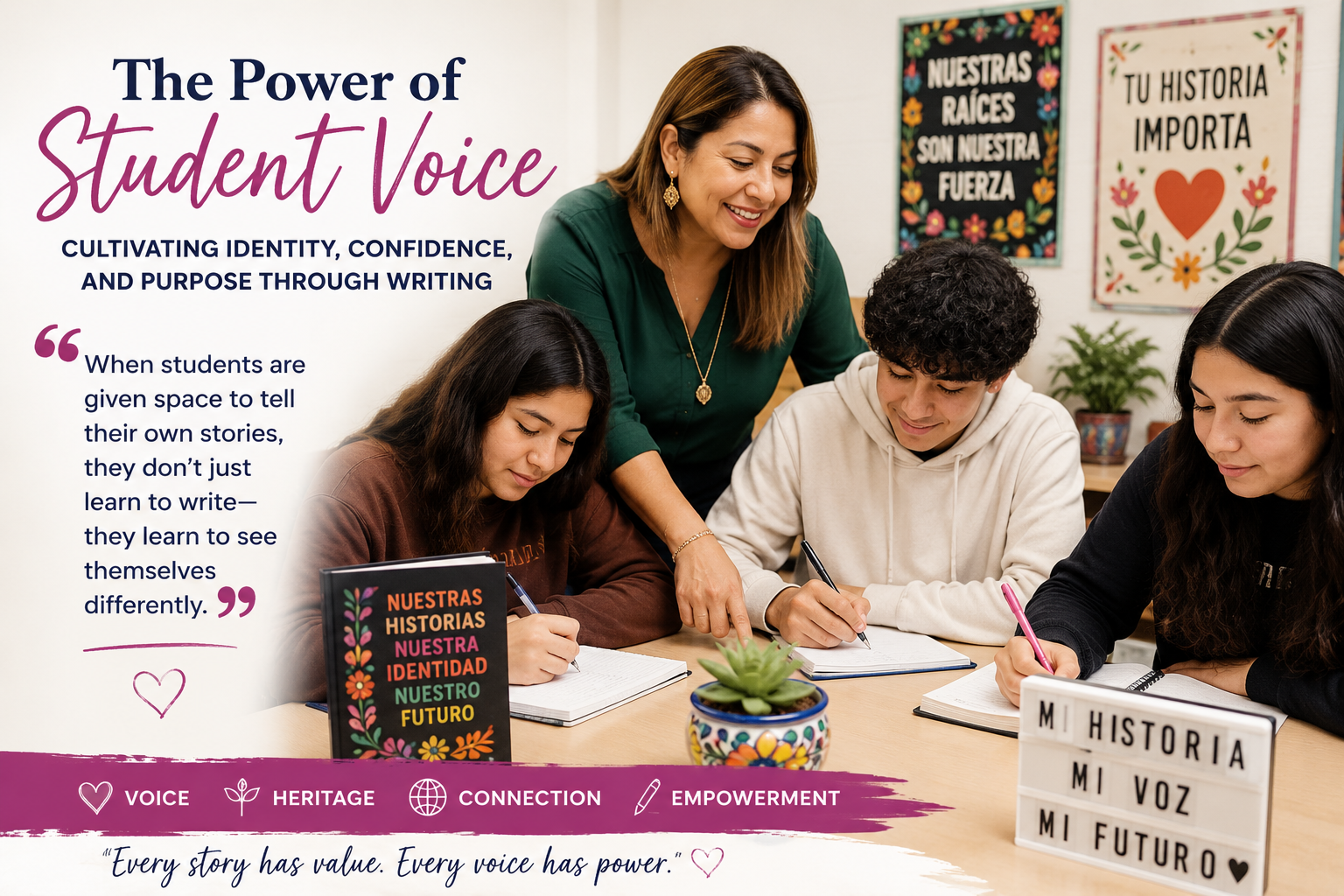
"When students are given space to tell their own stories, they don't just learn to write-they learn to see themselves differently."
Heritage language learners bring powerful cultural and linguistic assets into the classroom, yet traditional writing assignments often fail to fully reflect their identities and lived experiences. In my work as a bilingual educator, I have seen how storytelling can transform writing from an academic requirement into a meaningful act of self-expression.
In my Heritage Spanish I and II Honors classes at a multilingual high school, I designed a multi-week writing project centered on personal narrative. Students explored themes such as family history, cultural traditions, migration, and identity through structured stages of brainstorming, reflection, drafting, peer feedback, and revision. The goal was not only to strengthen academic writing skills but also to amplify student voice.
As part of the project, students were encouraged to submit their work to the Raíces National Essay Contest, sponsored by Vista Higher Learning, which celebrates Hispanic culture and community connections across the United States. Offering students the option to write in either English or Spanish increased accessibility and allowed them to express their identities in the language that felt most meaningful to them.
What I witnessed was powerful: increased engagement, deeper reflection, and a stronger sense of ownership over their writing-even among students who had not previously seen themselves as writers.
This experience reaffirmed my belief that education is most impactful when it centers student voice. When young people are given the tools, support, and trust to tell their own stories, they begin to recognize the value of their experiences-and the power they hold within them.
Join Influential Women and start making an impact. Register now.