Discover S.M.A.R.T. Hygiene™, a practical framework that simplifies everyday hygiene practices. Learn how informed choices about cleanliness, based on 35+ years of expertise, can boost confidence without complexity or fear.
Her Story
About Lisa
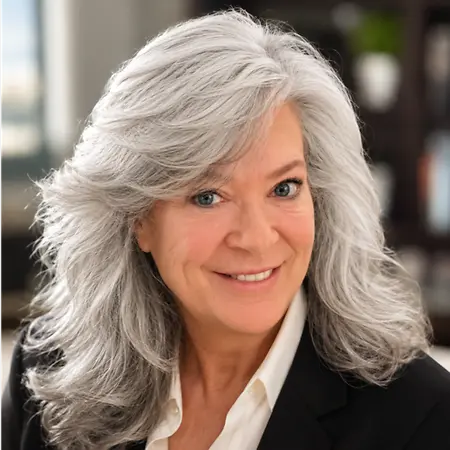
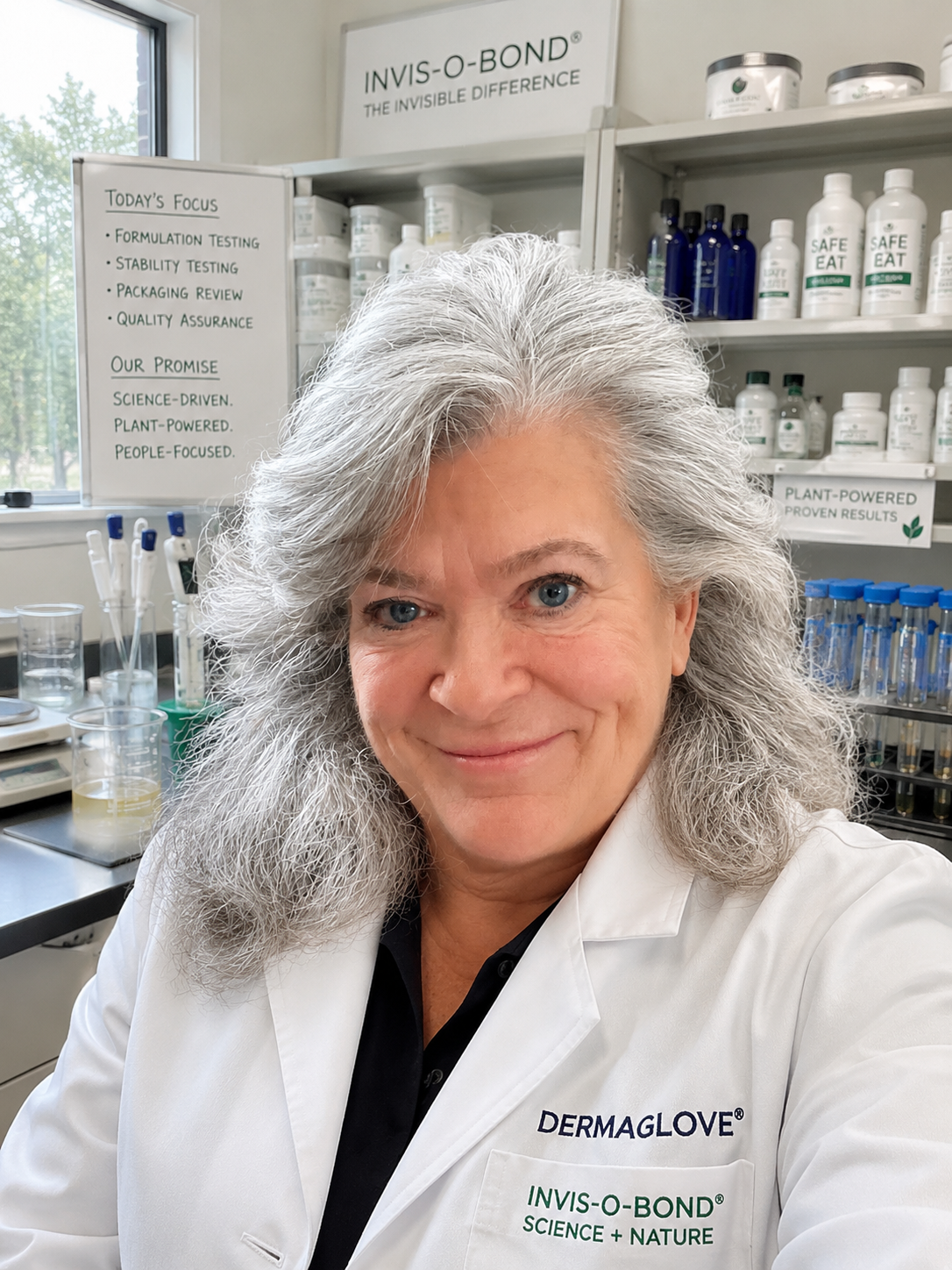
Lisa Levison is a hygiene and environmental health professional with over 35 years of experience in professional hygiene, facility remediation, and cross-contamination prevention. She started in the industry in 1989 while working in facility design and services, recognizing the need for hygiene practices to extend the life of furniture, carpeting, walls, HVAC systems, and buildings rather than replacing them. This led to contracts such as one with the state of Florida under a recycling clause. Over time, she expanded to large facilities across Florida and Georgia, including work for the FAA, Delta Airlines, and aquariums, developing customized approaches that prioritize smarter, less chemically intensive methods. In 2009, she developed Dermaglove, a sanitizer that kills germs while leaving an invisible, vitamin-infused barrier to protect and nourish skin. She is a certified indoor environmental consultant and emphasizes continuous learning, questioning protocols, and creating better solutions for skin, health, and environmental wellness.
Her Interview
Ten minutes with Lisa
01What’s the best career advice you’ve ever received?
I had to learn this the hard way. Don't ever assume that just because you believe it that you're right. Stop, look, listen, listen to what other people have to say, research it, investigate it, and question, and make sure. Question even yourself. And just because someone is confident doesn't mean that they're right, but it also doesn't mean you need to argue their position. I'm never going to be someone who doesn't open up my ears, doesn't close my mouth when I need to, and I'm not afraid to understand better ways, or to understand there might be a different way.
02What advice would you give to young women entering your industry?
That's what you learn by doing it. Doing it yourself. Ask the questions. Always listen, and I think be willing to change direction when the evidence tells you. And again, I keep going back to this, but that is what's gotten me here, and I believe my own advice has made me successful, and I've also not gotten boxed in to an idea, I continue to grow, and I think that as we all learn more about, you know, our bodies, skin, the environment, as long as we're open to learning and understanding that You know, there's... there's always knowledge out there that you might not know. Incorporate it. Understand it, and if you can bring it in to be better, then do that. But don't just, because you've created a widget, think your widget is the best, and just be so focused on selling your widget that you close the door to learning.
03What are the biggest challenges or opportunities in your field right now?
Now that people are starting to understand what I believed a long time ago, and what I've been preaching for years. When Purell came out and said, we need to put 60... at the time, it was 68% alcohol... my point with that, from the get-go, was sanitize great, but we're not understanding what we're putting on the body, and that's going to have effects after repeat use. It is going to have some detrimental effects. I was asked to speak to the Joint Commission... I stood up and I said, I agree with you. I've got a product, I've developed this product, and I believe that if we could incorporate remediation into the handheld protocols then we could alleviate the problem... Johns Hopkins, Wake Forest, and Cedars, stood up and said, we'll fund you, we'll back you. And so, that's when Dermaglove, that was in 09, is when Dermaglove first came about.
04What values are most important to you in your work and personal life?
For me, I don't ever want to stop. I don't ever want to think of myself as someone who doesn't need to stop, listen and learn, and that's what's gotten me to where I am today. And I love learning, and I love questioning, and if I believe something can be done better, I want to figure out how to do that. And I'm not someone that just accepts, because this is what we do, this is the protocol, this is how it's done, this is what you need to do. If I believe that it's detrimental to the skin, or to the wellness, or health of a human, the environment, an animal, I'm gonna stand up, and I'm not gonna just stand up and protest. I'm going to do what it takes to prove or learn what I need to, and try to incorporate a better way to fix the issue, not just say, this is an issue, we can't accept this.
Her Content Hub
Articles by Lisa
Why Better Hygiene Begins With Better Everyday Choices
Making everyday hygiene smarter, not harder—a practical framework for informed choices.
For over 35 years, I have worked in hygiene across homes, businesses, and facilities where mistakes can have serious consequences.
One of the most important lessons I have learned is surprisingly simple: Good hygiene does not have to be complicated.
We are constantly encouraged to do more: clean more, sanitize more, buy more, add steps, and try new products. But more isn't necessarily smarter.
We all practice hygiene daily, often without thinking. We wash our hands, prepare food, clean our homes, care for our skin, use our phones, work, travel, shop, dine out, and care for children, parents, and pets.
Every one of those activities involves choices. That is why I believe better hygiene starts with informed everyday choices, not fear or perfection.
Hygiene Is Personal
No single hygiene routine fits everyone. A healthcare worker who practices hand hygiene repeatedly throughout a shift has different needs from someone working from home. A parent preparing meals while caring for children and pets experiences a different set of interactions from a frequent traveler moving through airports, hotels, restaurants, and shared spaces. Our environments, skin, and routines all differ.
Instead of asking people to do more, we should help them understand what matters, when it matters, and what fits their lives.
I call that S.M.A.R.T. Hygiene™. I developed this framework, drawing on decades of experience, to make everyday hygiene easier to understand and practice.
S - Simple
If a hygiene routine is unnecessarily complicated, people are less likely to maintain it. Simple doesn't mean careless. It means identifying what matters and building straightforward habits around it.
At home, this may involve focusing on frequently touched surfaces and food preparation, rather than feeling compelled to clean everything constantly. For personal hygiene, it means knowing when to wash, when to sanitize, and how to fit these practices into your routine.
The goal is not more steps, but better steps.
M - Manageable
A hygiene routine has to work in real life. People juggle careers, families, travel, pets, appointments, errands, and many competing demands. If a hygiene practice only works in ideal conditions, it is unlikely to become a habit.
Make the better choice the easier choice. Keep essential items where you use them. Establish routines that fit naturally into cooking, working, traveling, and caregiving.
Good hygiene should not take over your life. It should fit into your routine.
A - Accessible
People should not need to be hygiene experts to make informed decisions. Consumers face an overwhelming amount of information: ingredient lists, product claims, instructions, warnings, trends, and sometimes conflicting advice. We can make hygiene more understandable.
Before using something, consumers should be able to answer basic questions:
- What is this intended to do?
- Where should I use it?
- When should I use it?
- Is it appropriate for my skin, home, or situation?
- What shouldn't I combine?
Knowledge supports accessibility. People make better choices when they understand their options.
R - Reliable
Hygiene depends upon trust. We need to trust the products and processes we use and understand their intended purpose.
Reliability also means recognizing that different tasks may require different solutions. What suits a kitchen surface may not suit your hands. Occasional hand hygiene requires different skin-care considerations than frequent hand hygiene.
Smart hygiene isn't about finding one answer for everything. It is about choosing reliable solutions suited to each task.
T - Thoughtful
This may be the most important part of the framework. Know what you are using, where you are using it, and why.
Thoughtful hygiene isn't excessive, reactive, or fear-driven. Stronger isn't automatically smarter. More isn't automatically better. And repeating an action more frequently doesn't necessarily make it more appropriate.
Sometimes washing is the right choice. Sometimes sanitizing is. Sometimes the important next step is supporting skin that has experienced both repeatedly.
Thoughtful hygiene means considering the person, product, purpose, frequency, and environment, rather than simply increasing intensity.
Home, Body, and Beyond
I encourage people to consider hygiene in three areas of daily life.
HOME is where we have the most control. We decide what enters our homes, which products we use, how we handle food, and what routines we establish.
BODY is personal. Our skin, hands, needs, and daily hygiene practices differ. Personal hygiene should reflect these differences.
BEYOND includes all environments outside our control, such as workplaces, schools, stores, restaurants, airports, hotels, public transportation, and shared spaces.
We cannot control every person, surface, or environment we encounter. Nor should we try. However, we can control our preparedness and the thoughtfulness of our responses. That isn't fear. It's awareness.
The Most Powerful Hygiene Tool May Be a Habit
Products matter. Science matters. Technology matters. But none of them replace human behavior.
A product left unused in a cabinet does not improve hygiene. A complicated routine that is quickly abandoned does not either.
Habits have the greatest impact on everyday life. And habits begin with individual choices.
After more than three decades in this field, my goal is not to encourage obsession with hygiene. In fact, the opposite is true. I want people to feel more confident about their hygiene practices.
- Understand what matters.
- Ask better questions.
- Choose thoughtfully.
- Develop habits you can maintain consistently.
- Recognize that you have more control than you may realize.
Because smarter hygiene doesn't begin with doing everything.
It Begins with Knowing What Makes Sense and Consistently Making That Choice.
Simple. Manageable. Accessible. Reliable. Thoughtful.
That's S.M.A.R.T. Hygiene™. And it starts with you.
Join Influential Women and start making an impact. Register now.