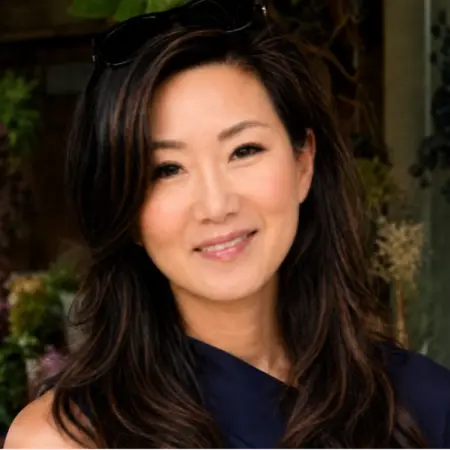
Her Story
About Rosa
I currently serve as Executive Assistant to the Global Head of Carlyle AlpInvest, a $107 billion private markets platform within Carlyle and one of the firm's most successful business segments. In this role, I focus on strategic executive support, client relationship management, stakeholder engagement, and helping my executive maximize her time and impact. I also bring a creative element to the role through communications, presentations, and design projects that support both internal and external initiatives.
What makes my career path somewhat unconventional is that I spent most of my life as a professional classical musician before transitioning into finance. I trained at The Juilliard School and the New England Conservatory and performed professionally in Europe before making a complete career pivot. People often ask how a musician became an executive assistant, but I've found that many of the skills developed through music—discipline, preparation, adaptability, attention to detail, and performing under pressure—translate remarkably well to the business world.
For me, this transition was never a fallback plan. It was an intentional and empowering choice that allowed me to grow in new ways, develop a broader skill set, and bring a unique perspective to leadership support in a global organization.
Her Interview
Ten minutes with Rosa
01What do you attribute your success to?
As an immigrant, I think my perspective was shaped early on by watching my parents build a life from the ground up after we moved from Korea to the United States. Success never felt optional—it was something that required hard work, resilience, and personal responsibility.
In many ways, I believe there is value in not having every advantage handed to you. While I was fortunate in many respects, I learned the importance of creating opportunities for myself rather than relying on them to appear. There is a unique sense of confidence that comes from building something through your own effort. It teaches independence, strengthens resilience, and gives you a deeper appreciation for what you achieve because you know exactly what it took to get there.
02What’s the best career advice you’ve ever received?
I've always believed in giving more than people expect. It's a principle that has served me well throughout my career and has helped me build trust, strong relationships, and a reputation for excellence.
That said, I've come to realize that it's equally important to give myself more than I expect from myself. There is a difference between going above and beyond and consistently overextending. As I've grown professionally and personally, I've learned that generosity is most sustainable when it's paired with healthy boundaries. The goal isn't to give less—it's to make sure that the same care, energy, and consideration I offer to others is also directed toward myself.
03What advice would you give to young women entering your industry?
One piece of advice I always give is: don't work inside a job description. Challenge yourself to color outside the lines.
The biggest career growth I've experienced has come from taking on projects and responsibilities that weren't technically part of my role. I've always said yes to opportunities that felt slightly beyond my comfort zone, even when I wasn't sure I knew how to do them. More often than not, that's where the learning happens.
Every time I've taken on a challenge that seemed bigger than my skill set, I've developed new capabilities and expanded what I thought was possible. Growth rarely comes from staying within the boundaries of what you already know. It comes from stretching yourself, being willing to learn, and embracing opportunities before you feel completely ready for them.
04What are the biggest challenges or opportunities in your field right now?
I'm naturally curious and always looking for new things to learn. One challenge of becoming highly proficient in a role is that eventually you begin to master many of the core responsibilities, and the question becomes: what's next?
Rather than waiting for someone to create opportunities for me, I try to identify ways I can add value beyond my formal responsibilities. I don't want to constantly ask my executive, "Can I do this?" or "Can I do that?" Instead, I look for gaps, anticipate needs, and find meaningful ways to contribute that support the broader goals of the team and organization.
For me, being an Executive Assistant is not just about managing calendars and logistics—it's about being a strategic partner. Whether it's improving communications, strengthening relationships, supporting events, or bringing creative ideas to the table, I'm always looking for ways to expand my impact and continue growing professionally.
05What values are most important to you in your work and personal life?
One of the most important lessons I've learned is the value of being true to yourself. Authenticity allows you to bring your best ideas, energy, and perspective to your work without feeling like you have to fit into someone else's mold.
Equally important is choosing an environment where those values are shared. I've found that the best leaders and organizations create space for people to contribute in their own unique way. When people feel trusted to be themselves, they're more engaged, more creative, and ultimately able to make a greater impact.
For me, fulfillment—professionally and personally—comes from being surrounded by people who value authenticity, respect individuality, and bring out the best in one another.
Join Influential Women and start making an impact. Register now.