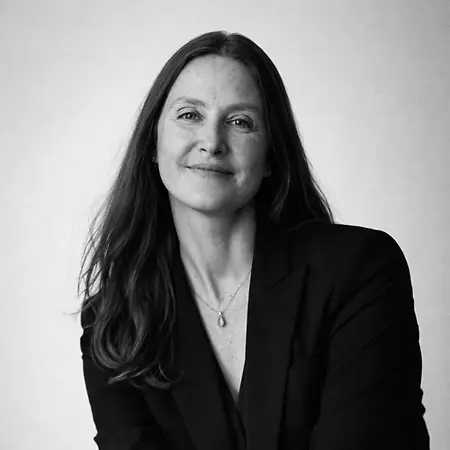
Influential Woman · Mental Health
Sabrina Merz
Licensed Professional Counselor, Owner / Founder, Musician Therapy Studio
Arvada, CO
Her Story
About Sabrina
Sabrina Merz is a Licensed Professional Counselor and the Owner and Founder of Musician Therapy Studio. She launched the practice after beginning to work with musicians around 2020 through the nonprofit Backline, which connects music industry professionals with therapists who understand the demands of their world. Merz previously built a career working with internationally competitive dressage horses, teaching lessons and maintaining horses at home, before transitioning to mental health. She attributes her success to a deep belief that people can change how they feel and how their brains work, allowing her to hold space for clients even during difficult periods. In her work, she emphasizes authenticity, reliability, and maintaining a thoughtful reputation. Merz values the opportunity to help musicians navigate structural challenges in their industry, such as financial insecurity and the pressure to perform regardless of personal circumstances, by providing care tailored to their experiences.
Her Interview
Ten minutes with Sabrina
01What do you attribute your success to?
I think if we go back to that idea of change, being a therapist means really believing that people can change how they feel, people can change their brains. And because I see people enact positive change in their lives every day, I don't have to wonder if changes is possible when things get hard. I know it is. I know that whatever the current struggle, it can change. I know that if I'm feeling down on myself that day, I can change. And so I can hold that vision when I'm struggling to connect with it, or if other people are struggling to connect with it. People come to me, and they learn how to take better care of their minds, and after they've met with me, they have tools and plans that they can use to feel better and to keep being successful, and that's a little bit of, kind of, how I see my success is the people I work with starting to believe in their success.
02What’s the best career advice you’ve ever received?
What just popped into my head when you asked this is that scene from “Friends" where Ross is trying to get a couch up the stairs, and he's yelling, pivot! Pivot! I think that I've gotten the advice at pretty much every single business training I've gone to, that you need to be able to pivot. I think this fits into life overall and a lot of things we do in the therapy room. You know, things do not always go to the plan. And if you can adjust when they don't, and not get too attached to how you thought something was going to go, things are going to be a lot easier on you.
03What advice would you give to young women entering your industry?
This may be a little of a nontraditional answer, but I would advise women to be classy. Not in the, like, don't swear or always behave perfectly sense, but more how you carry yourself matters. So for me that means acting in a way that when you look at your choices, you don't regret them. And that other people expect good from you. I think reputation really matters a lot in business. People remember how you treat them, and how you conduct yourself, and how reliable you are.
04What are the biggest challenges or opportunities in your field right now?
I think my work actually sits at one of the biggest challenges in the music industry. Study after study after study shows that musicians' mental health is not okay, and it shows that musicians experience anxiety and depression at significantly higher rates than the general population. I think a lot that is structural. It's an industry with a lot of financial insecurity, late nights, time on the road. The culture is pretty male-dominated in a lot of ways, and there's a very strong the show must go on mentality. You're required to keep showing up and performing at a very high level, no matter what's happening offstage in your life. don't know if much of that structure is going to change, but I think that kind of the stigma around mental health care and the idea that you should be handling it yourself aren't helping and I do see that changing. People in music need mental health care that understands the world they're in, and helps them to not just survive it, but to thrive in it, not just get along to the next show.
05What values are most important to you in your work and personal life?
I really value authenticity. You know, a lot of the music industry is based on cultivating a certain appearance. But also, people notice when things aren’t congruent and when you aren’t authentic it doesn’t resonate the same way. This shows up in the therapy room all the time where people feel they are living a life of who they are "supposed to be” or who the fans think they are, more than being who they really are. I also value doing what you say, showing up consistently and with integrity. Another value that feels important is being willing to change and grow. Change can feel scary, but so does the idea of being the same five years from now down the road.
Join Influential Women and start making an impact. Register now.