
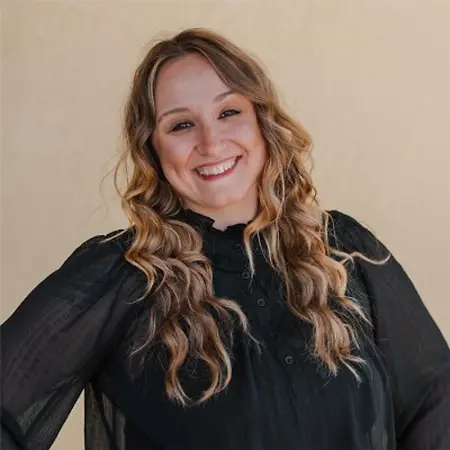
Her Story
About Samantha
Samantha Watson-Alvarado, M.A., M.Ed., LMFT, is an early childhood mental health professional, children's advocate, therapist, supervisor, author, and trainer serving families throughout the San Francisco Bay Area. She is an Associate Director at the Early Childhood Mental Health Program, where she has worked since January 2013. Her career focuses on supporting the mental health, development, and well-being of young children and their families through community-based services and collaborative care. With an academic background in psychology and counseling psychology, she brings experience in therapeutic practice, child development, family support, and nonprofit mental health services.
Throughout her career, Watson-Alvarado has progressed from direct service work to leadership roles, including serving as Director of Mental Health Programs from June 2022 to December 2024 before becoming Associate Director in January 2025. She also maintains a private practice as a Marriage and Family Therapist through The Childhood Therapist. Her work emphasizes early intervention, trauma-informed care, relationship-based support, developmental screening, parent education, and collaboration with community organizations. Since beginning her work with the Greater Richmond Interfaith Program, she has contributed to services for children and families living in a shelter, including playgroups, developmental assessments, parent support groups, and mental health consultation.
Beyond her clinical and leadership responsibilities, Watson-Alvarado is committed to community engagement and youth development. She serves as Chairperson of the Board of Directors for the Plant to Plate Internship Program, a nonprofit that helps young people build practical skills, confidence, and career opportunities through gardening, culinary arts, and workforce development. She values collaboration, community connection, and creating opportunities for children and families to thrive. Her professional approach reflects a commitment to supporting families as they navigate complex systems, strengthening relationships, and helping communities build a foundation for lifelong well-being.
Her Interview
Ten minutes with Samantha
01What do you attribute your success to?
I attribute my success to the mentors who have helped me recognize my potential, develop my abilities, and grow as a collaborative leader. Their guidance has helped me understand my strengths and approach my work with greater confidence and purpose. I also believe that my experience in direct service has been essential to my development, allowing me to understand the needs of children and families firsthand and carry that perspective into leadership.
02What advice would you give to young women entering your industry?
I encourage young women to recognize their potential, seek mentorship, and remain open to learning and professional growth. My own journey has shown me how valuable it is to have people who recognize your strengths and help you develop them. I also believe in building collaborative relationships, understanding the communities we serve, and remaining connected to the purpose behind our work.
In mental health and nonprofit leadership, it is important to balance professional responsibilities with personal well-being. Prioritizing effectively, establishing strong boundaries, and making time for reflection can help us remain present and effective in our work while maintaining a healthy personal life.
03What are the biggest challenges or opportunities in your field right now?
One of the key challenges in early childhood mental health is ensuring that children and families can access the support they need while navigating complex systems and circumstances. Addressing children's mental health early, strengthening relationships between children and caregivers, and providing culturally responsive, community-based services are important opportunities to improve long-term well-being.
I also see significant opportunities in collaboration among mental health professionals, schools, community organizations, and nonprofit programs. Partnerships can help families access more comprehensive support and allow organizations to extend their reach. Investing in young people through programs that build confidence, practical skills, and future opportunities is another meaningful way to strengthen communities.
04What values are most important to you in your work and personal life?
I value compassion, collaboration, community, and meaningful service. My work is grounded in supporting children and families, helping them navigate complex systems, and connecting them with resources that promote their well-being. I believe that strong relationships and partnerships are essential to creating lasting, positive change.
I also value maintaining balance through prioritization, setting healthy boundaries, and reflective practice. These habits help me remain focused on what matters most while managing my professional responsibilities and family life. Ultimately, I want my work to contribute to stronger communities, healthier family relationships, and better opportunities for children and young people.
Join Influential Women and start making an impact. Register now.