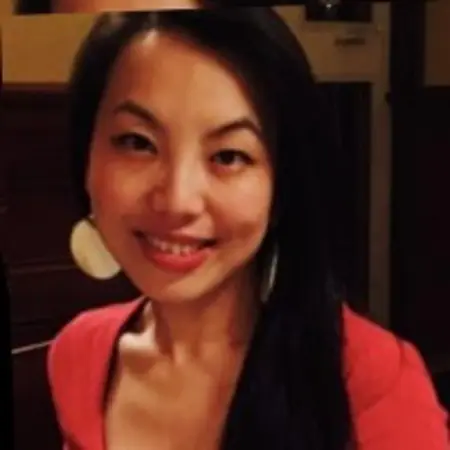
Her Story
About Selina
I have been working in education for nearly 22 years, and my background spans from pre-K all the way to college. Currently, I work as a district literacy coach in New York City, where I support teachers and educational professionals district-wide in strengthening literacy instruction and helping students develop strong reading, writing, speaking, and thinking skills aligned to NYC Reads curriculum. This is my second year in this district-wide role, though I previously worked as a school-wide coach and taught from K to 5, as well as at the college level. I also serve as an AI point person for the UFT Teacher Center, where I demonstrate how AI tools can really support our work as educators. One achievement I'm particularly proud of is launching a Robotics Into Literacy program that initially started from one special education self-contained classroom and now has spread school-wide and is gradually expanding district-wide. I primarily support teachers in special education and work with students who are multilingual learners and students with learning disabilities. Every month, I provide city-wide professional development for educational professionals in New York City, working with teachers and school leaders across the district to support strong literacy instruction and student language development while training educators on how to leverage tools, including AI, to support teaching and learning.
Her Interview
Ten minutes with Selina
01What do you attribute your success to?
I attribute my success to several key qualities and strengths. First, my commitment to continuous learning has been very helpful, as it's happening every day. I always stay current with research, instructional practices, and whatever emerging tools, like AI, to really better support educators and students. Second is my strong instructional expertise. With so many years of experience, my deep understanding of literacy instruction and especially language development, tailored to multilingual learners and students with learning disabilities, really allows me to guide teachers in helping them improve their classroom practice. Third is collaboration and relationship building. Being an educator, starting from being a teacher, a coach, and professional development facilitator, I build strong partnerships with teachers and school leaders from different schools and different districts, and that really helps to provide meaningful change. Fourth is innovation and adaptability, because I've constantly been learning and exploring new tools, especially AI in education, to make teaching more effective and efficient. Finally, my passion for equity and multilingual learners is always driving my work.
02What’s the best career advice you’ve ever received?
The best advice I received is to really focus on impact rather than titles. When you focus on helping others grow, especially helping educators grow, leadership opportunities naturally flow. That's why I feel like impact is more important than whatever title you've received.
03What are the biggest challenges or opportunities in your field right now?
I think the biggest challenge is time and capacity for our teachers. Teachers often have limited time because they have a million things on their plate, so finding ways to support them with practical tools and strategies is really important. We're not just coaching, we're basically working as transformational coaches to try to help build agency, not just spoon-feeding the strategies, but trying to motivate them and build their agency. So I feel like time is always very limited. The second challenge I've noticed district-wide is balancing policy and practice. Especially bridging district initiatives with what works practically in classrooms really requires thoughtful communication and collaboration. My job is really to help bridge the policy and the practice in classrooms, and that's an opportunity but also a challenge, because you don't want teachers to feel like you're just sending the message or it's from top down. You're really helping them because of student-centered practice and initiative.
04What values are most important to you in your work and personal life?
The most important value to me is equity in education. After teaching and working in different classroom settings, from bilingual education classrooms to ENL to ICT classrooms to specialized self-contained classroom settings, I believe every student deserves access to high-quality instruction and opportunities to succeed, especially in diverse student populations.
Keep Exploring
More Influential Women · New York







Join Influential Women and start making an impact. Register now.