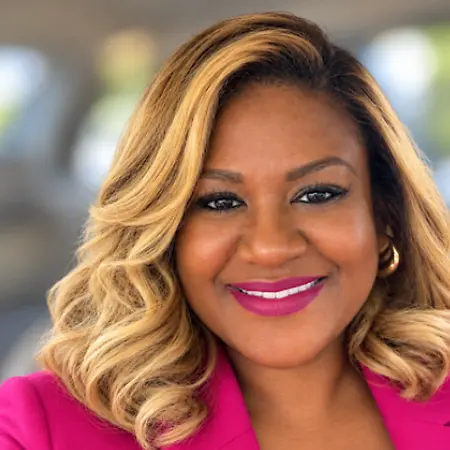
Her Story
About Shahara
Shahara Wheeler is a seasoned healthcare administration professional serving as a Faculty Affairs Manager at the University of Michigan. With more than two decades of experience at the university and approximately 15 years dedicated to Faculty Affairs, she specializes in supporting the full lifecycle of physicians and other faculty members. Her responsibilities include recruitment, onboarding, credentialing, appointments, promotions, leaves, billing-related matters, and other administrative processes, effectively serving as an HR partner for physicians. Throughout her career, Shahara has built extensive expertise in human resources, technology, project management, and administrative operations. Before moving into her current management role, she served as an Administrative Specialist supporting 17 divisions within the Department of Pediatrics, where she coordinated complex workflows, managed multiple stakeholders, resolved technology and process issues, and helped ensure smooth onboarding experiences for new employees. Her ability to manage competing priorities, meet strict deadlines, and build strong working relationships helped prepare her for leadership in Faculty Affairs. Shahara holds a Bachelor of Business Administration in Business Administration and Management from Davenport University and has continued to expand her professional knowledge through training in technology, cybersecurity, management, and communication. She takes particular pride in being known as a dependable “go-to person”—someone colleagues can trust to provide answers, find solutions, or connect them with the right resources. Beyond her professional responsibilities, Shahara is involved in volunteer ministry and community outreach. She also values the importance of strong relationships, networking, and a supportive circle of family and friends.
Her Interview
Ten minutes with Shahara
01What do you attribute your success to?
I attribute my success to being dependable, adaptable, and willing to support others. Throughout my career in Faculty Affairs, I have learned to manage competing priorities, work with diverse personalities, and find solutions when challenges arise. I take pride in being a trusted “go-to person” for my colleagues—someone who can provide answers, find the right resources, and help others navigate complex situations. Building strong relationships and consistently being someone others can rely on have been key to my success.
02What’s the best career advice you’ve ever received?
The best career advice I’ve received is to never stop learning and to seek opportunities that help me grow. Professional development, strong communication, and learning how to navigate difficult conversations have been especially valuable throughout my career. I’ve also benefited greatly from mentors and leaders who encouraged me to step outside my comfort zone, introduced me to new opportunities, and supported my growth. Their guidance has taught me the importance of being open to learning, building relationships, and continually developing my skills.
03What advice would you give to young women entering your industry?
My advice to young women entering healthcare is to build your network and take initiative. You never know who may open the door to your next opportunity, so don’t be afraid to reach out to people whose careers interest you and ask about their experiences. Maintaining a strong professional reputation is equally important because your work speaks for you even when you’re not actively networking. It can feel intimidating to make the first connection, but genuine outreach can lead to valuable relationships, knowledge, and opportunities.
04What are the biggest challenges or opportunities in your field right now?
One of the biggest challenges in my field is recruiting talented faculty in the specialized area of radiation oncology, where candidates have many strong opportunities to choose from. At the same time, I see this as an opportunity to connect with great people and build strong teams through effective leadership, communication, and relationships. I believe creating a respectful and supportive environment can make a meaningful difference in attracting and retaining the right people.
05What values are most important to you in your work and personal life?
The values that are most important to me are respect, communication, trust, and appreciation. I believe everyone deserves to be treated with respect regardless of their position, and clear communication is essential when working with people from different backgrounds and responsibilities. I also value building trust with colleagues and faculty members and making sure people feel recognized for their contributions. Even something as simple as saying “thank you” can make a meaningful difference in the workplace and in our relationships with others.
Join Influential Women and start making an impact. Register now.