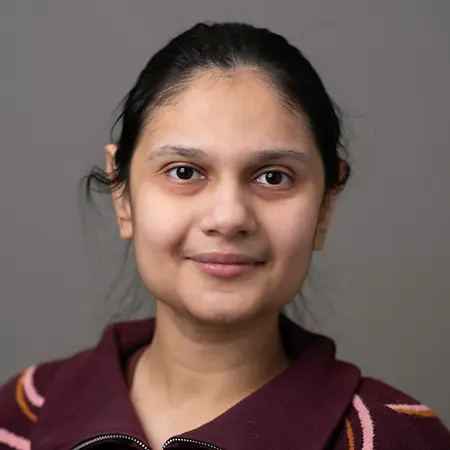
An environmental science student shares how combining technical skills, interdisciplinary learning, and effective communication prepares professionals to tackle today's complex environmental challenges and drive innovation.
“
Growth doesn't happen in your comfort zone. It happens through uncertainty and rejection. Resilience isn't innate; it's built by choosing to move forward even when the path is unclear.
Tasbiha Fatima Hasan · In Her Own Words
Her Story
About Tasbiha Fatima
Tasbiha Hasan is an Environmental Sciences and minor in MIS student at Metropolitan State University St Paul Campus. Reside in in Lakeville, Minnesota. As a student contributor and writer for The Metropolitan newspaper, she has authored over 15 publications in just first three months covering science, AI, college success, student resources, data conferences, and tech topics such as storage as a service and genetic coding with BLAST. An international student, Tasbiha focuses on bridging resources for fellow students. She is an inducted member of the National Society of Leadership and Success and has volunteered as a mentor and judge for National History Day, including regional competitions for 7th graders. On campus, she has taken on leadership roles through volunteering and data conferences. Tasbiha advises young women entering her field to reach out to campus opportunities, be adaptable and resourceful, participate in Kaggle competitions, say yes to more experiences, and serve as their own self-advocates.
Her Interview
Ten minutes with Tasbiha Fatima
01What do you attribute your success to?
I attribute my success to curiosity, initiative, and resilience, along with the willingness to embrace opportunities before I feel completely ready. Rather than waiting for the perfect moment, I choose experiences that challenge me to grow. Every opportunity whether in journalism, leadership, research, or volunteering has taught me something valuable. Combining environmental science, technology, journalism, and leadership has shown me that meaningful innovation often happens at the intersection of different disciplines. I believe growth comes from continuous learning, stepping outside my comfort zone, serving others, and having the courage to take the next step toward creating a meaningful impact.
02What’s the best career advice you’ve ever received?
The best career advice I received was simple: "Step outside your comfort zone, and don't graduate without learning to code." That advice changed the direction of my academic journey. It encouraged me to combine Environmental Science with a minor in Management Information Systems (MIS), giving me the confidence to embrace technology, data, and interdisciplinary learning. Sometimes the best opportunities begin where your comfort zone ends.
03What advice would you give to young women entering your industry?
Reach out to opportunities on campus through volunteering to get recognized as a leader. Be adaptable and resourceful. Do Kaggle competitions and share with peers. Say yes to new experiences and opportunities. Most importantly, be your own strongest advocate.
04What are the biggest challenges or opportunities in your field right now?
One of the biggest challenges in environmental science today is bridging the gap between scientific knowledge and the technical and business skills needed to solve real-world problems. As environmental challenges become more data-driven, professionals are increasingly expected to understand technology, data analytics, artificial intelligence, and interdisciplinary collaboration. Recognizing this shift, I chose to complement my Environmental Science major with a minor in Management Information Systems (MIS). I believe this combination better prepares me to translate scientific knowledge into practical, data-informed solutions while working across disciplines to address complex environmental challenges. One of the greatest opportunities in my field is the growing intersection of environmental science, technology, and artificial intelligence. At the same time, one of the biggest challenges is ensuring that students develop not only a strong scientific foundation but also the technical, business, and communication skills needed to transform research into real-world impact. This realization inspired me to pursue a minor in Management Information Systems (MIS), allowing me to combine environmental science with data, technology, and systems thinking. I believe the future belongs to professionals who can bridge disciplines and collaborate to create innovative, sustainable solutions.
05What values are most important to you in your work and personal life?
Curiosity, lifelong learning, resilience, and service are the values that shape both my work and personal life. I believe growth comes from embracing challenges, stepping outside my comfort zone, and continuously seeking opportunities to learn. I value integrity, collaboration, and sharing knowledge with others because I believe success is most meaningful when it creates opportunities for those around us. Whether through journalism, leadership, research, or volunteering, I strive to make a positive and lasting impact while continuing to grow both personally and professionally.
Her Content Hub
Articles by Tasbiha Fatima
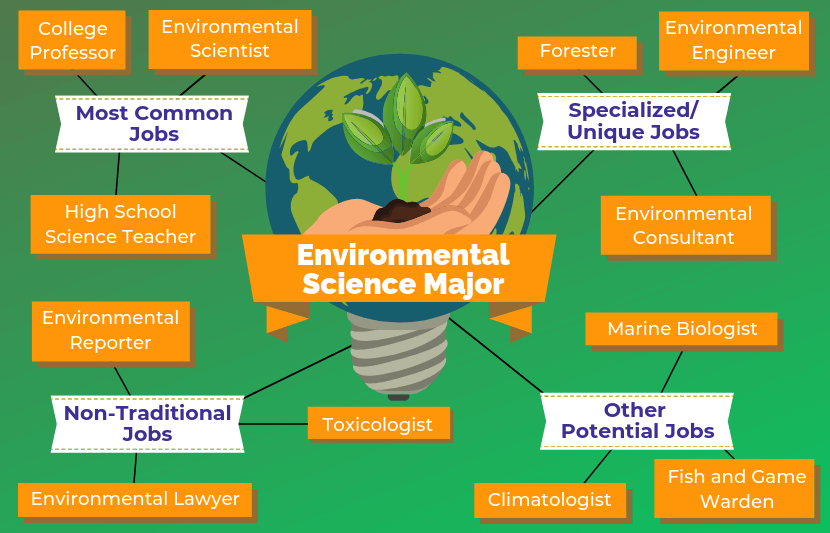
Beyond the Lab: Why Tomorrow's Environmental Scientists Need Technology and Business Skills
How interdisciplinary learning and technology are reshaping careers in environmental science.
Bridging Environmental Science and Technology: Preparing for the Future
When most people think about environmental science, they picture fieldwork, conservation, or laboratory research. While these remain essential, the profession is evolving rapidly. Today's environmental challenges—whether addressing climate change, managing natural resources, or promoting sustainability—are increasingly driven by data, technology, and collaboration across disciplines.
As an undergraduate Environmental Science student, I quickly realized that understanding ecosystems alone would not fully prepare me for the future workforce. Employers are looking for professionals who can analyze data, communicate findings to diverse audiences, work with emerging technologies, and understand how scientific solutions translate into organizational and business decisions.
This realization led me to pursue a minor in Management Information Systems (MIS).
They Complement Each Other in Meaningful Ways
At first glance, environmental science and information systems may seem like very different fields. However, I discovered that they complement each other in meaningful ways.
Environmental professionals now rely on geographic information systems (GIS), data visualization, artificial intelligence, predictive analytics, remote sensing, and digital technologies to make informed decisions. Understanding how information is collected, analyzed, and communicated is becoming just as valuable as understanding science itself.
Adding an MIS minor challenged me to step outside my comfort zone. I had to learn new technical concepts, develop analytical thinking, and approach problems from a systems perspective. While the learning curve was steep, it expanded the way I think about solving environmental problems.
Instead of viewing science and technology as separate disciplines, I now see them as partners in creating innovative solutions.
The Importance of Communication
My experience has also shown me the importance of communication. Scientific discoveries have the greatest impact when they are accessible to decision-makers, communities, and the public.
As a student contributor for The Metropolitan, I have had the opportunity to write about science, technology, student success, and campus initiatives. Journalism has strengthened my ability to translate complex topics into stories that inform, educate, and inspire.
It has reinforced my belief that technical expertise and effective communication are equally important in today's world.
The Future of Environmental Science
The future of environmental science will belong to professionals who are willing to embrace interdisciplinary learning. Universities have an opportunity to prepare students not only with scientific knowledge but also with the technical, business, and communication skills needed to navigate an increasingly complex world.
For students, my advice is simple: do not limit yourself to the boundaries of your major. Explore courses that challenge you. Learn the basics of coding and data analysis. Develop communication and leadership skills. Volunteer, attend conferences, and seek opportunities that broaden your perspective.
Some of the most valuable lessons may come from experiences outside your original field of study.
The environmental challenges facing our world cannot be solved by one discipline alone. They require scientists who understand technology, communicators who can explain complex ideas, and leaders who can bring people together around a common purpose.
My journey from environmental science to integrating technology, journalism, and leadership has taught me that innovation often happens where disciplines intersect. The future belongs to those who are willing to continue learning, adapt to change, and build bridges between fields rather than remain within them.
Join Influential Women and start making an impact. Register now.