Her Story
About Toni
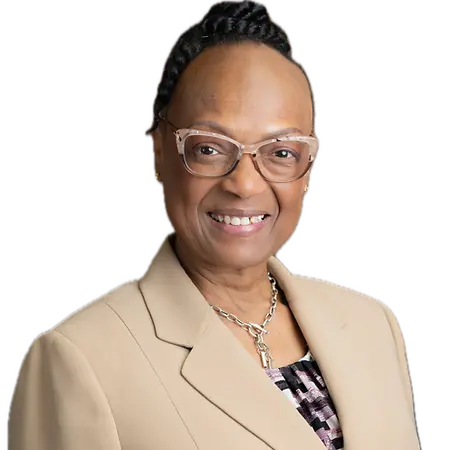
Toni Hill-Kennedy is a seasoned educator and STEM/CTE instructor at Fort Bend ISD in Sugar Land, Texas, with nearly three decades of experience in public education. She currently teaches Anatomy & Physiology and supports career and technical education initiatives while also contributing to programs such as Empowering Future Leaders. Over the course of her career, she has served in a wide range of roles including science teacher, instructional specialist, department chairperson, curriculum writer, new teacher mentor, assistant principal, and instructional coach, reflecting a deep commitment to both classroom instruction and school leadership. Throughout her career, Hill-Kennedy has worked across multiple states and international contexts, including Texas, Massachusetts, Washington, D.C., and Japan, bringing a broad perspective to her work in education. She is particularly focused on curriculum and instruction, teacher development, and improving outcomes for diverse learners, including emergent bilingual students and gifted and talented populations. Her leadership experience includes supporting school improvement efforts, coaching new educators, and helping design and implement programs aimed at strengthening STEM access and student achievement. Hill-Kennedy holds multiple advanced degrees, including a Master of Business Administration in Education Management from the University of St. Thomas and a Master of Arts in Anthropology from the University of Houston. She is also a doctoral candidate in Educational Leadership and Policy Studies at the University of Houston, with research interests centered on equity and access in STEM education. Guided by a commitment to service and the belief in being the change she wishes to see, she continues to bridge classroom practice and educational leadership while preparing for future roles in school administration.
Her Interview
Ten minutes with Toni
01What do you attribute your success to?
I attribute my success to a deep desire to create meaningful, widespread positive change and a long-term commitment to supporting students, teachers, and the development of resilience in young people. I am guided by Gandhi’s reminder to “be the change you wish to see in the world,” which continues to serve as a central source of inspiration in my work and decisions.
02What’s the best career advice you’ve ever received?
The best career advice I’ve ever received is to take time to reflect on what I truly want and then pursue work that I genuinely enjoy. Choosing a path that aligns with my interests and values has been essential in sustaining both motivation and long-term fulfillment in my career.
03What advice would you give to young women entering your industry?
My advice to young women entering this field is to first recognize the value and impact of choosing to become an educator, even though the path can be challenging as responsibilities and realities set in. I encourage you to identify both formal and informal mentors who can guide and support you, and to seek out those who will champion your growth as you also discover what causes or areas you want to champion in return. In the beginning, take things step by step, avoid overwhelming yourself by trying to do everything at once, and intentionally surround yourself with supportive people who help you grow. Learn to discern which voices to trust, and most importantly, do not hesitate to ask questions—if you do not know something, ask rather than trying to figure everything out alone.
04What are the biggest challenges or opportunities in your field right now?
One of the biggest challenges educators face right now, both on my campus and across the country, is effectively supporting emergent bilingual learners—students for whom English is a second language and who are working to develop proficiency while also mastering academic content. When I look at student data locally and compare it to broader state trends, it is clear that this is not an isolated issue but a widespread need in education. My own experience learning Japanese as an adult has given me greater empathy for what these students may be experiencing, especially the feeling of being in an unfamiliar language environment. That perspective has strengthened my practice as an educator and leader, helping me better understand and support learners who are navigating similar challenges.
Another challenge I face as an educator on an ethnically diverse campus is the reality of the scarcity of African American and Hispanic students in advanced science and math courses. As an educator and researcher, another of my primary goals is to empower students from diverse backgrounds to realize their potential in competitive college and career pathways despite barriers in their educational pathways.
05What values are most important to you in your work and personal life?
Honesty, respect, and uncompromised integrity—plain and simple. In my work as an educator and leader, respecting someone’s time is one of the highest forms of professional courtesy. We are all managing immense responsibilities, and I have a low tolerance for 'time fillers' or superficial exercises. As I expect that others respect my time, I also hold myself to the same standard with my students and colleagues. Every lesson, every professional interaction, and every initiative I lead must be intentional, authentic, and genuinely relevant. I value people who are real, transparent, and driven by purpose
Join Influential Women and start making an impact. Register now.