
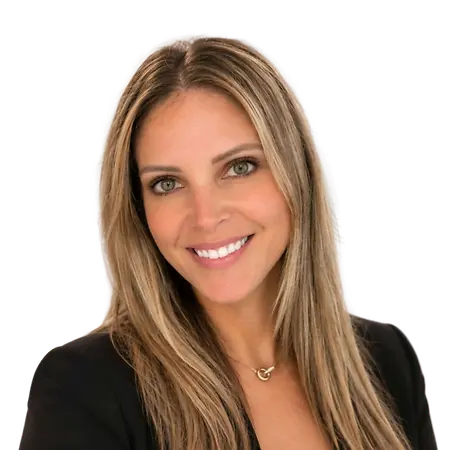
Her Story
About Whitney
When Whitney Johannessen was in preschool, she drew a picture announcing that she wanted to be a nurse when she grew up. But it wasn't until she was 10 years old that her calling was truly solidified. During the spring of her 4th grade year, her elementary school nurse asked if she would be interested in watching the clinic during the nurse's lunch break. Whitney and her friend, Jenny, eagerly volunteered. By the time the first kindergartner came in with a scrape and tears - and left with a Band-Aid and a smile - she was hooked. Whitney knew she found her calling and set out on an intentional path to pursue it.
There was no doubt Whitney would build a career in pediatrics. A natural caregiver with a curious mind, Whitney initially pursued a medical research focus. While at Vanderbilt University School of Nursing, she served as a graduate research assistant to Dr. Mary Jo Gilmer, exploring sibling bereavement in the context of chronic and/or catastrophic illness. She went on to pursue a PhD in Child Development and completed a dissertation exploring hospital-based resources for families in medical crisis. While pursuing her full-time graduate studies, Whitney also worked full-time as a pediatric nurse practitioner before ultimately transitioning to department management, a company director, and system executive leadership.
Curious about bridging the gap between her clinical background, operational experience, and the vast possibilities in healthcare, Whitney began exploring graduate degrees in healthcare administration. She was selected to pursue a master's of clinical service operations (MCSO) at Harvard Medical School, her ultimate academic dream. The time spent learning with some of the brightest minds around the world opened hers to new possibilities in healthcare. Upon completion of the program, Whitney was invited to transition into a teaching fellow position at Harvard while simultaneously pursuing a new professional position in academic operations.
In her current role as the National Director of the Pediatric Acute Care Cardiology Collaborative (PAC3), Whitney combines her clinical background, operational expertise, passion for adult learning and lifelong development, ability to cultivate international networking relationships, and her caregiver's heart to oversee the administrative operations, facilitate growth and connections, and support improved patient outcomes for 52 pediatric hospitals across the US and Canada. She also remains passionately committed to pursuing her own professional development, mentoring all generations, volunteering within her community, and having some fun along the way.
When she is not working or volunteering, you can find Whitney making the most of each day with the people she loves. An avid world traveler, she is always planning the next adventure with her favorite people. She is also fiercely committed to her family and spends her time at home caregiving for her children and her aging parents.
Her Interview
Ten minutes with Whitney
01What do you attribute your success to?
Growing up, I was extremely fortunate to have parents who believed deeply in the value of education. They instilled a love of learning in me from an early age and made sure I always had opportunities to pursue my goals. They believed in me and supported me in such a way that I never questioned whether all my goals and dreams were even possible...I just intrinsically believed that they were. That foundation shaped not only my ambitions but also my belief that education can open doors and change lives.
In addition to a strong educational foundation, the countless hours of hard work I put in for an entire decade to launch my career forward truly set the stage for future success. Three weeks after completing my MSN degree, I began my PhD studies full-time as well as my first nurse practitioner job full-time. The learning curve was steep, but I consistently got up, worked the 0600-1600 clinical shift, drove 45 minutes to campus, attended doctoral classes from 1730-2030, and then drove 45 minutes home. There were certainly days when I was so tired I questioned my path, but I ultimately knew that the sweat equity of my 20s would pay off for future growth in subsequent stages of my career. I woke up each day with the mindset that I was investing in the life I was given - and what a tremendous responsibility and opportunity to max it out! Those early years taught me discipline, resilience, and the importance of showing up and doing the work; and, to this day, they remain among my very favorite years.
I've also been incredibly fortunate to have outstanding mentors and leaders who believed in me, challenged me, and opened doors along the way. Their investment in my growth has been invaluable. My network of strong female leaders who have blazed the trails, tried the things, asked the questions, and set the examples is truly the most inspiring part of my professional life.
02What’s the best career advice you’ve ever received?
Early in my career, the best advice I ever received was "Do the work everyone else avoids." As a brand new grad, it seemed counterintuitive to seek out opportunities that no one wanted and actively went out of their way to avoid. However, it soon became clear that choosing the 0600 shift that nobody wanted, or volunteering to take a complex patient with a high maintenance parent, or initiating a difficult conversation with an intimidating surgeon actually set me apart. Not only was I willing to work for my place on the team, I was filling a need in the department while also learning how to manage the difficult, less desirable parts of the day with determination and grace. Those opportunities shaped me and became the critical building blocks for my future success.
03What advice would you give to young women entering your industry?
This is one of my favorite questions when I think about mentoring young women entering healthcare. I always tell them that healthcare is a "big small world." Although it is an enormous industry, you'd be surprised how often your paths cross with the same people throughout your career. And you are usually only a couple degrees of separation from almost everyone else. Relationships matter, and the connections you make today may open doors you never imagined years down the road.
Get involved in local chapters of professional healthcare organizations. Attend conferences, take advantage of networking opportunities, and don't be afraid to walk up to someone and introduce yourself. Make sure to always connect on LinkedIn and send a follow up "thank you" for the connection. I always recommend mentioning the little details about people that were specific to your conversation. Most importantly, nurture those relationships long before you need something. Genuine connections are built over time, not when you're looking for your next opportunity. And remember, networking isn't just about who can help you; it's also about how you can support and lift up others along the way.
My second piece of advice is to never stop learning or reinventing yourself. Healthcare is constantly evolving, and we should be too. It's never too late to go back to school, pursue another certification, develop a new skill, or even change career paths entirely. Don't let where you started dictate where you can go. Be curious, stay open to opportunities, and don't be afraid to step outside your comfort zone. Some of the most rewarding experiences in your career may come from paths you never originally envisioned.
And finally, remember to pay it forward. As you grow and succeed, make sure you're creating opportunities for the women coming behind you.
04What are the biggest challenges or opportunities in your field right now?
One of the greatest challenges in pediatric healthcare today is balancing the endless innovative opportunities to advance care with the operational and financial realities of making those opportunities possible. We are in an incredibly exciting time in healthcare, and the potential for innovation, groundbreaking research, and meaningful quality improvement is tremendous. There is no shortage of great ideas, passionate people, or opportunities to improve the lives of children and families. What we often lack are the resources, workforce, and operational capacity to bring all of those ideas to life.
Pediatric healthcare is particularly challenging because we are navigating increasing clinical complexity, workforce shortages, rising costs, and reimbursement models that don't always reflect the true cost of caring for children. These pressures can force organizations to make difficult decisions about where to invest limited resources, even when the potential benefits of an initiative are clear. What makes me hopeful is that, despite these challenges, we all share the same fundamental goal: improving outcomes for children. The passion and commitment to that mission are extraordinary.
I believe our greatest opportunity as healthcare leaders is to find creative ways to bridge the gap between what we know is possible and what we can operationally and financially sustain. That means advocating for the resources our teams need, investing in our workforce, fostering collaboration, and creating environments where innovation and continuous improvement can thrive. Ultimately, the challenge isn't a lack of vision or willingness to improve - our workforce is brilliant, dedicated, and innovative. It's ensuring we have the people, infrastructure, and resources to turn that vision ultimately into better outcomes for children.
05What values are most important to you in your work and personal life?
My guiding principle has always been to leave people better than I found them - to love and invest so deeply that they feel seen, safe, and heard.
In order to accomplish this important mission, I lean heavily on the values of education, integrity, and service. Raised by two lifelong learners, I've always believed that education is one of the most powerful tools we have to change lives and create opportunities. Learning doesn't end with a degree or a title; it's a lifelong commitment to staying curious, challenging yourself, and continuing to grow. Just as importantly, it's about helping others access those same opportunities. This value is incredibly important to me in my service as a nursing alumni mentor to early career nurses, an alumni panelist for all-stage career operations leaders, and a mentor mom to young men in our community.
Integrity is equally important. I have been fortunate to learn from a few of the most honorable leaders in healthcare. Conversely, I have also learned a few important life lessons from those who were not as honorable. Those experiences shaped me into a leader who strives to approach each day with consistency, honesty, and accountability in both my personal and professional lives.
Lastly, service is at the fundamental core of how I approach life and leadership. I have been incredibly blessed in this life and believe it is my responsibility to make the most of every opportunity and do great things with it. My success is not simply measured by personal and professional accomplishments, but more so by the impact I have on others. Whether it's mentoring someone, supporting a colleague, creating an intentional team environment to foster growth, or contributing to my community, I find the greatest fulfillment in helping others succeed. This commitment to service provides tremendous balance and perspective in all areas of my life and serves as my true north.
Join Influential Women and start making an impact. Register now.