How She Learned to Lead Across Generations
Stories of women navigating leadership with teams of all ages.



Stories of women navigating leadership with teams of all ages.


I've been in the professional workforce since the late 80's, but my understanding of work started much earlier, waitressing, working as a medical assistant, managing a McDonald's. Those jobs taught me that work is not abstract. It is rent. It is identity. It is pride. People bring their whole lives with them, whether leadership acknowledges it or not. I do not have one defining moment that taught me how to lead across generations. I have many. And most of them happened in quiet rooms no one else wanted to be in. I have sat across from people during reductions in force and watched the reactions differ sharply by experience. Some who had lived through multiple cycles processed it with painful realism. Others, newer to the workforce, looked stunned, like the rules had changed without warning. Neither response was wrong. They were simply shaped by different histories. I have also sat with employees on performance improvement plans, particularly those later in their careers, watching tears fall as they struggled to master new technology. Not because they were not capable, but because they were exhausted, afraid, and quietly wondering if there was still a place for them. In those moments, leadership is not about policy or process. It is about dignity. Those experiences forced me to confront my own assumptions. They taught me that leading across generations is not about favoring one group over another. It is about recognizing that people are carrying different weights. It means checking my biases, relying on colleagues who will challenge my perspective, and grounding decisions in facts rather than narratives. Integrity and confidentiality have always been non negotiable for me. I am deeply aware that I have to live with my decisions long after the meeting ends and that one day I will have to answer for them. That reality keeps me honest. It reminds me that leadership is not about being liked or impressive, but about being responsible. In the end, leading across generations comes down to modeling the behavior I expect from others: respect, accountability, and humanity. Titles change. Generations change. But how you treat people in their most vulnerable moments is what stays with them. And with you.
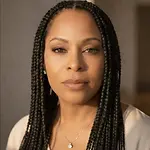
My work explores how experienced professionals encounter technological change, and how language, behavior, and perception can be translated into repeatable systems. What began as observation became structure. What began as personal inquiry became applied practice. At its center, this work is about stability before change. The human foundation must be steady before intelligent systems arrive. This is what human-centered AI governance looks like in practice. Stabilizing people before scaling systems. It is also what accountable leadership requires: responsibility not only for the tools we introduce, but for the readiness of those who will use them. For more than fifteen years, I have been the first point of contact. The first face. The person who quietly solves problems before they are visible. The gatekeeper. The translator. The one who reads the room and holds context others depend on. In this role, I learned to lead across generations without naming it. Experience brings pattern recognition. Emerging voices bring adaptability and fresh perspective. Leadership is knowing how to hold space for both. Sometimes that means offering structure and clarity. Sometimes it means offering encouragement and trust. It always means paying attention. There are advantages to this kind of leadership. Influence that is steady rather than loud. Trust built slowly through consistency and reliability. But there is also a quiet cost. Often you stand behind the curtain, making the work possible while others take the stage. "I do not lead by standing in front. I lead by building what helps others move forward." Over time, I understood that leadership does not require visibility. It requires intention. As I began building my own work alongside my career, I faced a choice. I could pursue visibility, or I could build systems that help others move forward. I chose to build. Not because I lack courage, but because I know where my strength lives. I build frameworks, language, and structure that others can use. I create clarity where there is uncertainty. I help people stabilize, adapt, and move through change at their own pace. This is especially true during technological transition. Some approach change with confidence, others with hesitation. Leading across generations means bridging that space. Translating complexity into understanding. Supporting growth without forcing it. Visibility is not the only path to influence. Sometimes leadership is quiet. Sometimes it is the person behind the curtain, building what allows others to succeed. I believe meaningful change begins by stabilizing people before scaling systems. That is where lasting influence lives.

For me, leadership has always been about balancing strength with care. Early in my career, I had to navigate being a young woman in a male-dominated industry—there were times my ideas weren't taken seriously or I was passed over for opportunities because of my age. Those experiences taught me to stand my ground, trust my instincts, and lead with confidence, while still listening, collaborating, and valuing every team member. Over time, I've learned that leadership isn't just about running a kitchen or managing operations—it's about people. I approach every decision remembering that I'm caring for somebody's mom, dad, or loved one. That mindset shapes how I mentor my team, interact with residents, and connect with our community. I also strive to create joy in the work—celebrating milestones, throwing special events, and making each day meaningful. Staying true to myself means leading with authenticity, passion, and empathy. I bring fresh ideas and energy, but I always anchor my leadership in respect, care, and the belief that everyone—whether a team member, resident, or guest—is somebody's loved one. This approach allows me to adapt to each situation while keeping my values at the heart of everything I do.

When leading across generations, whether directly or indirectly, one does not need to change themselves if they lead with empathy. By listening to different perspectives and becoming a consummate collaborator, you can create a safe and productive environment across all generations while also ensuring that how you are heard resonates with all as well!
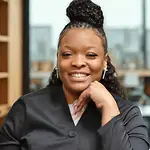
Leadership taught me something powerful: you can adapt your style without losing who you are. Early in my journey, I thought leadership meant fitting into a certain mold—being more rigid, more authoritative, or more like what people expected a "leader" to be. Over time, I realized that the most effective leadership happens when you remain grounded in your authentic self while learning how to meet different people and situations where they are. I've learned to listen more, communicate with intention, and lead with both clarity and empathy. Adapting my approach didn't mean changing my values—it meant strengthening them. It meant learning how to guide, support, and challenge others in ways that help them grow while still honoring the leader I know myself to be. Leadership isn't about becoming someone else. It's about evolving while staying rooted in who you are.