Advocating With Purpose: A Guide for Women in Texas
How Women in Leadership Can Master Strategic Advocacy to Drive Meaningful Change

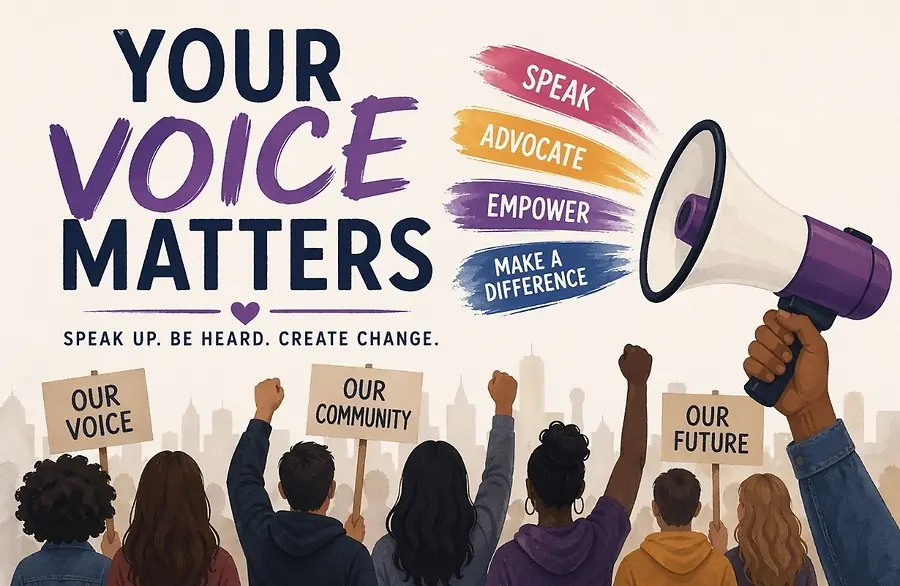
Advocacy can feel intimidating in the beginning, but it remains one of the most powerful tools for creating lasting change—for your organization, your industry, your community, and the individuals you serve.
For women in leadership, service, and policy-facing roles, advocacy is not simply an optional skill.
It is an extension of influence.
When used strategically, that influence can help shape legislation, improve systems, and ensure that critical sectors are understood, supported, and strengthened.
In Texas, effective advocacy begins with understanding the legislative process itself.
The Texas Legislature meets in regular session every odd-numbered year, which means the even-numbered interim years are equally important. While legislative sessions may be when policies are formally debated and passed, the interim is when much of the foundational work actually occurs.
This is the period when:
- Relationships are built
- Industry concerns are introduced
- Conversations begin
- Legislative priorities take shape
- Strategic groundwork is established
For advocates, the interim is not downtime.
It is preparation time.
One of the most important steps in successful advocacy is developing authentic relationships with your local legislators and their staff.
This begins by identifying your elected representatives and intentionally connecting with their offices. While legislators themselves are essential, their staff members often serve as the primary gatekeepers, advisors, and issue experts who shape how information is interpreted.
Building trust with legislative staff can significantly impact how effectively your message is received.
This requires:
- Clear communication
- Respectful persistence
- Professional consistency
- Educational outreach
- Relationship maintenance over time
Once these relationships are established, the next step is to bring policymakers into your environment.
Invite legislators to witness your organization’s work firsthand.
For industries like long-term care, healthcare, education, or nonprofit service, this is particularly impactful.
When legislators:
- Tour facilities
- Meet those being served
- Speak directly with professionals
- Observe operational realities
They gain context that cannot be replicated through policy briefs or statistics alone.
These lived experiences often shape legislative decision-making far more deeply than reports ever could.
Advocacy also requires physical presence where decisions are actively being influenced.
Participating in industry advocacy days at the State Capitol provides an opportunity to demonstrate both collective strength and coordinated purpose.
Showing up matters.
It communicates:
- Commitment
- Credibility
- Visibility
- Unified stakeholder support
In addition, engaging during interim committee hearings and legislative study sessions is critical.
These meetings often determine what issues lawmakers prioritize before formal legislation is introduced.
By attending hearings, monitoring interim charges, and offering informed testimony when possible, advocates position themselves as trusted subject-matter experts rather than reactive participants.
This proactive engagement can influence policy direction before bills are even drafted.
True advocacy is not transactional.
It is relational.
It is built through consistency, preparation, and trust over time.
It requires:
- Strategic communication
- Subject matter expertise
- Storytelling
- Courage
- Authenticity
And perhaps most importantly, it requires understanding that advocacy is not reserved for those with decades of experience.
Women entering advocacy at any stage should recognize:
Your voice carries value.
Your lived experience matters.
Your perspective can shape systems.
You do not need to wait for permission to become an advocate.
What matters most is your willingness to engage with purpose and integrity.
When women lead through advocacy, they do more than elevate organizations.
They help shape stronger industries, more responsive policy, and more equitable communities.
Because advocacy is not just about influencing legislation.
It is about ensuring that leadership, service, and lived experience are represented where decisions are made.
And when done intentionally, advocacy becomes one of the most transformative forms of leadership available.