Beyond the 24-Hour Hero: Refusing to be a Seasonal Trend
What happens when the pedestal folds away and the world goes quiet?

Beyond the 24-Hour Hero: Refusing to Be a Seasonal Trend
What happens when the pedestal folds away and the world goes quiet?
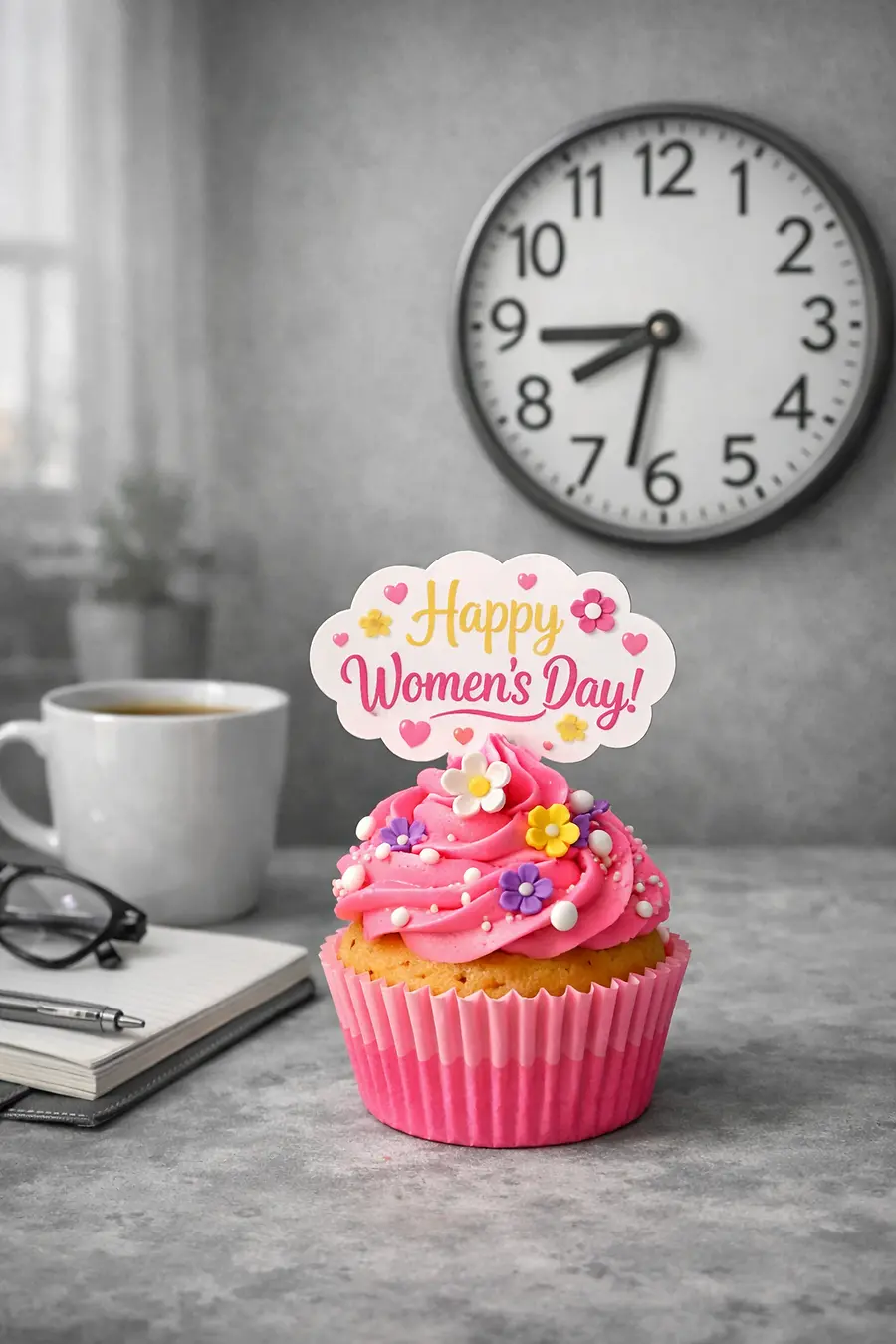
Don’t just bring me cupcakes and flowers—allow me the space to be human. Not just on International Women’s Day, but every day. There is a specific kind of identity crisis that happens when you are treated as a hero for exactly twenty-four hours. For weeks leading up to the big day, the momentum builds: my social media feed becomes a polished gallery of LinkedIn “success stories,” “how she did it” spotlights, and corporate pledges.
Don’t get me wrong—I am not looking down on these stories or feeling jealous. In fact, I am proud. I am motivated and deeply inspired by the heights we’ve reached.
But still, it makes me question: why only today?
Why are we placed on pedestals so high they make us dizzy—hailed as anchors and trailblazers for the duration of a trend—only to be expected to land perfectly back into the quiet erosion of our roles by Wednesday morning? It leaves me wondering why women are almost expected to disappear the moment the celebration ends.
It is a strange irony: on March 8th, being a woman is called a superpower. But by March 10th, the narrative shifts. If we speak up about the mental load, we are suddenly accused of “playing the woman card.”
Is there a post for the woman navigating an identity crisis in the middle of a grocery aisle or behind the steering wheel? And don’t even get me started on the stereotype of the “woman driver”—the same woman who was a visionary leader forty-eight hours ago is suddenly the punchline of a tired joke the moment she’s navigating traffic.
Is there a “success story” for the one who chose herself even when it disappointed everyone?
Is there a “How She Did It” segment for the one who didn’t do it all—the one who let some balls drop just so she could breathe?
Where is the spotlight for the woman whose influence isn’t in a keynote speech, but in the silent, messy rebuilding of her own life?
For many women, love is expressed through simple actions—having things done without being asked or reminded. It’s the quiet support in the mental load, the shared weight of a mundane Tuesday.
But instead of that consistent partnership, we are often handed a 24-hour spotlight that brings with it a new task: the obligation of gratitude.
We receive a flood of messages that expect a “thank you” in return, forcing us to perform appreciation for the very people who forget our burden the other 364 days of the year.
It becomes just another layer of emotional labor—smiling for the cupcakes and nodding at the pledges, already mentally checking if we’ve said “thank you” enough—while we are told that this single day of glorification should be enough to sustain us for the rest of the year.
What we really need isn’t a temporary stage; it’s the space to simply be.
Today is March 10th. The cupcakes are gone, the hashtags have stopped trending, and the pedestal has been folded away.
The “Year of the Woman” has shrunk back down to the “Hour of the Woman” in a matter of seconds.
As the clock struck midnight, the glorification evaporated, leaving us to land back in the same uncertainties we were navigating before the world decided to notice us.
If uncertainty is a reckoning, then this post-celebration silence is a revelation.
It proves that our greatest act of influence isn’t accepting a one-day tribute—it’s refusing to be a seasonal trend.
We don’t need to be glorified for a moment; we need to be seen in the mundane.
About the Author
Hi, I’m Nishi. Through my writing, I celebrate life’s uncertainties and the ways they shape who we are and who we are becoming. I write at the intersection of identity and everyday reality, peeling back the layers of performative culture to find the human stories underneath.
When I’m not writing, you can find me navigating the beautiful chaos of the grocery aisle—without a pedestal, but with a lot of questions.