18 years in youth movements: what I wish I had understood when I started
18 Years of Climate Activism: What I Wish I'd Known When I Started

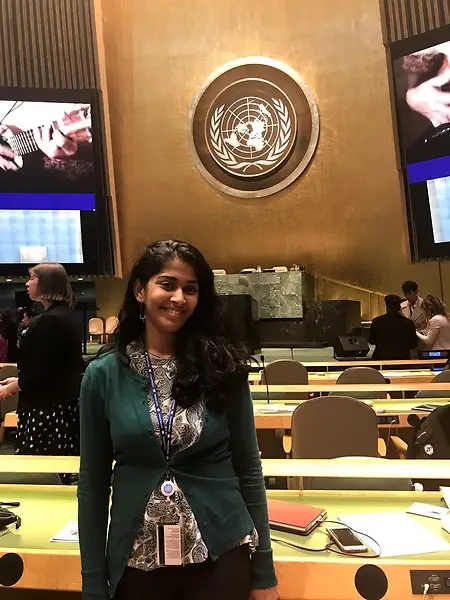
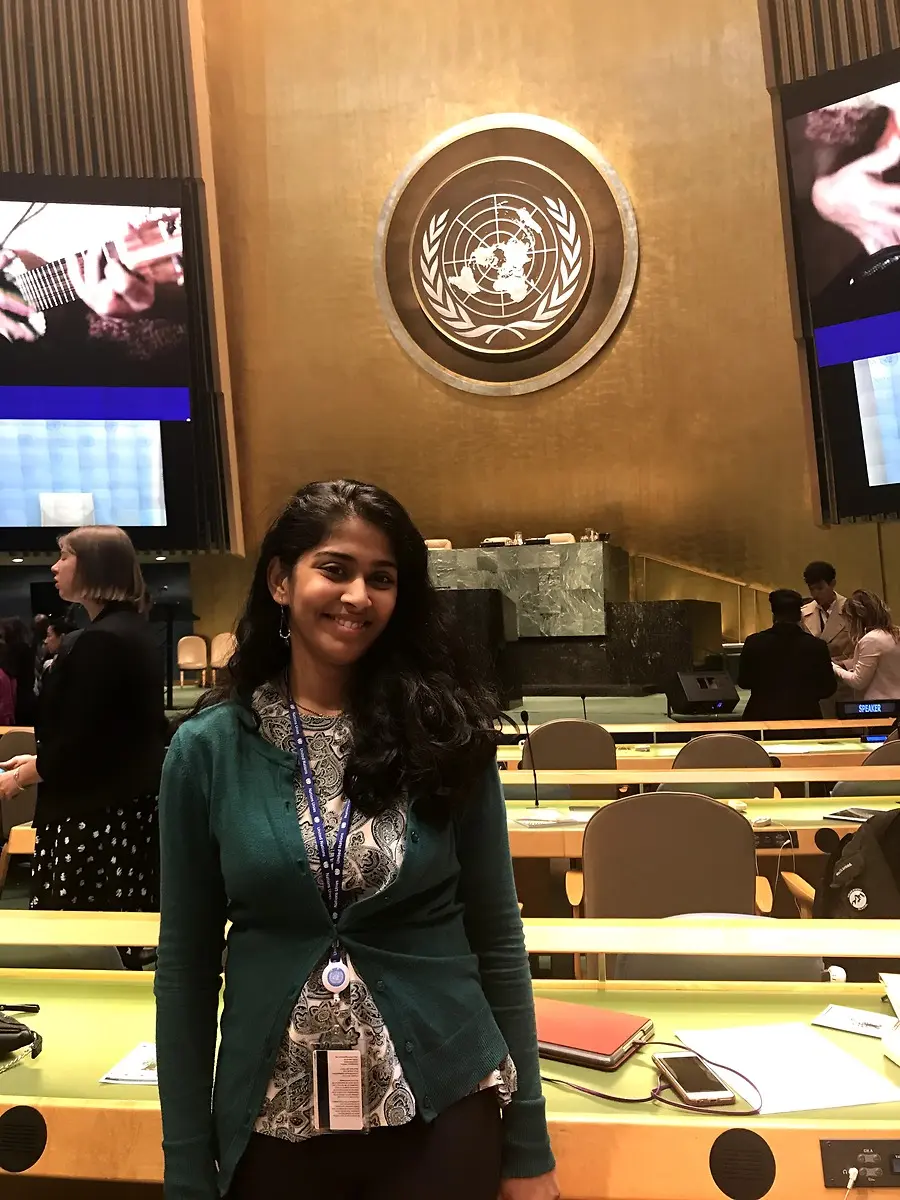
18 years ago, I was a young person who genuinely believed that if people just understood what was happening to our planet, they would do something about it.
So I talked to everyone.
I organized marches. I spoke to strangers in markets and on trains. I went to climate conferences. I tried to convince anyone who would listen that the climate and biodiversity crises mattered.
I was young, impatient, hopeful, and perhaps a little naive.
18 years later, I am still here.
I have gone from being a young activist, to a wildlife biologist, to helping build youth movements, supporting young people to organize across countries and regions, sitting in global policy spaces, raising resources, building partnerships, and now slowly becoming what we jokingly call a "young elder" in the movement.
And I have been thinking about what these 18 years have taught me. Especially about what I wish someone had told me when I was younger.
1. You do not have to save the world.
For a long time, I carried an enormous sense of responsibility. The crises felt so urgent that resting, slowing down, or doing anything that wasn't "useful" could feel almost selfish.
But no individual is meant to carry a planetary crisis.
Our responsibility is not to save everything. It is to find our place in a much larger ecosystem of people, communities and more-than-human beings, and contribute what we can.
2. Your worth is not measured by how exhausted you are.
Movements can sometimes romanticize sacrifice.
Working late. Traveling constantly. Volunteering endlessly. Giving your time, your health and sometimes your own money because "the cause is important."
The cause is important.
But so are you.
If our movements reproduce burnout, extraction and disposability inside themselves, we cannot create the transformation we are asking of the world.
3. Being young does not mean you know nothing. But being young also does not mean you know everything.
I have sat in rooms where young people were dismissed simply because of our age. We had to prove, again and again, that we understood policy, that we had something meaningful to contribute, that we deserved to be there.
But over time I also learned the other side of this.
Youth voices matter enormously, but so do elders, Indigenous Peoples, local communities, practitioners, scientists, parents, farmers, fishers and people carrying knowledge accumulated over generations.
Intergenerational work is not about replacing one generation with another. It is about learning how to be in relationship.
4. Representation is a responsibility, not a badge.
One of the questions that shaped my journey with youth movements was:
How can 20 or 30 young people in an international conference say, "Young people around the world want…"?
Who gave us that authority?
That question helped shape my belief that global movements must be rooted in local and national communities.
If you are given a microphone, your job is not simply to speak. Your job is to listen deeply enough that many people can speak through you.
5. You don't need to become a "leader" to matter.
Some of the most transformative people I have worked with will never have large social-media followings, international awards or impressive titles.
- They are the people who organize the meeting.
- Who translate the document.
- Who notice that someone hasn't spoken.
- Who call the person who is struggling.
- Who remember where the receipts are.
- Who hold relationships together when things become difficult.
I increasingly think less about leadership and more about service to community.
Sometimes the most important question is simply:
What does my community need from me right now?
6. Relationships are infrastructure.
Strategies matter. Funding matters. Governance matters. Policy matters.
But after 18 years, I think movements survive because of relationships.
- People stay because they feel seen.
- People take risks because somebody trusts them.
- People recover from conflict because relationships are strong enough to hold disagreement.
Some of the most important work I have done has not happened at negotiation tables. It happened over food, on long walks, during late-night conversations, while laughing with friends after exhausting conference days, or simply sitting beside someone who needed company.
7. Money is not separate from values.
For years I watched young people be told:
"We can fund your activity, but we cannot pay you."
As though young people's passion should somehow pay their rent. It cannot.
Youth movements need resources. Young organizers deserve livelihoods. And how money moves matters just as much as how much money moves.
Funding can arrive carrying suspicion, bureaucracy and control. Or it can arrive carrying trust, relationship and reciprocity.
Resources always carry culture.
8. Sometimes your greatest contribution is creating space for someone else.
When I was younger, I thought impact meant doing something.
Now I increasingly see impact in creating the conditions where others can do what only they can do.
- Connecting two people.
- Sharing an opportunity.
- Moving resources.
- Making a room safer.
- Passing on knowledge.
- Opening a door and then getting out of the way.
A forest does not work because one tree becomes the most powerful tree. Its strength comes from relationships.
9. Your path does not need to make sense while you are walking it.
I have been a gymnast, a biology student, a climate activist, an aspiring forest officer, a zoo volunteer, a frog catcher, a wildlife researcher, a primatologist, a policy activist, a movement builder, a fundraiser and a mother.
At different moments I thought I was changing direction. Looking back, I can see roots connecting almost all of it.
So if you are 18, 22 or 27 and have absolutely no idea where your life is going:
That is okay.
Life is much more like an ecosystem than a career ladder.
10. Stay close to what made you care in the first place.
For me, long before there were COPs, strategies, funding proposals or policy documents, there was a little girl walking through a patch of weeds between her home and her grandparents' house, fascinated by ladybugs.
There were frogs. Forests. Monkeys. And the feeling of being completely alive when surrounded by other living beings.
Movements can become so consumed by meetings, acronyms, negotiations and deadlines that we become disconnected from the very relationships that brought us into the work.
Return to them.
11. Allow your understanding to change.
- I once thought conservation meant protecting nature from people.
- I once thought information would change the world.
- I once thought becoming a government officer was the best way to create change.
- I once thought research alone might be enough.
Some of those beliefs changed. That doesn't make the younger version of me foolish. She was learning.
Movements need people who can change their minds without feeling that doing so erases who they were before.
12. Learn to ask, "Who benefits? Who decides? Who carries the cost?"
Biodiversity work is never only about biodiversity. It is about land, culture, histories, rights, power, livelihoods and whose knowledge counts.
Protecting an ecosystem while harming the people who have lived in relationship with it for generations cannot be our definition of success.
Justice cannot be an appendix to conservation.
13. Find your people.
I don't think I would still be doing this work if I had done it alone.
Find the people with whom you can disagree. Cry. Laugh uncontrollably. Make mistakes. Learn. Be called out. Be cared for. And occasionally say, "I have absolutely no idea what we're doing," and figure it out together.
Movements are not organizations. Movements are relationships.
14. Don't confuse access with power.
- Being invited to an international conference does not necessarily mean you have influence.
- Being photographed with decision-makers does not necessarily mean they listened.
- Being on a panel does not automatically mean the people you represent gained power.
Ask harder questions about participation. Who sets the agenda? Who controls the resources? Who makes the final decision?
15. Protect your curiosity.
Somewhere between becoming an "expert" and becoming very busy, it is easy to stop asking simple questions.
Why? Why not? Who decided this? Could we do it completely differently?
Young people often bring precisely these questions into spaces that have become accustomed to doing things a certain way.
Don't lose that.
16. There will be moments when you wonder whether any of this is working.
I have had many.
The biodiversity crisis continues. The climate crisis continues. Injustice continues.
There have been moments when I have wondered what all those meetings, negotiations, campaigns and sleepless nights actually changed.
I don't have a neat answer.
But I have seen communities transform. I have watched young people who once sat silently in the corner become people who create spaces for hundreds of others. I have watched ideas that were once dismissed enter global conversations.
Change rarely arrives as one heroic victory. Often it grows quietly, through thousands of relationships and actions whose consequences we may never fully see.
17. Build a life, not only a movement.
- Love people.
- Have children, if that is what you want.
- Cook.
- Dance.
- Exercise.
- Read things that have absolutely nothing to do with biodiversity.
- Spend time with your parents.
- Fall in love.
- Have ridiculous conversations with friends.
- Rest.
Our lives cannot simply become fuel for the causes we care about.
A good future is not something we sacrifice our lives to create. Learning to live well, with each other and with the Earth, is part of creating it.
18. Remember: you are part of nature too.
Perhaps this is the lesson that took me the longest.
For years I thought I was working for nature. Now I understand it differently.
I am part of nature. We all are.
The forest is not simply something to protect. The monkey is not simply something to study. The Earth is not a project, a resource or a beneficiary.
We are relatives within a much older living world.
And perhaps our task is not to become the generation that "saved the planet." Perhaps it is to become better relatives to one another, to those who came before us, to those who will come after us, and to the extraordinary community of life we belong to.
After 18 years, I still have far more to learn than I know.
But if I could sit beside the young woman I was when I started this journey, I think I would tell her:
Keep your fire. But don't let it consume you. Find your people. Stay curious. Let yourself change. And remember that you don't have to carry the whole world. You only have to find your place within it, and care for that place well.

Swetha Stotra Bhashyam is an environmental advocate and biodiversity conservation leader with over a decade of experience advancing environmental protection globally. She played a central role in growing the Global Youth Biodiversity Network into an international movement spanning 65-70 countries and contributed to UN biodiversity policy discussions. Currently leading initiatives at Kinship and IUCN CEESP, she…