Collaboration Between EVM and Budgeting
Examination of Labor Versus Procurement

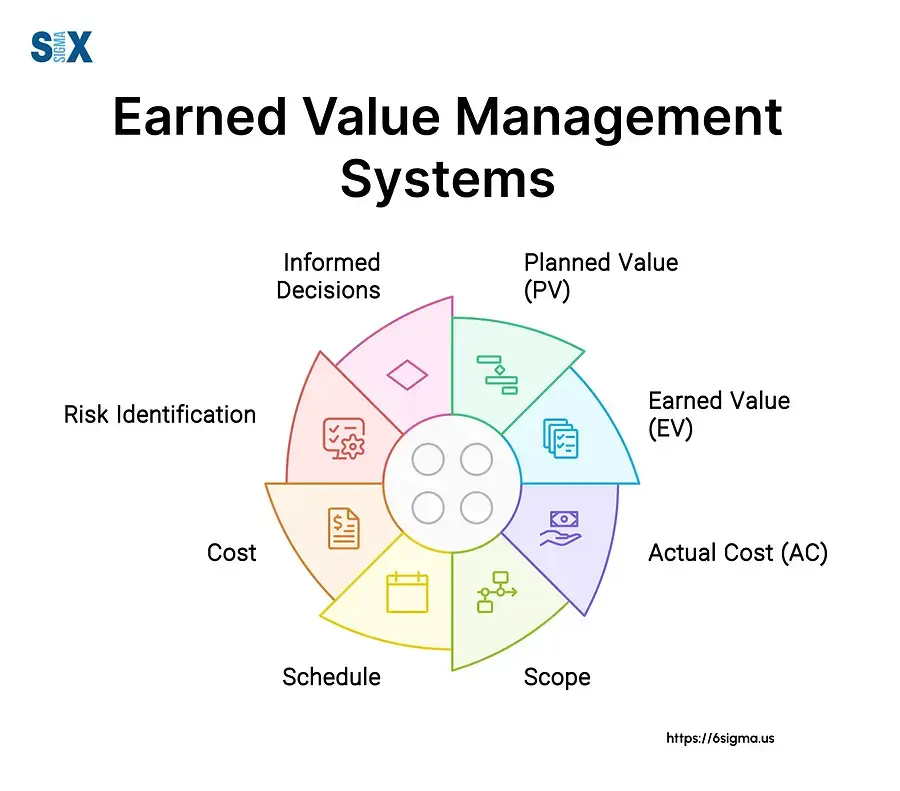
EVM (Earned Value Management) calculations and the project budget are impacted by the cause-effect relationship that exists between monitoring and procurement management. EVM is one of these diverse tools available for project managers to measure project progress and performance; a valuable tool that provides project managers with an actual display of project performance as opposed to the project budgeted plan (Chen, 2008). Budget is the overall itemized tabulated possible income and expenses of a project for a period, which needs to be planned and monitored, in order to prevent wasteful spending and allowing for immediate adaptation to the project's financial status (Duke University Financial Literacy, 2012). Best practices mandates project managers to report to management the interconnectivity and relationships between EVM calculations, the project's budget and the procurement plan, so that management can be informed regarding possible extra costs that may be required and other related control (Dutton, 2017).
When an organization engages an outside contractor or consultant to perform an entire or part of a project for them, such is called an independent contractor, and the process is referred to as procurement. On the other hand, if an organization hires someone to work for them within the organization, such would be referred to as laborer or employee. The laws governing the two kinds of workers are different and the difference between an employee and an external contractor is drawn from three angles - behavior, finances, and type of relationship (The National Center on Program Management and Fiscal Operations, 2013):
- Behavior: Employee's conducts, activities, and roles are controlled by the organization in which they work. On the other hand, an organization does not have control over the work environment or conducts of an external contractor. Unlike employees of an organization, external contractors do not laid-down principles as to how they should carry out their duties.
- Finances: The finances of an employee on the job may be controlled by the organization but does not have control over an external contractor's finance, the external contractor may have expenses that are not paid back by the organization. Such external contractor can work for other organizations at the same time.
- Type of Relationship: The types of relationship external contractors have with an organization is different from the relationship employees of that organization have with the organization. The external contractors do have some benefits that employees have and the time they have to carry out their contract is limited in time.
In case of labor, when EVM is calculated, the management will bear the burden of any cost overrun. Meanwhile in procurement, the external contractor who is contracted to perform the project or part of the project will bear the burden of any cost overrun in the course of the project process where the scope does not change (Ogunlana, 2003). You can learn more about EVM calculations and implementation from the reference below:
Wais, K. (2017). How to implement earned value. Retrieved from: https://www.projectsmart.co.uk/how-to-implement-earned-value.php

Dr. Kemi Olukayode is a project management professional based in New York specializing in infrastructure and organizational execution. She holds a doctorate degree in Project Management and PMP certification, currently managing complex projects at Alliance Energy & Development Group LLC. She is a Subject Matter Expert (SME) in construction crafts. With expertise in stakeholder coordination, construction development,…