A Woman in Corporate Veterinary Medicine: A Hospital Manager’s Perspective
Navigating Leadership, Resilience, and Mental Health in Veterinary Management

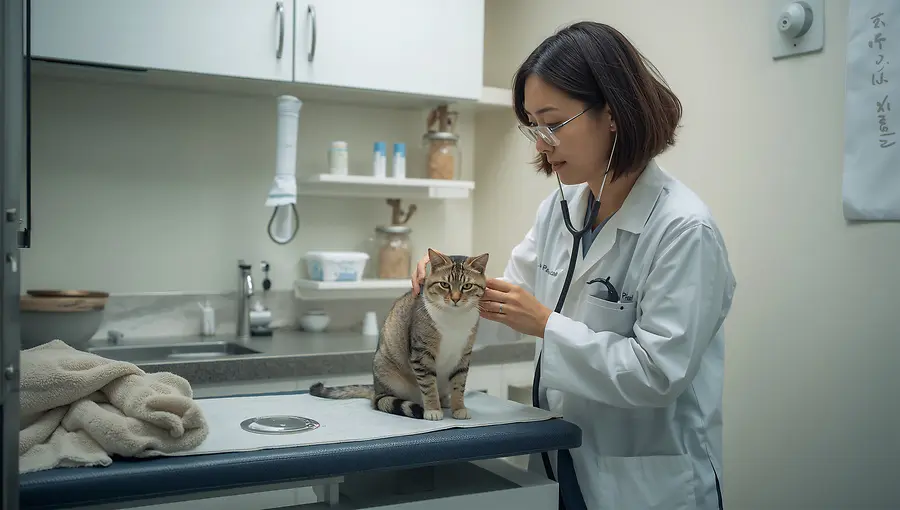
When people think about veterinary hospitals, they often picture doctors, receptionists, certified technicians, assistants, kennel attendants, and the adorable furry patients. Few think about the administrators working behind the scenes to keep everything running smoothly—or sometimes, running at all. As a female hospital manager, my journey up the business ladder has been rewarding, but it has also come with challenges that tested my resilience, confidence, and determination.
Proving Myself
Early in my career, I quickly learned that competence alone was not always enough to earn recognition. In conversations, I sometimes found my thoughts overlooked by male clients until they were repeated by a male doctor who stepped in to reinforce what I had already said. I felt pressure to prove myself repeatedly, often working longer hours and taking on additional responsibilities to demonstrate my commitment and capability. While many colleagues were supportive, there were moments when I sensed that leadership qualities were judged differently depending on who displayed them.
Balancing Professional Ambitions
Veterinary medicine is a demanding industry that operates around the clock, and leadership positions often require availability beyond traditional working hours. Balancing professional ambitions with personal responsibilities created another layer of difficulty. Like many women in management, I faced difficult decisions about how to allocate my time and energy. The expectation to excel both professionally and personally can be overwhelming, creating a constant struggle to maintain balance.
Over time, the internal stress became a pressure cooker because I did not have peers with whom I could share or discuss the realities of the job. The veterinary field experiences one of the highest rates of compassion fatigue and emotional burnout among all professions. I believe it is important to shed light on the fact that one of the most difficult aspects of my career has been managing my mental health while trying to meet the demands of leadership.
From the outside, career advancement often appears exciting and rewarding, but the reality can involve significant stress, self-doubt, and emotional exhaustion. The pressure to consistently perform at a high level while supporting staff, meeting organizational goals, and handling unexpected crises can take a substantial toll on a person's well-being.
Managing My Mental Health
Throughout my career, there were periods when I struggled with anxiety, depression, and burnout. Long hours, constant decision-making, and the responsibility of overseeing critical hospital operations often left little time for rest or self-care. I frequently felt that I needed to project confidence and stability, even during moments when I was overwhelmed. This created an internal conflict between maintaining a professional image and acknowledging my own need for support.
One of the challenges many leaders face is the stigma that can still surround mental health discussions in professional environments. There can be an unspoken expectation that leaders should always be resilient and composed. As a result, admitting to stress, anxiety, or emotional fatigue may feel risky. For a long time, I believed that asking for help might be perceived as a weakness rather than a healthy and responsible response to difficult circumstances.
Eventually, I realized that prioritizing mental health was essential not only for my own well-being but also for my effectiveness as a leader. Seeking support, establishing healthier boundaries, and learning to recognize the signs of burnout helped me become more sustainable in my role. I also discovered that open conversations about mental health can encourage others to seek help when they need it.
Mentorship and Finding My Path
I also realized that I was not alone. Mentorship played a significant role in my development, yet finding mentors who understood my experiences was not always easy. In the early stages of my career, I was fortunate to be supported by four amazing women who offered insight, experience, and understanding. Together, we became a force to be reckoned with and leaned heavily on one another.
Through the years, they have moved on to different positions, furthering their own careers and illustrating a path forward into the unknown. While we remain in touch to this day, I can honestly say that, as I continued in my career, seeking guidance required persistence and a willingness to build relationships across departments and professional networks.
Higher Levels of Management
As I moved into higher levels of management, the challenges evolved. Leadership often involves making difficult decisions regarding budgets, staffing, and patient care priorities. These choices can affect employees, patients and their families, and entire departments. Navigating such responsibilities while maintaining empathy and professionalism requires emotional strength that is rarely visible from the outside.
Some managers fell by the wayside because of these difficulties and because they were not provided with opportunities to grow and develop in their positions. I advocated for an annual conference budget for myself, as my managing doctor had always provided one before our hospital was acquired by a corporation. However, I have witnessed time and again that this is not standard practice. Many women, who would benefit from the tools and empowerment offered at conferences, are left to their own devices to navigate the ever-changing landscape of management.
Overcoming Assumptions About Leadership Styles
It doesn't end there. Another challenge has been overcoming assumptions about leadership styles. Women leaders are sometimes expected to be collaborative and accommodating, yet they may be criticized if they are perceived as too assertive. Striking the right balance can feel like navigating a constantly shifting set of expectations.
Through experience, I learned that effective leadership is not about conforming to stereotypes but about leading with authenticity, integrity, and consistency. I had to come to terms with who I was as a manager, rather than who others expected or wanted me to be.
Despite these obstacles, climbing the corporate ladder has been an immensely rewarding experience. I have had the opportunity to improve hospital operations, support talented healthcare professionals, and contribute to better patient outcomes. Each challenge strengthened my leadership skills and reinforced the importance of perseverance.
Peer Development Partner
One of the women with whom I began my career nominated me for a role within the corporation that I believe is vital to the future of the hospital manager position: Peer Development Partner. This program matches an experienced hospital manager with a new incoming manager to offer guidance and mentorship throughout the first six to twelve months of their career. I feel very passionate about the significance of this program and am overjoyed to play a part in supporting new managers in this incredible field.
I am excited to have the opportunity to share my experiences with others. I am currently preparing for a series of three-day sessions focused on the importance of the customer service representative in veterinary medicine and their influence on patient care and business success. These sessions will be held at a professional training center in September, October, and November.
I am also studying to take the Certified Veterinary Practice Manager exam in July. This prestigious certification recognizes an individual's expertise, leadership skills, and potential within the management side of veterinary medicine.
The Path Forward
Today, I am encouraged by the growing number of women entering leadership roles. Progress has been made, but there is still work to do to ensure that advancement opportunities are equitable and accessible to everyone.
My journey has taught me that success is rarely a straight path. It is built through persistence, continuous learning, and the courage to keep moving forward even when the climb becomes difficult.
The hardships were real, but so were the opportunities. Looking back, every obstacle I faced helped shape the leader I am today, and I would not change any of it.


