
Before You Call Her Lazy: ADHD in Black Girls and Women
October is ADHD Awareness Month. This article looks at how ADHD can be missed in Black girls and women when their struggles are mistaken for laziness, attitude, anxiety, or simply having too much on their plate.


October is ADHD Awareness Month, and I want to bring attention to how ADHD can show up in Black girls and women.
When people hear ADHD, they may picture a child who cannot sit still, talks constantly, or keeps getting into trouble at school. But ADHD does not always look that way.
She may sit quietly in class and still have trouble paying attention. She may daydream, lose things, forget assignments, or wait until the last minute to complete her work. She may know the answer but have trouble getting her thoughts together.
Because she is not disrupting the classroom, her struggles may go unnoticed.
Instead of asking if she needs help, people may say she is lazy, careless, has an attitude, or is not trying hard enough. Sometimes, the focus is placed on correcting her behavior without anyone asking what may be behind it.
Making good grades does not always mean everything is fine, either. She may spend hours completing something that takes someone else much less time. She may depend on reminders, routines, or help from others to keep herself on track.
She may also become good at hiding what is going on.
As she gets older, the responsibilities increase. There is work, family, appointments, bills, paperwork, and everyday life to manage. The same struggles that were missed in childhood may become harder to hide.
She may forget appointments, put off important tasks, start several things without finishing them, or feel overwhelmed when there is too much going on. She may walk into a room and forget why she went in there. She may read the same page several times because her mind keeps wandering.
After a while, she may start blaming herself.
She may believe she is disorganized, irresponsible, or not doing enough. Other people may see her handling a lot and assume she is fine. They may not see how much energy it takes for her to keep everything from falling apart.
There is also a lot of pressure to be strong and keep going. That can make it harder to admit that something is not right or to ask for help.
Sometimes, ADHD is missed because the person is treated for anxiety or depression. Those concerns may be present, but ADHD could also be part of what is happening. That is why it is important for someone to receive a full evaluation instead of trying to figure everything out on their own.
Not everyone who forgets things or has trouble focusing has ADHD. Stress, lack of sleep, trauma, depression, anxiety, and medical concerns can cause similar problems.
Social media can help people become aware of possible signs, but a video cannot diagnose ADHD. It may be the reason someone decides to ask questions, but a qualified professional should complete the evaluation.
Getting help is not about making excuses. It is about understanding what is going on and finding support that works. That support may include counseling, medication, routines, written reminders, or breaking larger tasks into smaller steps.
Before calling her lazy, careless, difficult, or unmotivated, take a moment to ask what else may be going on.
She may not need more criticism. She may need someone to listen, take her concerns seriously, and help her find the right support.
ADHD Resources
CHADD – National Resource Center on ADHD: Provides nationwide information about ADHD, treatment, support, and living with ADHD at chadd.org.
NC 211: North Carolina residents can dial 211 or 888-892-1162 for free, confidential help locating healthcare, mental-health services, and other resources in their community. Resources are also available at nc211.org.
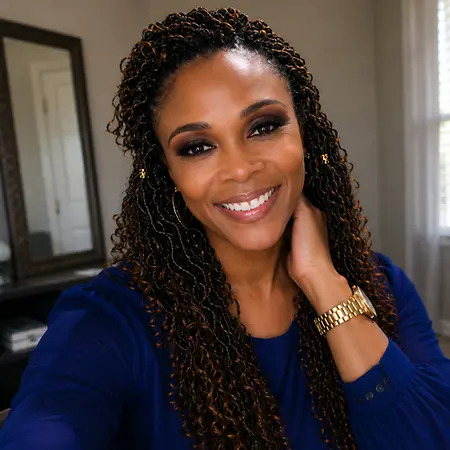
Jennifer Moore,Th.D is a Qualified Mental Health Professional and Certified Peer Support Specialist dedicated to mental health advocacy and empowering individuals to overcome challenges. With a passion for service since 2005, Dr. Moore manages a caseload of 27 clients, provides forensic peer support in local jails, and provides supervision, training, and mentorship to peer support specialists. She is also a member…





