Benefits of Manual Lymphatic Drainage Massage
Discover how this gentle therapy stimulates healing, reduces pain, and promotes deep relaxation through the body's natural detoxification system.

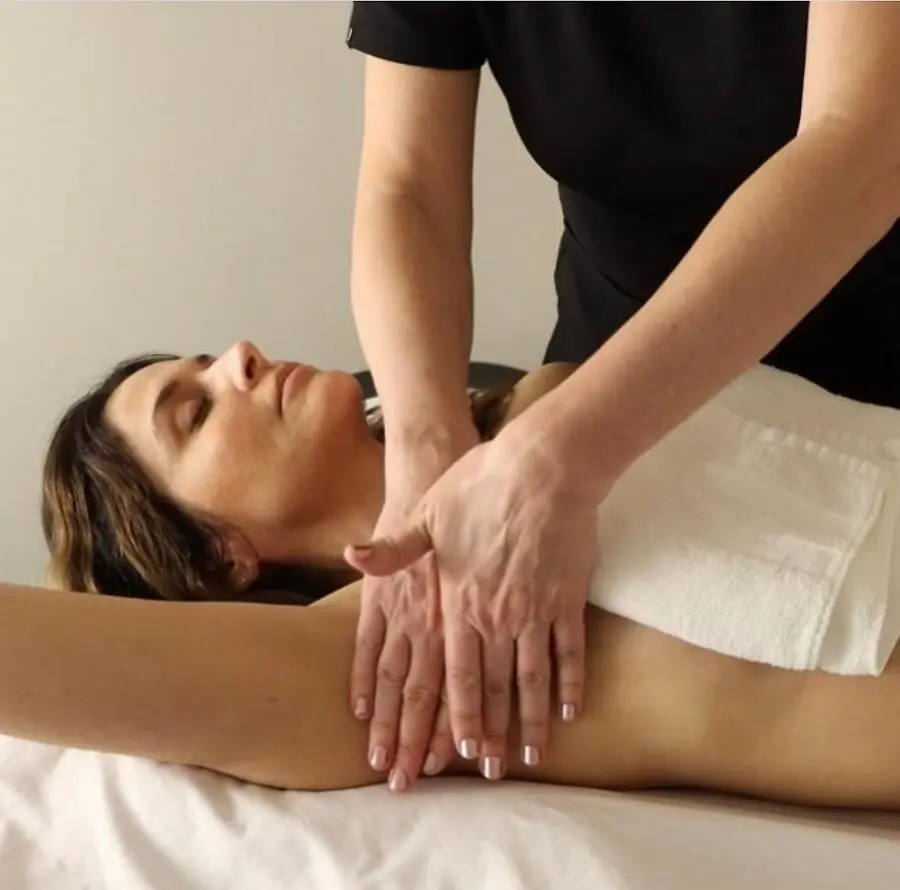
Manual Lymphatic Drainage: A Gentle Path to Healing and Wellness
In our pursuit of health and well-being, many people focus on diet and exercise. However, one often-overlooked therapy—manual lymphatic drainage—can offer benefits that are both restorative and deeply relaxing. In this article, I will explain what manual lymphatic drainage (MLD) massage is, how it supports healing and pain relief, how it helps reduce stress, and what to look for in a quality lymphatic drainage session.
The lymphatic system is a vital part of the body’s immune system. It helps transport lymph—a clear fluid containing white blood cells—throughout the body to remove toxins and waste. When this system becomes sluggish or blocked, it can lead to various health issues, including swelling, pain, and compromised immunity. Lymphatic drainage is a gentle, non-invasive therapy designed to stimulate and support the lymphatic system’s natural function. The light, rhythmic strokes mimic the natural muscle movements required by the body to move lymph, without the need for rigorous, high-intensity activity.
MLD has gained recognition for its post-surgical benefits. After surgical procedures such as liposuction or breast augmentation, swelling and bruising are common. MLD can significantly reduce these symptoms by enhancing lymph flow. It aids in the removal of excess fluid, thereby accelerating the healing process. Patients often experience less discomfort and a quicker return to normal activities.
For those dealing with chronic pain or chronic inflammation, manual lymphatic drainage can be a gentle and effective way to manage discomfort. By reducing fluid retention, this therapy may help alleviate pain, improve joint mobility, and enhance overall well-being.
Whether fluid buildup is acute or chronic, lymphatic massage can be beneficial in reducing stress for many people. MLD is believed to engage the vagus nerve, helping activate the parasympathetic nervous system and shifting the body out of “fight or flight” mode and into a “rest and digest” state—the condition needed for healing and recovery.
When seeking a lymphatic drainage session, it is important to choose a practitioner with specialized training in this technique. They should have a deep understanding of the lymphatic system and know how to apply the appropriate pressure and strokes to maximize its benefits. Each individual’s needs may differ, and a skilled therapist will tailor the session to address specific concerns and areas of the body, ensuring a personalized and effective experience.
Lymphatic massage is not like traditional deep tissue or Swedish massage. A proper session should be very gentle, using light, rhythmic movements that stimulate lymph flow without causing discomfort. It should never be painful.
Hydration is essential both before and after a lymphatic drainage session. Proper hydration supports the elimination of toxins and waste released during the massage. Your therapist should also provide guidance on aftercare, including post-massage activities and self-care recommendations. In my experience, clients often report feeling “lighter” afterward, as if a weight has been lifted.
Manual lymphatic drainage massage offers a natural path to accelerated healing and pain relief. Whether you are recovering from surgery, seeking relief from chronic pain, or looking for a way to manage stress, this gentle therapy can make a significant difference in overall well-being. When choosing a lymphatic drainage session, ensure you find a certified practitioner who uses a gentle technique and provides a personalized experience. With the right approach, you can support your body in achieving a healthier, more balanced state.