
Beyond the Mirror: Why Culturally Relevant Mentoring Matters in Corporate America
How Cultural Connection and Strategic Relationships Shape Career Success for Professionals from Underrepresented Backgrounds


Talent gets you in the door. Relationships decide how far you go once you're inside. Ask almost any senior leader how they got there, and they'll name a few people: the colleague who explained the unwritten rules, the boss who spoke up when a big opportunity came along, and the executive who put their own name on the line. For professionals from underrepresented backgrounds, those relationships can make or break a career.
I know this gap firsthand. Early in my career, I couldn't count on mentorship. When it did show up, I was grateful, but it was hard to connect my experiences to my mentor's, and even harder to use their advice without feeling like I wasn't being true to myself. I wanted guidance. I didn't want to succeed by becoming someone else.
Today, as the Director of Coaching and Mentoring for ALPFA Boston, I get to help close that gap for others. Our goal is to give people access to a pool of mentors who guide them through their careers and provide a safe place to connect on a culturally aligned level. Access to these relationships isn't equal. And when mentoring does happen, it often misses something that matters a great deal: the cultural context in which a person lives, works, and leads. That's where culturally relevant mentoring comes in.
What Culturally Relevant Mentoring Really Means
Culturally relevant mentoring means guidance that sees the whole person: their heritage, family expectations, community ties, language, faith, and lived experience. It doesn't ask anyone to leave those things at the door. People from different backgrounds often move through the same workplace in very different ways, and a good mentor knows that.
A few examples of what that looks like:
- If you're the first in your family to work in a corporate setting, nobody at the dinner table taught you about office politics, negotiating pay, or building a personal brand. You're learning it all in real time.
- If your culture values humility and teamwork, you may get overlooked in a workplace that rewards self-promotion, even when your work is just as strong.
- If you're balancing obligations to extended family or community, decisions about relocating, traveling, or working long hours can look very different from how they look to a peer without those responsibilities.
- If you code-switch every day, adjusting your language, style, and humor to fit in, you're carrying extra work that your colleagues rarely have to think about.
A mentor who gets this doesn't just hand over generic career advice. They help you translate your strengths into language the organization recognizes, and they help the organization see what you bring. It goes both ways. And it should never require you to become less of yourself.
Three Roles, Three Different Jobs
People often use mentor, advocate, and sponsor interchangeably. They don't. Each does a different job, and you need all three.
Mentors give guidance. They share what they've learned, answer your questions, help you think through decisions, and tell you the truth when you need to hear it. A mentor talks with you. This is often where culture matters most, because a mentor who has walked a similar path can put words to challenges you've felt but never quite named.
Advocates speak well of you when you're not in the room. They amplify your work, set the record straight when people overlook your contributions, and make sure your name comes up. An advocate talks about you, in your favor.
Sponsors use their influence to open doors. They're usually senior leaders with a seat at the table where decisions about promotions, high-visibility assignments, and succession are made. A sponsor does more than advise or praise. They put their reputation on the line and push for your advancement. A sponsor talks for you.
This distinction matters because so many professionals from underrepresented groups are over-mentored and under-sponsored. They get plenty of encouragement and advice, but not enough active backing to move their careers forward. Advice can't replace access to decision-makers.
Why Diversity Within Your Circle Matters
It's natural to gravitate toward people who look like us or share our background, and that connection can be powerful. A mentor who shares your cultural experience can offer a depth of understanding and a sense of belonging that's hard to replace. Seeing someone who made it and understands what the journey cost can be deeply affirming.
But a circle made up of one type of person is limited. Power in corporate America still isn't evenly distributed, and the people who hold the keys to the biggest opportunities may not share your background. So this isn't a choice between cultural connection and broader access. You need both.
Here's what a diverse circle gives you:
- A broader view. Different people see different parts of the landscape. One mentor might help you lead authentically within your cultural identity, while another shows you how decisions really get made in the executive suite.
- Wider access. Sponsors from different backgrounds, functions, and levels open up opportunities and networks you wouldn't reach on your own.
- Stronger credibility. When advocates across the organization speak to your impact, your reputation isn't confined to one circle.
- Better preparation for leadership. Leading in a diverse workforce and marketplace takes fluency across differences, and you build that by learning from people unlike yourself.
- Resilience. No one person can meet every professional need. With a varied circle, you're never depending on a single relationship.
Think of it as your own personal board of directors: people with different strengths, perspectives, and levels of influence, not an echo chamber of familiar faces.
The Cost of Getting It Wrong
When mentoring ignores culture, it can quietly do damage. Advice like "speak up more," "be more assertive," or "just network more" might sound fine in the abstract, but it can land badly in context. It can leave the mentee believing the problem is their own style when the real issue may be a workplace that defines success too narrowly.
It also reinforces the pressure to assimilate. When people feel they have to mute their identity to be taken seriously, they pay for it in energy, engagement, and, eventually, whether they stay. Organizations pay too, through lost talent, narrower thinking, and leadership pipelines that don't reflect the customers and communities they serve.
When mentoring is culturally relevant, the benefits compound. Mentees gain confidence, stay longer, and take on bigger challenges. Then they become mentors, advocates, and sponsors for the next generation. Representation at the top doesn't happen by accident. It grows out of deliberate relationships.
What Professionals Can Do
If you're building your own circle, start with intention:
- Map your network. Who guides you? Who speaks up for you? Who has the power to open doors? Find the gaps, especially in sponsorship.
- Look for both affinity and range. Find mentors who understand your cultural background, and also leaders outside your community who control access to key opportunities.
- Make your goals visible. Advocates and sponsors can't support ambitions they don't know about. Be specific about the roles, projects, and growth you want.
- Deliver, then ask. Sponsors invest in people whose results they can stand behind. Let your work make the case, then ask for the backing you've earned.
- Give back early. You don't have to be a senior executive to mentor someone. Reaching back while you climb makes the whole community stronger.
What Organizations Should Do
Individuals shouldn't have to carry this alone. Companies that are serious about developing diverse leaders should:
- Pair thoughtfully. Match mentors and mentees by goals and context, not just seniority or convenience, and train mentors in cultural awareness and inclusive coaching.
- Move from mentorship to sponsorship. Hold senior leaders accountable for sponsoring talent from underrepresented groups, and track the results: promotions, assignments, and retention.
- Support employee resource groups and professional associations. These communities offer cultural connection, peer support, and pathways into leadership networks.
- Reward inclusive leadership. Recognize and measure leaders who develop diverse talent, not just the ones who hit financial targets.
- Look at informal access. Notice who gets invited to the dinner, the golf outing, or the strategy conversation, and widen the circle on purpose.
A Closing Thought
Careers are rarely built alone. They're built on conversations, endorsements, and other people's willingness to take a chance on you. Culturally relevant mentoring makes sure those relationships honor who you are. A diverse circle of mentors, advocates, and sponsors makes sure you have the access to go where you're capable of going.
If you're a professional, build your circle deliberately: find the people who understand your story and the people who can open the next door. If you lead an organization, make this kind of support the norm, not the exception. When both happen, we get more than better careers. We get stronger companies, richer leadership, and a corporate America that actually looks like the people it serves.
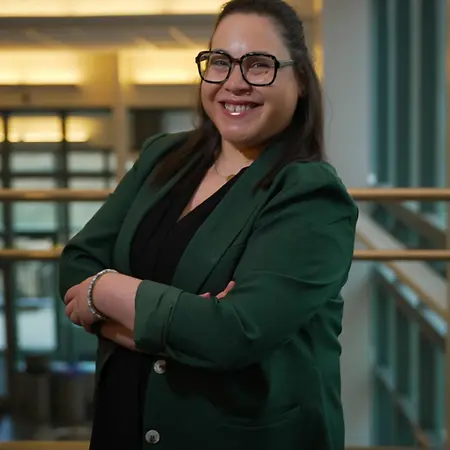
Ivonne-Marie Mendoza is an Experience Owner at Citizens Private Wealth with 17+ years in financial services. She leads CRM and technology initiatives to support colleagues who provide guidance to high-net-worth and ultra-high-net-worth clients while serving as Director of Coaching for ALPFA Boston and Co-Lead for Program Management for LatinxMBA. Recognized as a Latino Leaders Magazine Rising Star and ALPFA Latina…





