
Changing My Accent to Fit in
From hiding my accent to celebrating my voice: A journey of self-acceptance and authentic leadership.

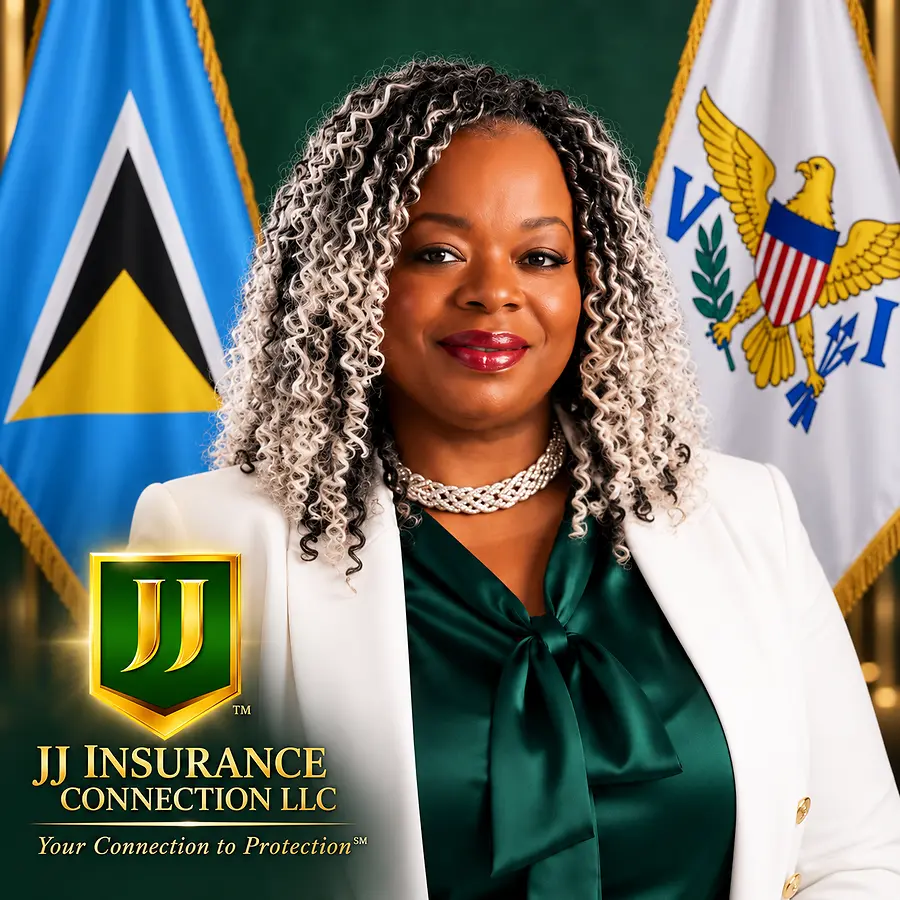
There was a time when I believed success required sounding like everyone else.
Born in St. Croix, U.S. Virgin Islands, and raised in St. Lucia, I arrived in the United States carrying more than luggage and dreams. I carried the rhythm of a Caribbean accent, a voice shaped by my culture, family, and identity.
Early in my professional journey, I quickly learned that sounding different often meant being viewed differently. In meetings, job interviews, and professional conversations, I became increasingly aware of how people reacted when I spoke. Some asked me to repeat myself. Others focused more on my accent than on my ideas. Whether real or perceived, I began to believe that my voice was something that needed fixing.
So, like many immigrants and professionals from diverse backgrounds, I tried to adapt.
I softened certain words. I changed pronunciations. I listened carefully to how others spoke and attempted to mirror their speech patterns. Little by little, I modified my accent to fit what I thought professionalism was supposed to sound like. My goal was simple: blend in, be accepted, and create opportunities for myself and my family.
What I did not realize at the time was that every adjustment carried a cost.
For years, I walked a delicate line between who I was and who I felt I needed to become. While my professional confidence grew, there were moments when I felt disconnected from a piece of my identity. The very accent I was trying to hide represented my heritage, my upbringing, and the journey that shaped me.
Over time, however, something changed.
As I became more involved in community service, cultural advocacy, and public leadership, I met countless individuals who shared similar experiences. They were immigrants, professionals, students, and entrepreneurs who had all struggled with the idea that success required leaving part of themselves behind.
Through my work in human rights, community engagement, cultural preservation, and civic leadership, I discovered something far more valuable than acceptance: belonging. Serving as Chairwoman of the New Britain Human Rights and Opportunities Commission, participating in cultural initiatives, and helping diverse communities find their voice taught me that inclusion is not about conformity. It is about creating spaces where people can show up as their authentic selves.
Today, I no longer see my accent as something to overcome.
I see it as evidence of resilience.
It tells the story of a young girl from the Caribbean who crossed borders, adapted to new environments, overcame barriers, built a career, and found her place in public service and community leadership. It reminds me that diversity is not merely about representation. It is about recognizing the value of every voice, every experience, and every perspective.
My journey has come full circle.
The thing I once worked so hard to conceal has become a bridge connecting me to others who feel unseen, unheard, or different. It allows me to advocate for those navigating similar challenges and to encourage future generations to embrace what makes them unique.
Professional success should never require erasing your identity.
If there is one lesson I have learned, it is this: your accent is not a limitation. Your story is not a disadvantage. The qualities that make you different often become the very qualities that enable you to lead.
Today, I speak with confidence, not because my accent has disappeared, but because I no longer believe it has to.
And in finding peace with my own voice, I have found purpose in helping others find theirs.
Jessica Angelo-Julien is an accomplished insurance professional with nearly two decades of industry experience and expertise in administration and brokerage services. Since 2015, she has served as Insurance Administrator at Carabetta Management and founded JJ Insurance Connection LLC in 2023. She holds an MBA and multiple insurance certifications. Beyond her career, she has been chair of New Britain's Board of Human…





