Engaged Aging
Discover how simple lifestyle choices can reduce dementia risk and enhance well-being at any age.

Engaged Aging: Grabbing the Aging Bull by the Horns!
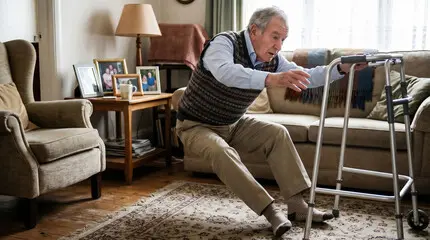
One of the greatest fears among those who are growing older is the fear of dependency. Our culture often honors independence, self-sufficiency, and the idea of "pulling yourself up by your bootstraps." However, the older we get, the more worn those proverbial bootstraps can become—and the harder it can be to pull ourselves up. For some, there may not even be boots to pull.
I would like to share a few simple—and even fun—ways you can support cognitive health and care for your body, regardless of your current level of ability. Anyone of any age can participate! We are not going to worry about boots or bootstraps. Instead, our focus will be on positivity and hope, because there is plenty to embrace.
The Lifestyle People Choose
According to McKnight's Long-Term Care News, a recent Australian study involving more than 10,000 individuals aged 70 and older followed participants over a 10-year period and found that lifestyle choices had a significant impact on dementia risk. The study, published in JAMA Network Open, examined how lifestyle behaviors influence aging and suggested that there are pathways for meaningfully reducing dementia risk.
Here are the findings in a nutshell:
- Cognitively stimulating activities such as taking classes, writing, completing puzzles, journaling, and using computers may lower dementia risk by as much as 11%.
- Puzzles and games alone may lower risk by approximately 9%.
- Arts, crafts, music, listening to music, and reading may reduce cognitive decline risk by approximately 17%.
These outcomes were connected to some form of mental stimulation. To me, this sounds like enjoyment—not a chore!
Six Lifestyle Factors
Another study published in the January 10 issue of the Journal of Affective Disorders identified six lifestyle factors associated with reducing dementia risk among older adults. These factors included:
- Physical exercise
- Social interaction
- Sleep quality
- Leisure activities
- Smoking status
- Alcohol consumption
In this two-year study, participants received a score based on each lifestyle factor and were encouraged to adopt positive changes across five or six healthy behaviors. Researchers followed up after two years.
One important finding was that maintaining five or six lifestyle changes was challenging, while adopting fewer changes was more achievable and sustainable.
The significant takeaway was that for each healthy activity participants successfully incorporated, their scores improved by at least one point. That one-point increase was associated with an 18% reduction in the risk of early cognitive decline.
That is a meaningful benefit from changing just one element of a healthy lifestyle.
It Is Not Too Late
If you are aging (and who isn't? We are all mortal), it is never too late to improve your cognitive and physical health.
The MIND diet, combined with physical activity and social engagement, has shown promise in supporting cognitive health. According to Medical News Today, individuals over the age of 60 may experience cardiovascular benefits by walking approximately 6,000 to 9,000 steps per day, rather than focusing solely on the traditional goal of 10,000 steps.
Daily deep breathing exercises have also been shown to reduce resting blood pressure and support reductions in stress and anxiety, according to research from the National Institutes of Health. Additionally, research on mindfulness and meditation suggests positive effects on both physical and mental well-being.
The moral of this story is simple: there are meaningful steps we can take to support our health and well-being as we age. Aging is neither bleak nor predetermined.
Not only can we make positive changes, but many of these activities are engaging, creative, and enjoyable. They can bring connection, purpose, and even fun into our lives.
At A Sandy Place, our commitment is to support a holistic lifestyle and a path forward that enriches and strengthens our journey—one that brings us joy, hope, and well-being.
As always,
Here's to your wellness!
Sandra L. (Sandy) Place
sandy@asandyplace.com


