Finding your strengths
How a Dismissive Comment Became the Catalyst for Finding My True Calling

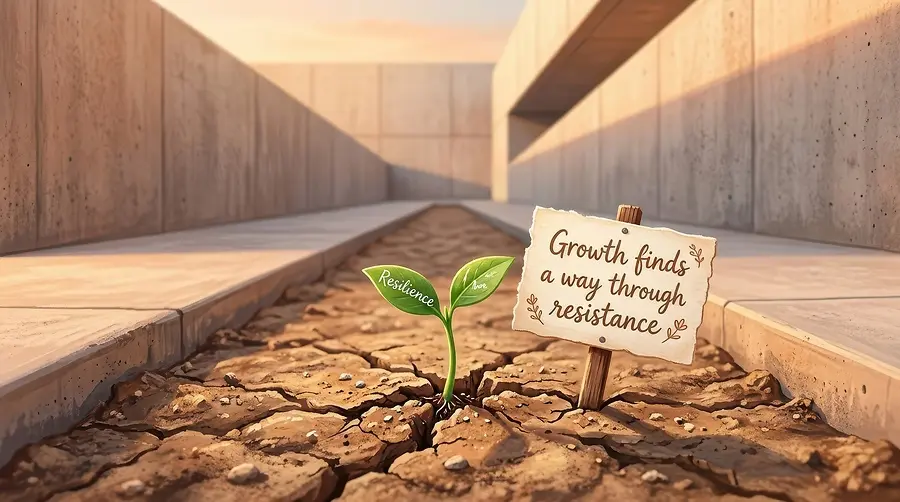
Sometimes the Wrong Advice Leads You to the Right Calling
In 1983, I sat down with my high school guidance counselor to talk about college.
"What do you want to study?" he asked.
"Engineering," I replied without hesitation.
He looked at me and said, "Sweetheart, I think you should be a schoolteacher."
I was stunned.
Then I was furious.
In those days, especially in my small town, women simply weren't expected to become engineers. I left that meeting convinced I had just experienced blatant sexism. Whether he intended it that way or not, his words lit a fire in me.
Every difficult engineering class became another reason to prove him wrong.
I earned my engineering degree and entered the workforce knowing one thing about myself: I loved solving technical problems, but I also loved working with people. I intentionally built a career that allowed me to do both.
Over time, my work evolved from engineering into quality assurance, process improvement, and eventually leading large-scale business transformation initiatives. My role wasn't just about redesigning processes—it was about helping people navigate change. I identified weak points, simplified complexity, built better ways of working, and helped employees and leaders move forward together.
It never felt like work I had to force.
It felt like work I was meant to do.
Then, forty years after that conversation with my guidance counselor, I retired.
As colleagues and friends reflected on my career, they all said remarkably similar things.
"You were an incredible teacher."
"You made complicated things simple."
"You helped people understand."
"You were a mentor."
I was humbled.
And honestly, I was surprised.
I had always thought of myself as an engineer and a transformation leader. I had never described myself as a teacher.
Yet, when I looked back, that's exactly what I'd been doing all along.
- Every transformation I led required teaching.
- Every process improvement required communication.
- Every successful change required helping people believe they could do something new.
Somewhere along the way, I stopped chasing titles because I realized something important: I didn't love talking about transformation—I loved leading it.
I found far more fulfillment in rolling up my sleeves, fixing broken systems, empowering teams, and watching people gain confidence than I ever did climbing another rung of the corporate ladder.
Ironically, my guidance counselor may have seen something in me that I couldn't see at seventeen.
He was wrong about the path.
But perhaps he wasn't entirely wrong about the gift.
I've learned that many of our greatest strengths don't reveal themselves early in our careers. They emerge over decades of doing work that energizes us, challenges us, and allows us to serve others.
As women leaders, we're often told who we should become. We spend years proving what we're capable of. But the most meaningful leadership happens when we stop trying to fit someone else's definition of success and start embracing the unique strengths we've been developing all along.
Today, those strengths allow me to help organizations navigate one of the biggest transformations of our time: AI.
Not by focusing on the technology first—but by helping leaders simplify complexity, redesign processes, and confidently guide their people through change.
Because the future doesn't need more AI experts.
It needs more leaders who know how to help people embrace what's next.


