Forgiving the Version of Me Who Was Just Trying to Survive
Learning to forgive yourself first—the hardest and most essential part of healing from trauma.

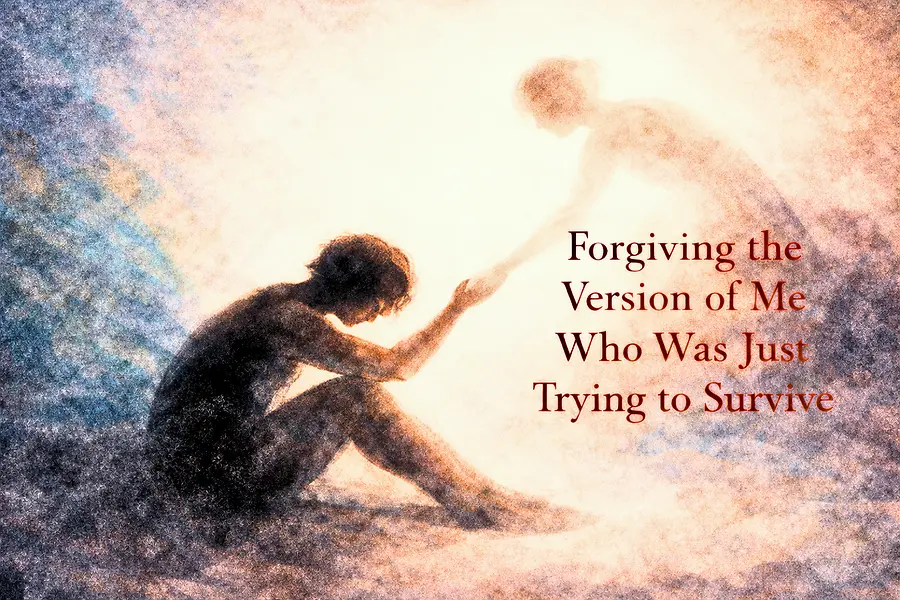
I want to share an article about PTSD, recovery, and something that doesn’t get talked about enough: forgiving yourself.
This part is the hardest for me. I’m still in it.
I struggle when old photos pop up on my phone. “Memories,” they’re called. But instead of nostalgia, they punch me in the chest. I see a version of myself who was broken. Angry. Sharp-edged. Surviving, but not living. I wish I could go back and redo those years. I wasn’t who I am today. I wasn’t properly medicated—because of stigma, because certain doctors wouldn’t listen, because asking for the right help felt shameful.
So instead of looking back fondly, I hurt. I cry. I cringe at how reactive I was. How mean I could be. How tired. How stuck.
I wish I had loved my kids differently in those years. I wish I had been stronger sooner. I wish I had pulled us out faster. I replay it all in my head, imagining some alternate timeline where I magically knew then what I know now.
But living there is a hindrance. It keeps you trapped.
This is where I started to realize that maybe I’m not alone in struggling with forgiveness. Because the way forgiveness is usually framed never quite worked for me. We’re often told that healing begins by forgiving the people who hurt us. Let go of the anger. Release the resentment. Move on.
But there’s a saying we hear all the time: you can’t expect someone else to love you if you don’t love yourself. I think the same applies to forgiveness.
For a long time, I hyper-focused my energy on trying to forgive others for their behavior. I thought that was the work. What no one ever told me is that forgiving the people who hurt you is incredibly difficult when you haven’t forgiven yourself first.
I was asking myself to offer grace outward while still holding shame inward.
That imbalance kept me stuck. I wasn’t failing at forgiveness. I was just starting in the wrong place.
As hard as it is, there comes a point where you have to tell yourself: I forgive you.
You were doing the best you could with the tools you had at the time. You did what you needed to do to survive. Yes, you wish it had happened sooner. Of course you do. But you did do it—and that took courage.
And as cliché as it sounds, those moments also played a role in shaping who I am now. Not in a romanticized way. Not in an “it all worked out” way. But in a real, uncomfortable way.
They taught me what I will never tolerate again. They sharpened my empathy. They made me fiercely protective of my children, my peace, and my boundaries.
I don’t celebrate what happened. I don’t excuse it. But I can acknowledge that surviving it changed me—and that the version of me standing here now exists because she endured what she did.
One day, when your children are adults, they will understand more than you think. They already love you now. Fully. As you are. That part matters more than we give ourselves credit for.
So soak that in—right now. Don’t let years pass and look back again wishing you had been more present, more gentle with yourself, more aware of how much love was already there.
Healing isn’t about erasing the past. Sometimes it’s about finally putting your arm around the version of yourself who didn’t know better yet and saying, I’ve got you now.
If you’re struggling with this too, you’re not weak. You’re human. And you’re allowed to forgive yourself first.
— Alia Zaidi
I do TED Talks and public speaking, and I’m always open to conversation and collaboration. Reach out to me at:
TheCometCrew@SpokaneInnerPeace.org


