How Well Do You Know Your History?
Exploring the rich civilizations and diverse nations that thrived in the Americas long before European contact.

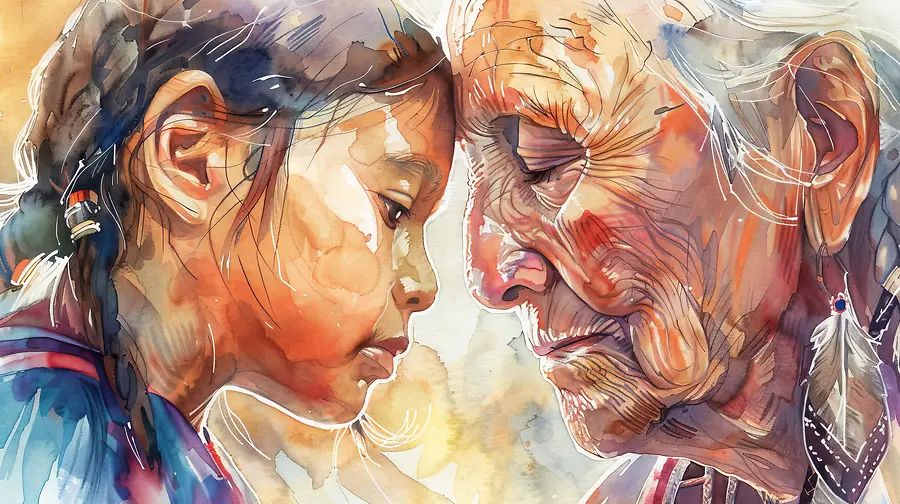
Millions of Indigenous people were living across the Americas long before Christopher Columbus; their ancestors had been on the continents for at least 15,000–20,000 years, and probably longer.
The First People in the Americas
The earliest known inhabitants are often called Paleo-Indians or the “First Americans,” hunter-gatherers who migrated from northeast Asia into North America, probably via the Bering Land Bridge and along the Pacific coast during the last Ice Age. These early groups spread over thousands of years into what are now Canada, the United States, Mexico, Central America, and South America, giving rise to the many Indigenous nations Europeans later encountered.
Major Civilizations Before Columbus
Long before 1492, there were large, complex societies with cities, governments, and trade networks.
In Mesoamerica (Mexico/Central America): The Olmec, Maya, Teotihuacán, Zapotec, and Mixtec developed advanced societies based on agriculture, particularly crops like maize.
In South America: Andean civilizations such as the Inca and their predecessors developed extensive road systems, terrace farming, and large imperial states in the Andes and along the Pacific coast.
In North America: Peoples such as the Mississippian culture (at Cahokia near present-day St. Louis), the Pueblo societies of the Southwest (including the Ancestral Puebloans/Anasazi, Mogollon, and Hohokam), and many others built large towns, mounds, irrigation systems, and extensive trade networks.
Indigenous Nations Across the Continent
By 1492, the Americas were home to hundreds of distinct Indigenous nations and language groups, including the ancestors of peoples now known as the Haudenosaunee (Iroquois), Cherokee, Navajo, Apache, Sioux (Lakota/Dakota), Hopi, Taíno, Maya, Nahua, Quechua, Aymara, and many more.
These groups had their own political systems, religions, technologies, and economies, and together may have numbered 60 million or more across the hemisphere.
Other Visitors Before Columbus
Norse (Viking) explorers from Greenland, led by figures such as Leif Erikson, reached and briefly settled parts of what is now Newfoundland, Canada, around the year 1000 at a site known as L’Anse aux Meadows.
There is ongoing research about possible earlier contacts (for example, potential Polynesian–South American contact), but the only widely accepted non-Indigenous visitors before Columbus were the Norse in the far North Atlantic.
Conclusion
Indigenous peoples—whose descendants are today’s Native Americans, First Nations, Inuit, and other Indigenous communities—were in the Americas for many thousands of years before Columbus ever arrived.