July is BIPOC Mental Health Awareness Month - National Minority Mental Health
Honoring Bebe Moore Campbell and Advocating for Equitable Mental Health Care in Underserved Communities

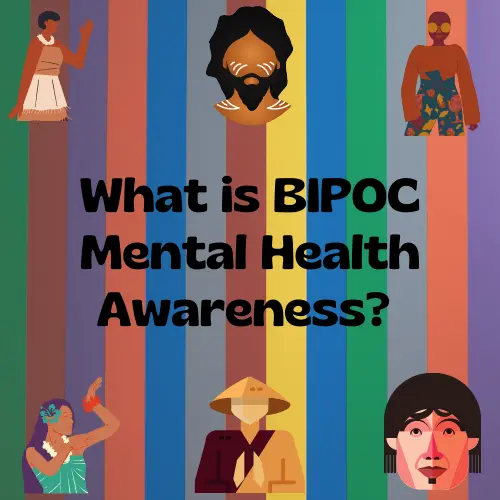
July is BIPOC Mental Health Awareness Month – National Minority Mental Health Awareness Month
Everyone deserves the right to have their mental health cared for. All people should be able to seek help and support within their communities. There are many underserved populations, and that needs to change.
We need to continue creating safe spaces for people and stepping up to support them through their challenges. Unfortunately, in areas affected by poverty, language barriers, and geographic isolation, we as a nation are not meeting the need. Raising awareness is vitally important because it brings these critical conversations to the forefront while advocating for more programs, resources, and support.
Bebe Moore Campbell National Minority Mental Health Awareness Month
Each July, Bebe Moore Campbell National Minority Mental Health Awareness Month is observed to honor Campbell's legacy and raise awareness of the mental health challenges faced by BIPOC communities.
Bebe Moore Campbell was an author, journalist, teacher, and mental health advocate who dedicated her life to addressing the mental health needs of minority communities while working to break the stigma surrounding mental illness.
In 2008, the U.S. House of Representatives officially designated July as Bebe Moore Campbell National Minority Mental Health Awareness Month, recognizing her efforts to improve access to mental health care for underserved populations.
Purpose and Significance
This month highlights the unique mental health challenges faced by Black, Indigenous, and People of Color (BIPOC), including cultural stigma, generational differences, limited access to culturally competent care, and language barriers.
It also emphasizes that mental health is not only about individual healing but also about community transformation—creating spaces where lived experiences guide others and cultural wisdom meets modern understanding.
Activities and Resources
Organizations such as the National Alliance on Mental Illness (NAMI) and Mental Health America (MHA) provide toolkits and programs that turn awareness into action. These include:
- Community Conversations: Safe spaces for sharing experiences, recognizing mental health challenges, and connecting with resources.
- BIPOC Mental Health Toolkits: Guidance for strengthening mental health through culturally relevant practices, building supportive connections, and advocating for mental health within local communities.
- Social Media Campaigns: Weekly and daily initiatives that amplify stories, reduce stigma, and encourage meaningful engagement.
The Legacy of Bebe Moore Campbell
Campbell co-founded NAMI Urban Los Angeles and used her platform to advocate for systemic change, helping ensure that minority communities receive equitable mental health support.
Her work continues to inspire initiatives focused on culturally responsive care, trauma-informed interventions, and community-based support, transforming awareness into meaningful action.
Observing this month encourages individuals and organizations to break the silence, foster open dialogue, and promote healing within BIPOC communities while honoring Campbell's vision that community is medicine and that change begins with a single conversation.
Take some time to learn more about what is happening in your own community. Ask questions. Be a voice. Push for change. We all must do our part and be a voice for those who too often go unheard.
Advocacy matters.
Embrace the Journey,
Lisa Zarcone
Please visit: www.lisazarcone.net