Late Payroll Tax Deposits and Risks
Understanding the Serious Consequences and Solutions for Timely Payroll Tax Compliance

Dr. Isabella Mae Niznik, MBA, CPS, SHRM-CP
US Payroll & Tax Manager
IMN Storyworks LLC
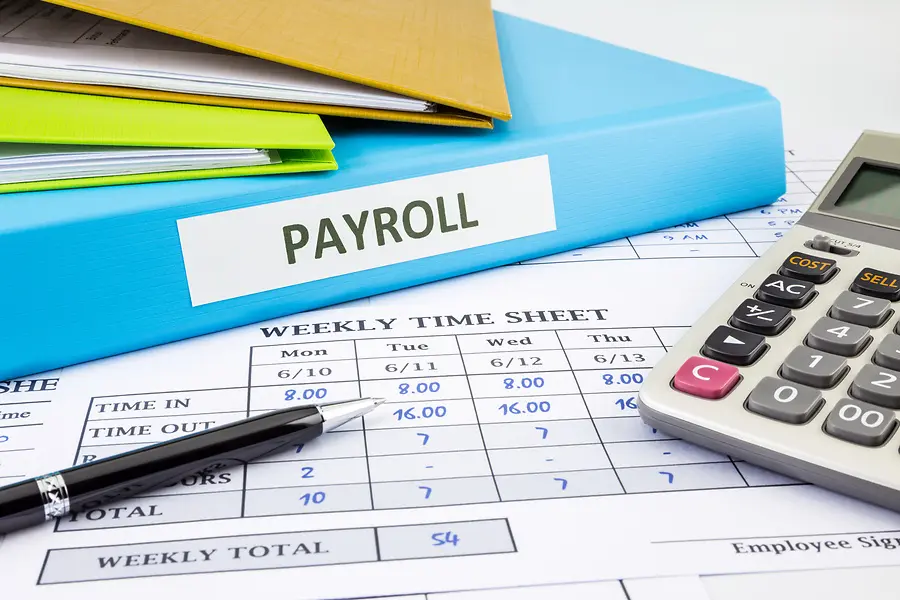
Impact of Late Payroll Tax Deposits on Companies and Officers
Impact on the Company
- Penalties and Interest: The IRS imposes Failure to Deposit (FTD) penalties ranging from 2% to 15% of the unpaid tax, depending on how late the deposit is. Interest also accrues on the unpaid amount from the due date until it is paid.
- Audits and Scrutiny: Repeated late payments can trigger IRS audits and increase scrutiny of payroll practices and filings. State agencies may also audit if state payroll taxes are late.
- Reputational Damage: Frequent failures to meet payroll tax obligations can harm the business's credibility with investors, lenders, and partners.
- Cash Flow Disruption: Penalties and interest increase costs, potentially straining the company's cash flow and financial stability.
Impact on Company Officers (Personal Liability)
- Trust Fund Recovery Penalty (TFRP): The IRS considers withheld payroll taxes as trust fund taxes. Under IRC §6672, officers and other responsible persons can be held personally liable for unpaid trust fund taxes.
- Personal Financial Risk: The IRS can assess the TFRP against responsible individuals and pursue collection from their personal assets, including bank accounts and wages.
- Criminal Charges (in Extreme Cases): In cases of willful nonpayment or fraud, responsible parties may face criminal charges, though this is typically reserved for severe misconduct.
Best Practices to Avoid Late Deposits
- Use a reliable payroll provider that automates and guarantees timely deposits.
- Set up reminders or calendar alerts for deposit due dates.
- Ensure internal controls and oversight are in place for payroll tax payments.
- If cash flow is tight, contact the IRS proactively to discuss payment plans.


