
Leadership Is Not About Recognition—It's About Responsibility
How Purpose, Empowerment, and Service Define True Leadership
Leadership Rooted in Purpose
When people ask me what has kept me in the domestic violence field for more than two decades, my answer is simple: purpose.
Leadership Is About Responsibility
Leadership has never been about titles, recognition, or being the loudest voice in the room. True leadership is about accepting responsibility for the lives entrusted to your care. It means showing up when the work is difficult, making decisions that often go unseen, and remaining committed even when progress feels slow.
Throughout my career, I have had the privilege of walking alongside survivors of domestic violence during some of the darkest moments of their lives. I have witnessed unimaginable pain, but I have also witnessed extraordinary courage. Those experiences have transformed my understanding of leadership.
One lesson stands above all others: people don't need someone to rescue them—they need someone who believes in their ability to rebuild. Empowerment, not dependency, creates lasting change.
Balancing Multiple Roles
As women leaders, we often carry multiple responsibilities. We are professionals, caregivers, mentors, advocates, entrepreneurs, daughters, mothers, wives, and friends. We are expected to lead with confidence while simultaneously demonstrating compassion. Balancing those roles is not always easy, but it is possible when we remain grounded in our values.
For me, that foundation is my faith. My relationship with Allah has taught me that leadership begins with humility. It reminds me that every opportunity to serve another person is a trust and that success is measured not simply by accomplishments, but by the lives we positively influence.
Embracing Innovation
Today's leaders must also be willing to embrace innovation. Domestic violence has changed dramatically over the last decade. Technology-facilitated abuse, digital stalking, financial exploitation, and coercive control require us to rethink how we support survivors. That reality inspired me to develop Hello Lilly, a survivor-centered technology platform designed to strengthen safety planning, securely preserve evidence, improve access to resources, and enhance collaboration among advocates, healthcare providers, law enforcement, and the courts.
Innovation should never replace compassion. Instead, it should enhance our ability to serve people with dignity, efficiency, and care.
Effective Leaders Ask Questions
One of the greatest misconceptions about leadership is that it is about having all the answers. In reality, effective leaders ask questions, listen carefully, continue learning, and remain willing to evolve. Every conversation presents an opportunity to grow, and every challenge presents an opportunity to improve the systems that serve others.
I also believe that collaboration is one of the most powerful forms of leadership. No individual or organization can solve complex social issues alone. Real progress happens when nonprofits, businesses, healthcare systems, educators, law enforcement, faith communities, and government agencies unite around a shared mission.
The Influence We Have
As women, we should never underestimate the influence we have. Leadership is not defined by the size of an organization or the number of people we supervise. It is defined by our willingness to use our gifts, experiences, and voices to make life better for someone else.
My hope for the next generation of women leaders is that they will lead with integrity, embrace innovation without losing compassion, and never forget that influence is earned through service.
The world does not simply need more leaders.
It needs leaders who are willing to serve with courage, humility, and purpose.
Because at the end of our careers, people will remember far less about what we accomplished than how we made them feel—and whether we left the world safer, stronger, and more hopeful than we found it.
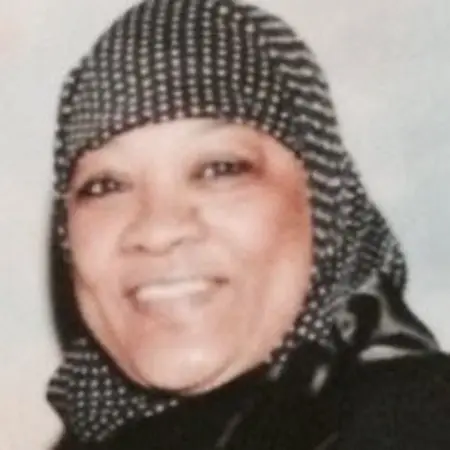
Sa'idah Sudan is a domestic violence specialist and nonprofit leader with over 20 years of experience advocating for survivors of trauma and assault. As founder and CEO of Baitul Hemayah, she established a nonprofit providing support to Muslim, immigrant, and non-Muslim women. She has trained law enforcement, prosecutors, and healthcare professionals nationwide while founding Hello Lilly, a technology platform…





