Leading with Spiritual Intelligence in Professional Spaces
The Inner Compass: How Intuition, Grounding, and Empathy Shape Authentic Professional Impact

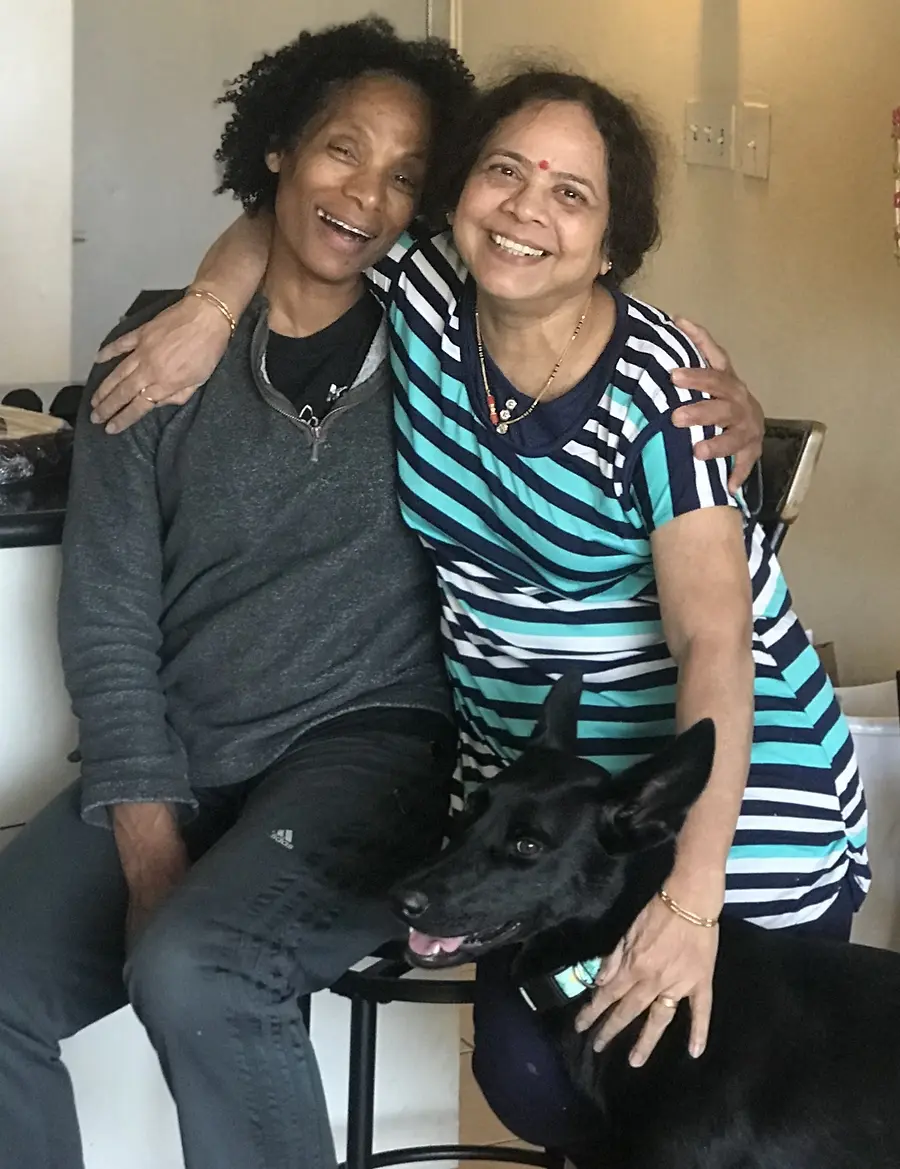
My career was, for two decades, a shrine to pure logic—a world of data solutions, efficiency, and corporate climbing in San Francisco. Then came the pothole moment: a job loss, a personal collapse, and a jarring return to Mumbai. It was only in this professional and personal void that I realized true leadership isn’t found in a spreadsheet but in a much older, deeper kind of intelligence—spiritual intelligence. This intelligence, for me, is grounded in two seemingly opposing forces: the practical wisdom of my mother and the profound, nurturing spirit I associate with Loretta.
The decision to move back to India, as detailed in my journey in my book About Life Choices & Potholes, was not a logical one.
It was a chaotic mix of loss, disillusionment, and what I called "instinct, divine intervention, or sheer exhaustion."
When the anchor of my tech identity was gone, the questions I faced—Where to go? How to start over?—were not business problems but existential ones. I was forced into practices of introspection and self-confrontation, like "mindfulness, fasting, and the revelations of hunger, self-care, or even the art of doing nothing," which the corporate world would label as "unproductive" but which became my clearest route to a new path.
This is where the wisdom I implicitly learned from my mother came into play.
Amid the chaos of moving back, she remained a "force of order," fussing over the practicalities of unpacking and ensuring I had proper clothes. Her wisdom, as I now understand it, is one of grounded discipline and necessity.
In professional reinvention, this translates to spiritual practice meeting pragmatism:
Discipline as Mindfulness: My mother’s insistence on order became my grounding principle for a new career. Spiritual intelligence isn't just a lofty feeling; it’s the discipline to be present, to face the "raw grief" and "unrelenting ache" instead of running from it. In leadership, this means showing up with an unwavering, grounded presence even when the business is in chaos.
Pragmatic Reinvention: The pivot from "applying at Google to selling holistic herbs on Amazon" and becoming a "data storyteller" is the pragmatic application of spiritual clarity. It was about taking the self I rediscovered—the girl who knew how to "laugh at absurdities"—and finding a viable, authentic way to market her skills.
The wisdom of Loretta—my friend, close confidante, and a figure with a maternal and divine presence—provides the essential counterbalance to the world of pure data and transactional efficiency I left behind. Her counsel—"soul-level survival"—is about an unwavering, non-judgmental presence that is crucial when facing the abyss of a life uprooted. In practice, this means understanding the genuine worth of connection.
It is the spiritual intelligence to discern between fleeting, karmic lessons and the true, soul-level survival that comes from a nurtured community, like the comfort of "canine companionship amidst family chaos," and the quiet certainty of self, even when the world is chaotic and discordant. Her lessons on divine presence provide the internal anchor needed to navigate the external "potholes" without being completely broken by them, turning instinct into a reliable inner compass for decisions—not just in life, but in genuine, empathetic leadership.
Intuition as Empathy: In the corporate labyrinth I left, intuition was often dismissed. Today, as a data storyteller, my intuition—"Loretta’s wisdom"—is my compass. It informs my leadership by connecting the data (the facts) to the story (the heart). It’s the ability to see the "breadcrumb trail" in a relationship and to choose a love that is "steady and unwavering," which translates to a leadership style that is deeply empathetic and committed to long-term, non-transactional connection.
Collective Survival: The core of my book is that life’s potholes make for a damn good story—a story we share. Spiritual leadership recognizes that success is not a zip code and that holding the light for others while struggling in the dark creates impact. It’s the wisdom that tells us to let go of the idea that "closure is overrated" and embrace the "possibility" of a new beginning, not just for ourselves but for our team.
Leading with spiritual intelligence is the integration of these two threads: the practical, grounding force of my mother’s order and the warm, humanizing perspective of Loretta’s spirit. It’s about accepting that the journey is never smooth, as the literal and figurative potholes of Mumbai prove, but that the chaos of the fall can be embraced, leading to a new, more authentic version of leadership.


