
Lived Experience Should Count for More Than Sharing Your Story
Why Lived Experience Must Shape Mental Health Solutions, Not Just Be Heard
October includes Mental Illness Awareness Week and World Mental Health Day. This year’s World Mental Health Day theme is “Lived Experiences Heard: Real Voices, Real Change.”
When I saw the theme, it made sense to me because people with lived experience are often asked to share their stories. They may speak at an event, sit on a panel, or talk about what they have been through. Once they finish, everyone thanks them for being brave.
But were they asked what needs to change?
That is the part we sometimes miss.
I work in mental health and peer support, and I believe lived experience brings something important to the table. Professional education and training matter, but there are some things a textbook cannot fully explain.
A person who has lived with depression understands how hard it can be to do everyday things when their mind is tired. Someone who has tried to find help without insurance understands how stressful that process can be. A person who has been hospitalized or involved with several different agencies may know where the gaps are because they have experienced them firsthand.
That does not mean one person can speak for everybody. People have different experiences, and what helped one person may not work for someone else. But that is exactly why we need more than one voice involved.
Sometimes a program looks good on paper, but it may not work well in real life. A person may not have transportation. They may not have a working phone. They may not understand the paperwork or know whom to call. They may have asked for help before and felt like no one listened.
The people using these services can help point out those problems. They should be included while programs and policies are being developed, not after all the decisions have already been made.
Listening to people with lived experience does not mean everyone has to agree on everything. It means we do not automatically dismiss someone because they do not have a certain degree, title, or position. Their experience is still knowledge.
We also have to be willing to hear the parts that make us uncomfortable. It is easy to listen when someone says a service helped them. It may be harder to listen when they say they felt judged, ignored, or misunderstood. Both stories matter.
During Mental Illness Awareness Week and World Mental Health Day, many people will post about ending stigma and raising awareness. Those things are important, but we cannot stop there.
If we really want change, people with lived experience need to be included in the conversation. They should be able to help shape the services they receive and speak honestly about what is working and what is not.
Their stories matter, but their ideas matter, too.
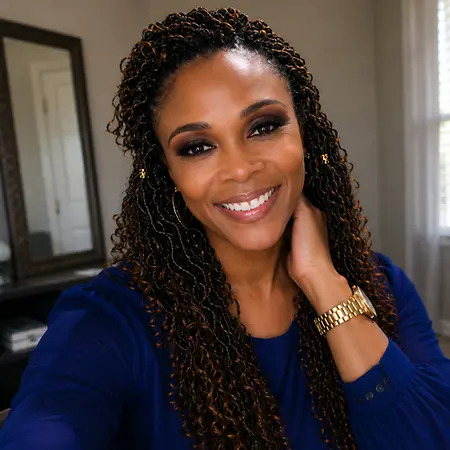
Jennifer Moore,Th.D is a Qualified Mental Health Professional and Certified Peer Support Specialist dedicated to mental health advocacy and empowering individuals to overcome challenges. With a passion for service since 2005, Dr. Moore manages a caseload of 27 clients, provides forensic peer support in local jails, and provides supervision, training, and mentorship to peer support specialists. She is also a member…





