
Maybe It Isn’t a People Problem
When repeated mistakes signal a system failure, not a people problem.


A mistake happens. Someone misses a step, enters something incorrectly, or misunderstands what was expected. The response can seem obvious: talk to the person, explain the error, retrain if needed, and move on.
Sometimes that is exactly the right response. People are responsible for their work. Clear expectations and accountability matter.
But what if the same mistake keeps happening?
What if it appears at the same point in a process, from different people, under similar conditions? At that moment, repeating the correction may be easier than asking a more uncomfortable question: What is this process making easy to get wrong?
Maybe a step depends on memory when a cue would help. Maybe a handoff leaves it unclear who owns what happens next. Maybe instructions make perfect sense to the people who designed them but not to the person expected to act.
It is tempting to treat each mistake as a separate event. Correct this person. Remind that person. Add another training. But if the correction changes nothing about the conditions surrounding the work, we may keep asking people to compensate for the same flaw.
This is not about excusing an error or removing accountability. It is about making accountability complete. People have responsibilities, and organizations are responsible for the conditions they design and ask people to work within.
The next time a mistake repeats, pause before making the person the whole explanation. Ask whether the issue is a knowledge gap, an unclear expectation, a faulty handoff, a confusing tool, or something else in the process. Then listen closely. The answer may reveal more than another round of retraining.
Maybe it isn't a people problem.
Before we correct the person, check the process. Error-proof the process, not the people.
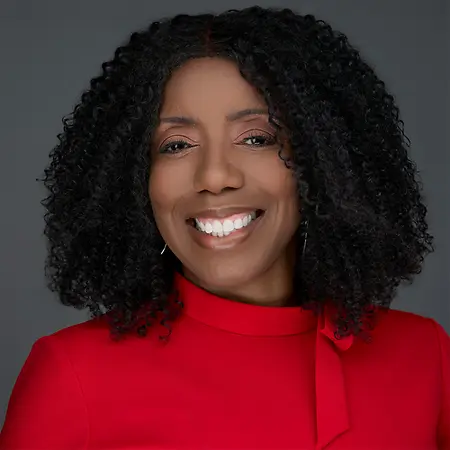
Michele B. Thomas is a public-sector leader and strategist with more than 25 years of experience advancing food and nutrition assistance programs and strengthening the systems that connect individuals and families to essential resources. As Food and Nutrition Assistance Manager for the Commonwealth of Virginia, she works at the intersection of policy, program administration, innovation, and community engagement,…





