
Moving Forward, Through Mindfulness
From Corporate Burnout to Mindful Leadership: A Journey of Healing and Transformation


From my perspective, working for corporations for thirty-eight years has shifted my mindset into a better space. Growing up, my family taught me a way of living that I never understood. As a young lady, I was taught to find a man, get married, have kids, and become the housewife I was meant to be. My mom, who did work, also took care of the home. She was always busy doing something, so my memories of my mom are sparse.
My dad, who decided to work for the city and county of Denver until he retired at 55 years old, took care of us. My mom, who traveled for work, went to school, and never really sat down much at home, showed me how a strong woman could handle it all and never truly ask for help. For me, growing up in that environment was a blessing, but it was also a struggle to see how much work she was really doing behind the scenes.
My parents, who never divorced, have been married for 50+ years, so the dynamics of what I learned shaped me into who I became. I was taught at a young age how a woman should act and what the expectations were for how to live my life. I was taught not to challenge authority or voice my opinion, as my opinion did not matter, even though I was also taught to speak my mind. My life was built on confusion from the beginning, as I was taught one way but shown another way to survive.
My mom’s constant drive to sustain her career and maintain the household taught me that being a strong woman meant striving for perfection, and nothing less would be accepted by the masses. The constant push to be the best at all I did was exhausting and left me drained, but I pushed forward even when I felt I could no longer see straight. The constant running around never gave me time to reflect, and my overthinking caused me to sink into a deep depression that I lived with for years.
The stigma of mental illness was worse than it is now. I know it is hard to imagine, but being open about our differences was not accepted by the world. As a teenager, I struggled to fit into the mold that was expected of me, and I turned to a life of running the streets as I started my adult life. From the age of eighteen until I got pregnant with my oldest child, I was more interested in partying and being free than in taking responsibility for my life.
The risky behaviors I displayed became what I was known for, and it felt like my family turned their backs on me in my time of need. When I turned twenty years old, I got pregnant with my first child. At that moment in my life, I realized my life was no longer about me; I had a child to raise. Despite the negative judgments from my family, I decided to straighten out my life and go back to school to graduate from high school.
At the time, I was living with my child’s father, who, unfortunately, was not a grown man, and our relationship took a dark turn into domestic violence. While I was working two jobs to support our child, my son’s dad was staying home and partying. I would work all day, come home, clean the house, pay the bills, and take care of my child. Eventually, our relationship fizzled out, and I was left to be a single mother with a three-year-old.
Struggling to survive and keep my head above water, I found my first husband, whom I thought was my knight in shining armor. He took care of me, bought me flowers, and was very charming, to say the least. After we got married, I went back to college, had my second child, and, in the midst of starting my career, my husband went to prison because of a crack addiction. This left me to become a single mother again, but this time, I had some education and two small children.
As I completed my bachelor’s degree and worked full-time, I raised my kids. I stepped into a role I never imagined I would have to take on: being both mom and dad. I struggled to keep moving forward. However, I did move forward and continued going to school for my MBA while working full-time and raising my children. The pressure to succeed was intense, and at times, it felt unbearable, but I had two young children who needed me to support them.
With little emotional support from my family, I strived every day to work as hard as I could. The constant stress of being the best so I would not lose my job was a weight I carried with me every day. The amount of pressure I had to handle to succeed was crushing my soul. When my second husband came around, I thought I would have some support, only to struggle with another relationship that was not serving me.
While trying to build my career and dealing with a toxic personal life and the toxic environments I encountered in the corporate world, my life always seemed as though it was spinning out of control. When my second husband left during COVID, I finally hit my stride and obtained a six-figure job in the telecommunications industry, only to learn some hard lessons. I needed to finally heal my trauma because my attitude was holding me back.
As I began the healing process, I decided I wanted to be a life coach. I earned seven life coaching certificates and healed my trauma on my own through pure determination to become a better person. As I began to grow, I realized the pain I had suffered all my life was due to the poor decisions I was making in my personal life. I was always motivated at work, and I always worked hard, but my attitude was not always the best. I had to take responsibility for my actions and realize that I was an amazing leader when I was focused, but when I had too much on my plate, my attitude came out because of my stress.
While striving to be the best, I was not always aware of my actions because my mind was going 100% of the time. I never took the time to relax or take a break; I just kept going because that was what I was taught to do. When my attitude tanked, my team’s attitude would tank, too, and it was hard for my teams to follow my leadership because I was burned out and did not see how my attitude was affecting the people around me.
After COVID, I lost my six-figure job because I let my attitude slip, and it cost me my livelihood. I couldn’t find a job, so I took everything off my résumé and started my life as a cashier in a convenience store. It was a humbling experience that I embraced, and I turned my mindset around because I needed to drop my ego and realize I didn’t know all that I thought I knew. All the years of experience and education meant nothing in this new world. I still had to support my family, so I worked seven days a week for a year just to sustain my lifestyle.
After my first year, I went for an assistant manager position because I decided it was time to embrace the lessons I needed to learn to become a better leader. I had leadership skills from my years of experience, but I knew I had not approached my career properly, and it was time for a change. As I started to research and learn more about my spiritual journey, I realized I was put on this path so I could teach others how to avoid the mistakes I had made.
My research over the years made me realize I had lived in toxic environments because I didn’t understand that what I was projecting out to the world was what I was receiving back from the people around me. We all made mistakes because we did not know better, and now the world has changed, so we need to change as well.
The world around us is screaming at us to make changes in the workplace and recognize our toxic habits. Being compassionate and understanding costs us nothing, but ignoring how people feel causes chaos in the workplace. I finally stepped away from corporations because, no matter how hard I tried to show people how their poor behaviors affected others, we were still seen as numbers, not people with opinions. These companies did not value us the way they should.
How do I know? I realized that all these years, I had been fighting a systemic problem, one that we don’t notice when we are participating in the problems of this world. Businesses need to learn to treat their employees with respect and value their time and skill sets. Many managers feel superior to their employees, and I have had many who have told me they are superior to me. I am sorry, not sorry, but no one is superior to anyone else. We are all valuable, regardless of our titles in this life.
No one understands the struggles we have faced to get where we are unless we take the time to explain them, and no one at work seemed to understand the struggles I faced, nor did they care. All people see is the position you hold, and they judge you by your title, which is not necessarily who you are at your core. My skill set is extensive, and I worked hard to become the woman I am, but the companies I worked for seemed to see the hard work I did and then had to find an issue, so they referred to my personality as a problem. After all I survived and how far I have come in correcting my attitude, that felt like a slap in the face. However, did the companies ever care about how that made my personal progress stall? No, they did not, because the bottom line is money, and finding issues with employees saves the company money on bonuses and raises.
Upper management has a false sense of control, and companies have allowed managers to treat their employees poorly without repercussions because the job gets done and the numbers are being met. However, have we noticed how we affect our employees? We see it all the time: employee burnout, low retention rates, and employees who do not feel valued. Morale has become an issue, and companies are now having one person do the jobs of multiple people. What we truly need is to change the dynamics in business by raising the vibrations of this world.
How do we change the dynamics? By taking a moment to understand our employees, their struggles, and how we can assist them in growing personally and professionally. Taking the time to hear our employees’ concerns can go a long way toward helping them sustain positive mindsets. Not caring about our employees’ mental health is a problem we have faced in the past. We should not let this trend continue.
When our employees are not mentally healthy, they can start to become physically ill as well. Do we care? Valuable employees are hard to retain when they feel devalued by insensitive bosses who don’t see the damage they do to their employees through their toxic behavior. Mental illness is real, mental abuse is real, and we need to take these issues more seriously. The way we talk to each other matters more than we sometimes want to admit.
The business I am starting is designed to teach people why “Managing More Mindfully” is important for all of us. Mindfulness means living in the present, not the past. We really need to bring people into the present by showing them a better way. Leadership is not about control; great leadership is about empowering people to work as a team and come up with solutions together. Good leadership does not single people out or make them feel unimportant or unseen. Leadership is not about controlling people; it is about guiding them toward a new way of thinking. When we show compassion for others, people respect us more. When we treat people like numbers, we not only hurt them, but we also lose valuable people.
Healthy competition is one thing, but pitting people against each other to survive is not healthy. Not recognizing how valuable people are is a downfall, and it hurts people more than we sometimes realize. As a community, we need to do better at building each other up and not leaving people behind because they are struggling. Great leaders teach people how to do better, be better, and succeed; they don’t drag people down for their own agendas.
As a leader in this world, I want to teach to the best of my ability. What is the best I have to offer? My education, combined with my life experience and the knowledge I have gained by taking the time to study life, not just live it. My spiritual view of life has given me a better understanding of the world around me. I have learned that kindness, compassion, and love go further in this world than negativity and criticism. We can frame criticism as constructive, but I have not seen constructive criticism used properly. If we learn to coach rather than criticize, we can do good for the people around us. Changing our mindsets and the way we approach our lives teaches people a more productive way of living and helps others in their time of need.
The world has changed a lot in the fifty-three years I have been alive. It is time for us to recognize that the world we once knew is not the world we now live in. People are expressing themselves in different ways and standing up for what they believe in. If companies don’t adapt to those changes, who will help them run their businesses? Be better leaders, teach each other better, support each other, and make the changes necessary to help each other thrive. I am here to help others if they need me. Together, we can make a difference; divided, we fail. Living more mindfully is part of emotional intelligence, and it teaches us to address issues in a more loving and kind way.
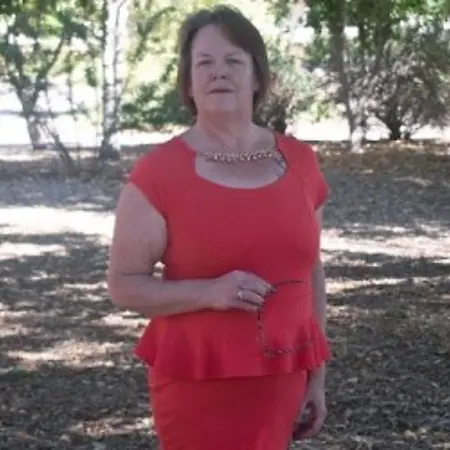
Rochelle is the founder of Managing More Mindfully, a mindfulness education and life coaching business built on over 20 years of professional experience working for corporations. Rochelle holds a Bachelors in IT and an MBA. She serves as a Mindfulness coach guiding individuals through their personal growth journey. Drawing from overcoming homelessness and depression. As a single mother and grandmother, Rochelle…





