New Credit Score Rules Could Open the Door for More Homebuyers
Federal Housing Administration Opens Doors to Homeownership with New Credit Scoring Models

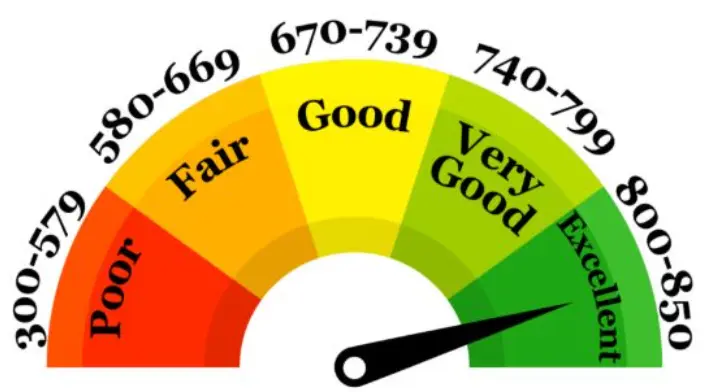
A major shift is underway in the mortgage industry—and it could make homeownership more accessible for millions of Americans.
Federal housing agencies have announced that the Federal Housing Administration (FHA) will now allow an additional credit scoring model alongside traditional models used by lenders. This move aligns the FHA with mortgage giants Fannie Mae and Freddie Mac, signaling a broader transformation in how borrowers are evaluated.
What’s Changing?
For decades, mortgage lending has relied heavily on older FICO-based scoring systems. Now, lenders will be able to use newer models like VantageScore 4.0 and FICO 10T, giving them more flexibility in assessing a borrower’s creditworthiness.
This marks the first significant update to credit scoring standards in years—and it’s a major development.
Why This Matters
The new scoring models go beyond traditional credit factors. Instead of focusing primarily on credit cards and loans, they can also consider:
- Rent payment history
- Utility and telecom payments
- Recent credit behavior trends
These additional data points provide a more complete financial picture, especially for borrowers who may not have an extensive credit history but consistently pay their bills on time.
A Win for First-Time and Underserved Buyers
One of the biggest impacts of this change is expanded access to financing. Millions of potential buyers who may have been overlooked under older scoring models could now qualify for a mortgage.
Industry estimates suggest these updates could make a significant number of new borrowers eligible by recognizing responsible financial behaviors that previously were not factored into lending decisions.
This is especially important for:
- First-time homebuyers
- Renters without extensive credit histories
- Underserved communities
More Competition, Lower Costs
Allowing multiple credit scoring models also introduces greater competition into the system. Previously, lenders had limited options when evaluating credit, often relying on a narrow set of scoring methods.
With more options available:
- Lenders may reduce costs associated with credit reporting
- Borrowers could benefit from more competitive loan pricing
- The mortgage process may become more flexible overall
What This Means for You
If you’re thinking about buying a home, this change could work in your favor—but it’s not a free pass.
Strong financial habits still matter:
- Pay bills on time
- Keep credit balances low
- Avoid unnecessary debt
The new models simply give lenders a broader lens—not a looser standard.
The Bottom Line
This update represents a long-overdue modernization of the mortgage system. By expanding how creditworthiness is measured, the FHA and other housing agencies are creating new opportunities for buyers who were previously left out.
While it won’t solve affordability challenges overnight, it’s a meaningful step toward a more inclusive housing market—one that could help more people turn homeownership into reality.


